Calabaza squash, also known as West Indian pumpkin, is a tropical squash that belongs to the Cucurbita family. It is native to the West Indies and Central and South America but has become popular in tropical and subtropical climates worldwide due to its adaptability and robust growth. The calabaza squash plant is a vigorous vine that spreads across the ground or can be trained to climb supports, making it versatile in garden design.
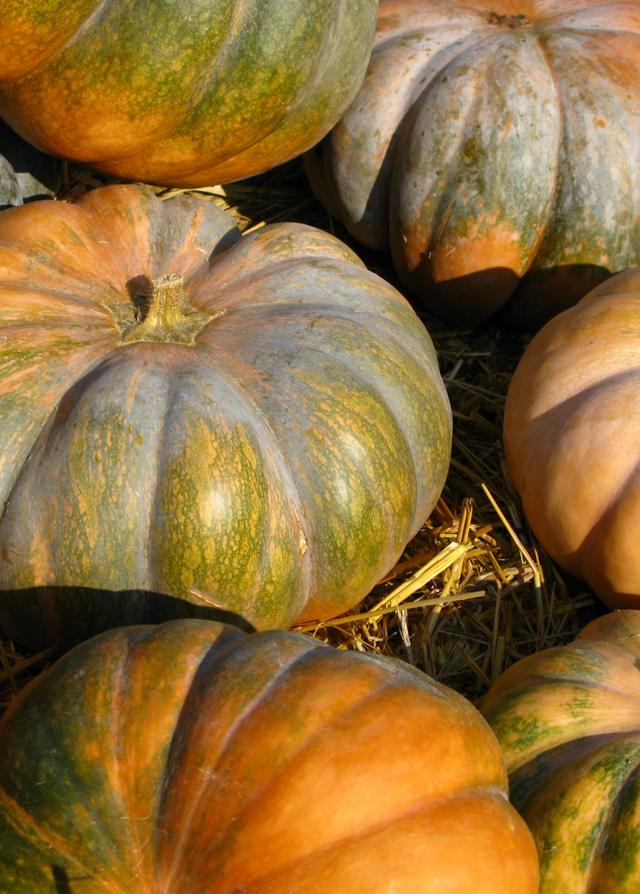
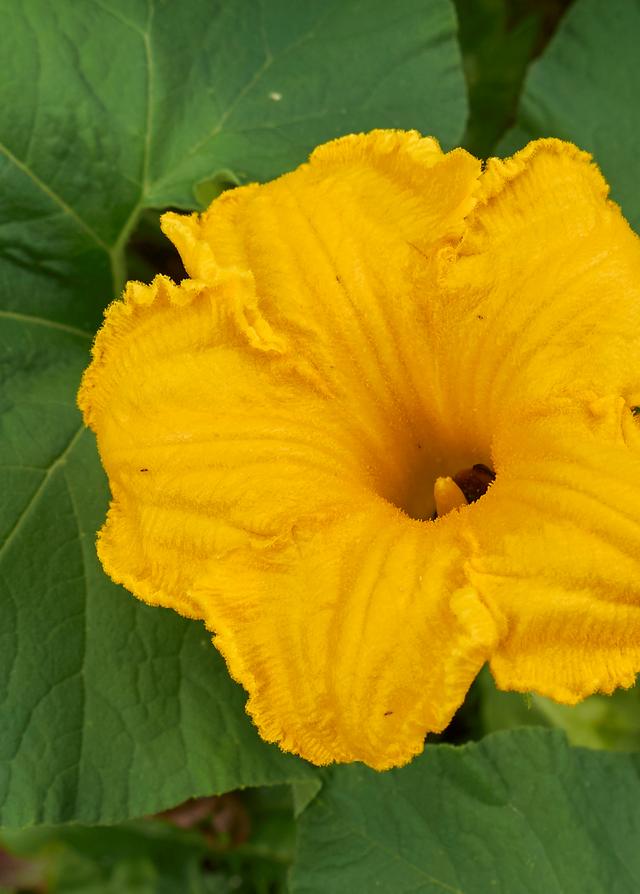
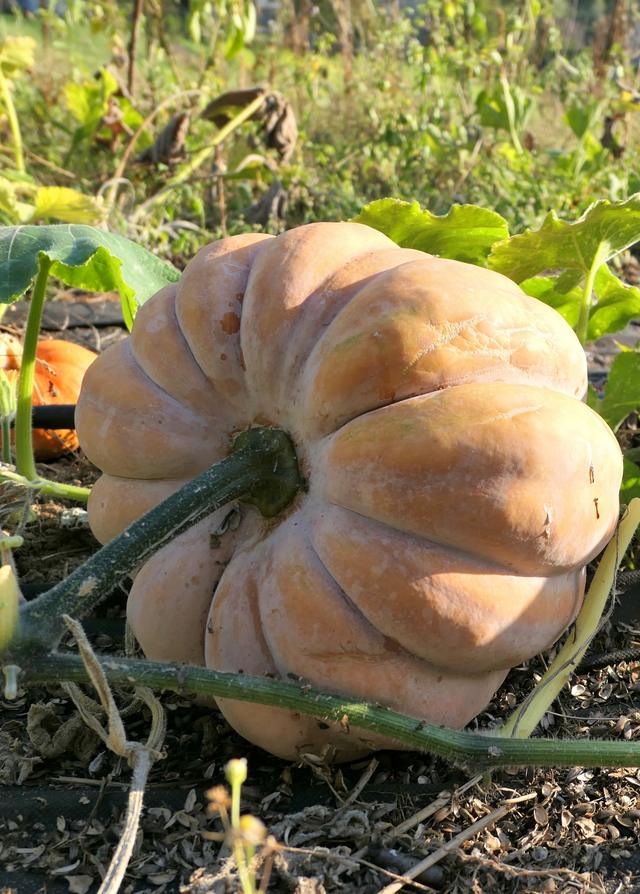
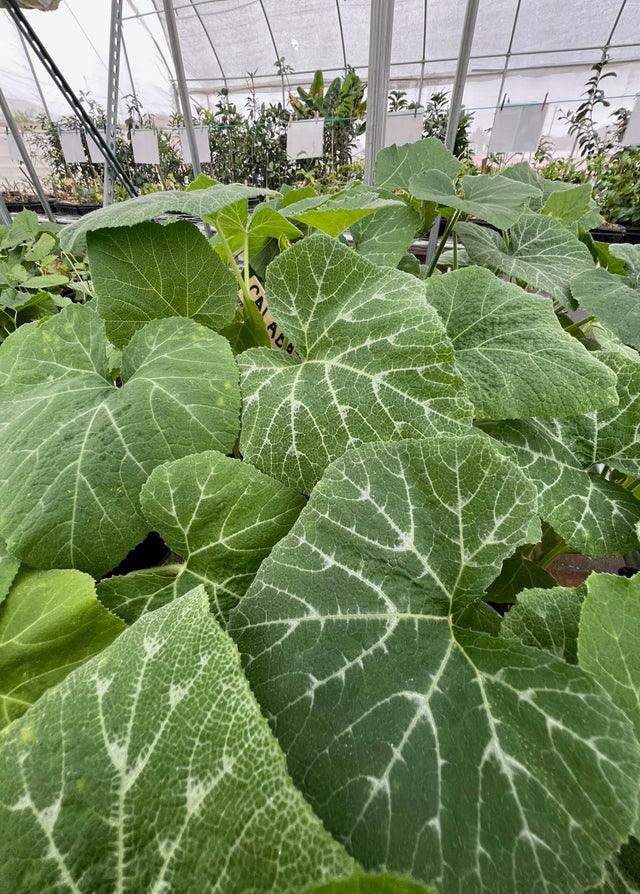
The plant produces large, broad leaves that are heart-shaped and slightly hairy, providing a lush green backdrop in the garden. Its flowers are bright yellow and quite large, attracting pollinators such as bees. The fruits of the calabaza squash are highly variable in shape and size but typically have a rounded, slightly ribbed structure. Their color can range from a deep green to a vibrant orange or a mixture of the two, often with smooth or slightly bumpy skin.
Calabaza squash is prized for its sweet, orange to yellow flesh, which is thicker and denser than that of other squashes, making it ideal for soups, stews, and desserts. The flesh is not only flavorful but also rich in vitamins A and C, along with fiber and potassium. The vines are hardy and resistant to many pests and diseases, although they thrive best in well-drained soil and full sun. This squash matures in about 95 to 110 days after planting, depending on the climate and growing conditions.