Buy One Get One 50% OFF! Add two qualifying varieties + code CITRUSBOGO at checkout.
Common Names: Calamondin, Calamansi, Philippine Lime, Panama Orange Family: Rutaceae Origin: Southeast Asia (particularly the Philippines)
The Calamondin (Citrus × Citrofortunella microcarpa) is a unique and versatile citrus hybrid, cherished for its small, tangy fruits and ornamental beauty. A cross between a kumquat and a mandarin orange, this compact citrus tree is a favorite in both culinary and ornamental gardens. Known as Calamansi in the Philippines, where it is widely used in cooking, this plant is ideal for container gardening and makes a stunning addition to patios, gardens, or even indoor spaces.
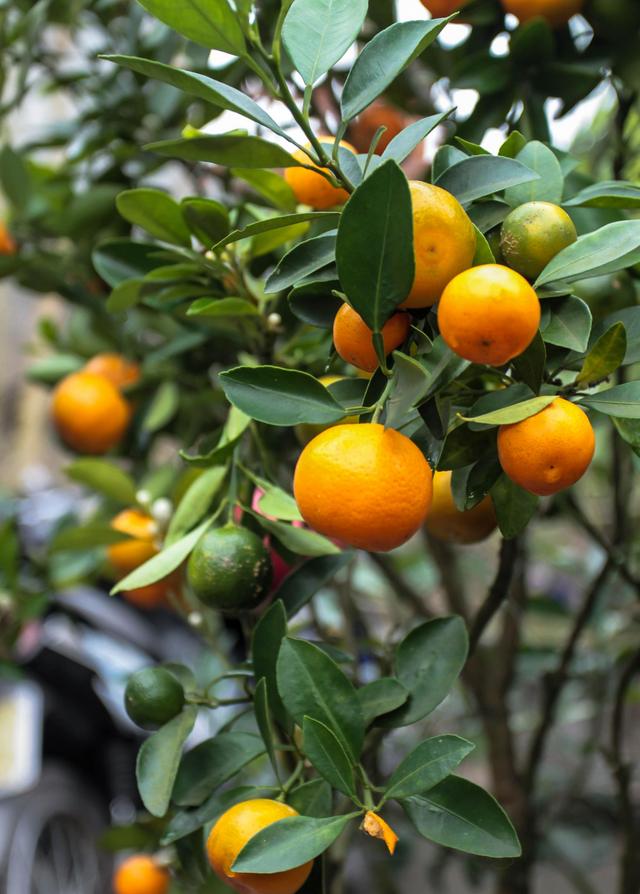
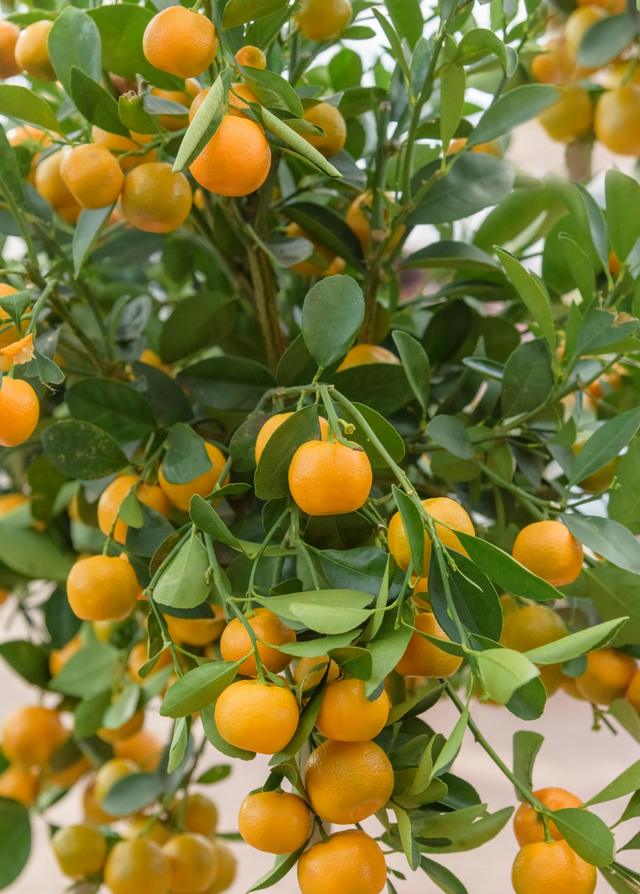
Leaves: The Calamondin tree has glossy, dark green leaves that are dense and evergreen, providing year-round beauty. The foliage has a slightly aromatic quality, adding a fragrant touch to your garden or home.
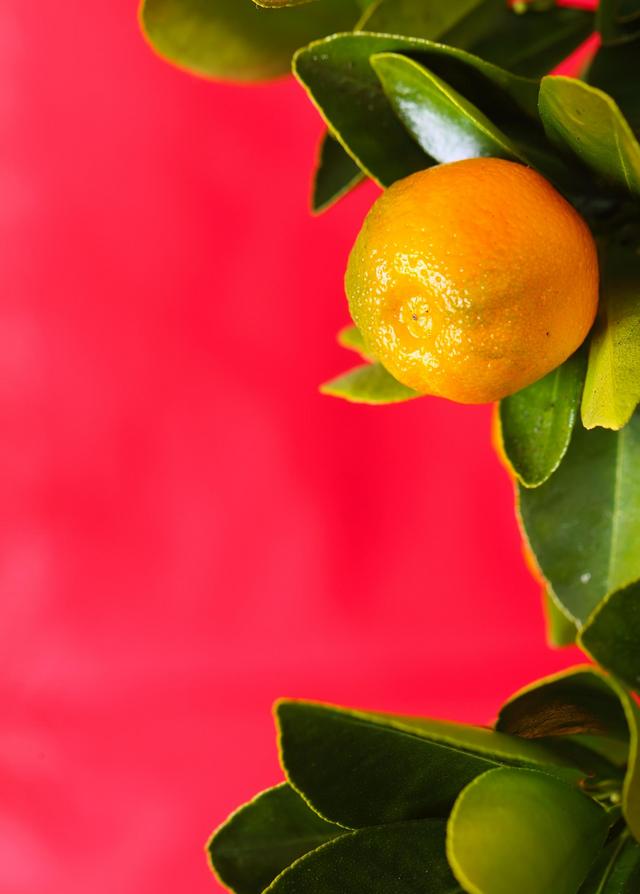
Fruits: The small, round fruits of the Calamondin are about the size of a large marble, with a thin, smooth skin that turns bright orange when fully ripe. The flesh is juicy and highly acidic, with a flavor similar to a tart lime. The fruit is packed with seeds and is commonly used in cooking, as a garnish, or for making refreshing drinks and preserves. The entire fruit, including the skin, can be used, adding a tangy zest to dishes.
Uses: Calamondin fruits are extremely versatile in the kitchen. They are widely used in Southeast Asian cuisine, particularly in Filipino dishes, as a souring agent or flavor enhancer. The juice is perfect for marinades, salad dressings, sauces, and refreshing beverages. The fruit can also be candied, made into marmalades, or used as a garnish for desserts and cocktails. Additionally, the tree’s compact size and year-round beauty make it a popular ornamental plant for both indoor and outdoor spaces.