Aromatic Herb for Feline Fun and Human Calm
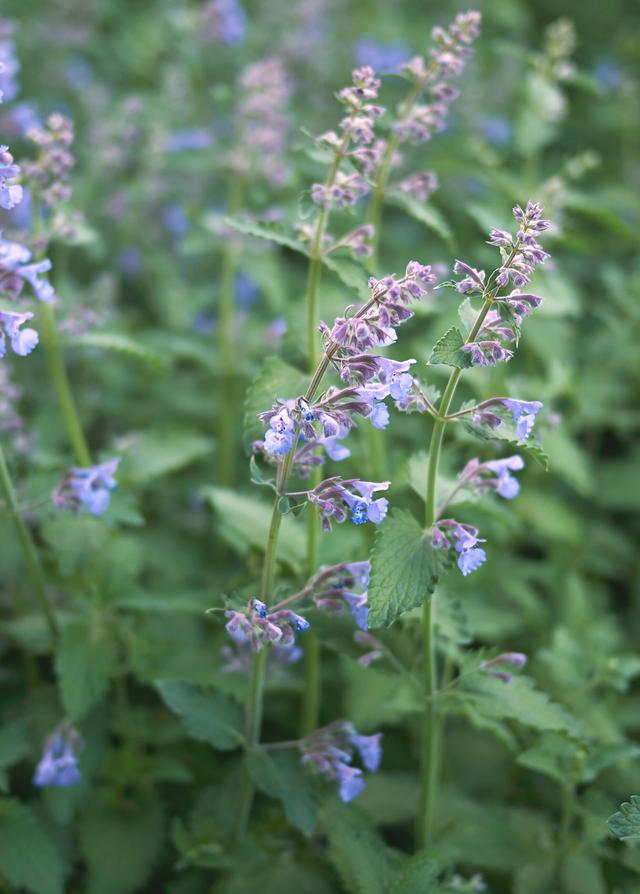
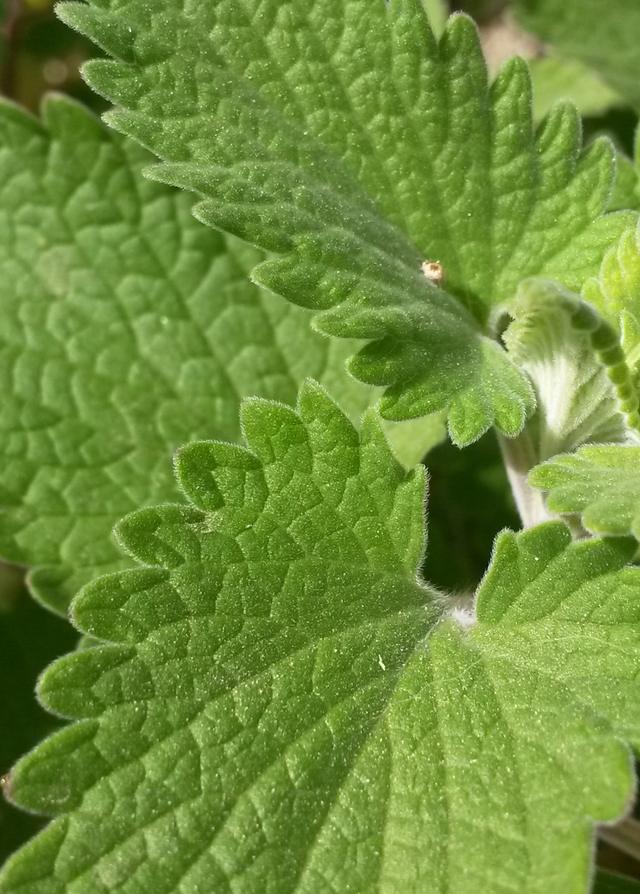
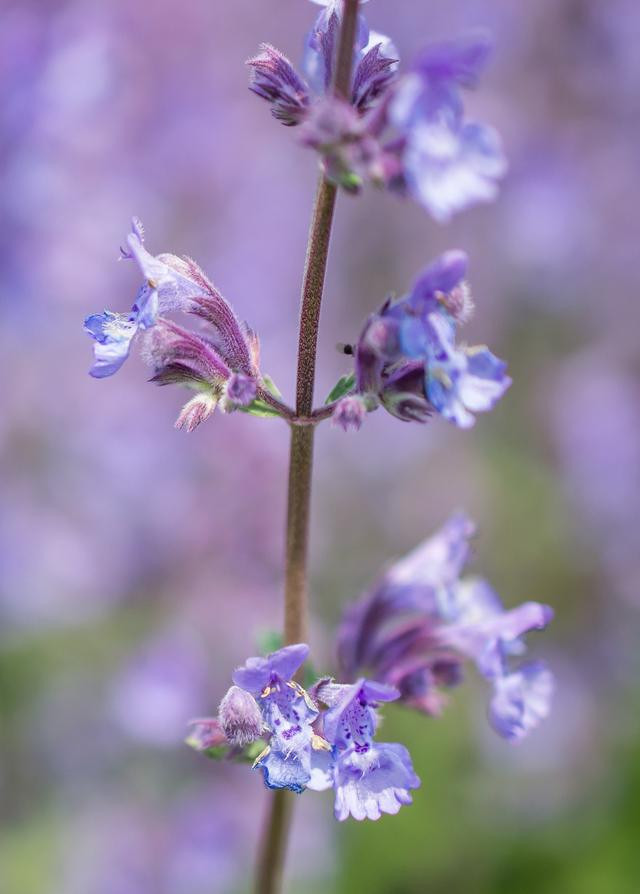
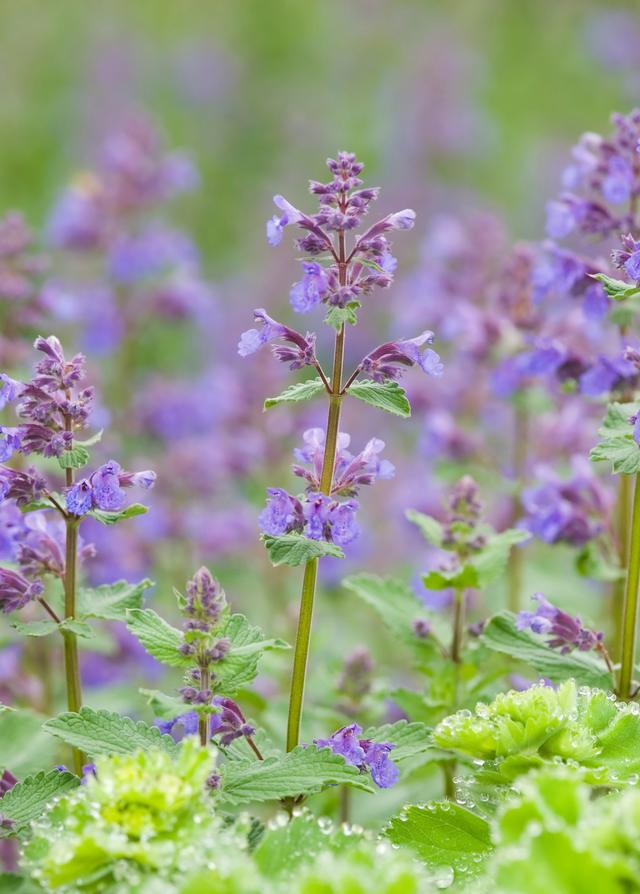
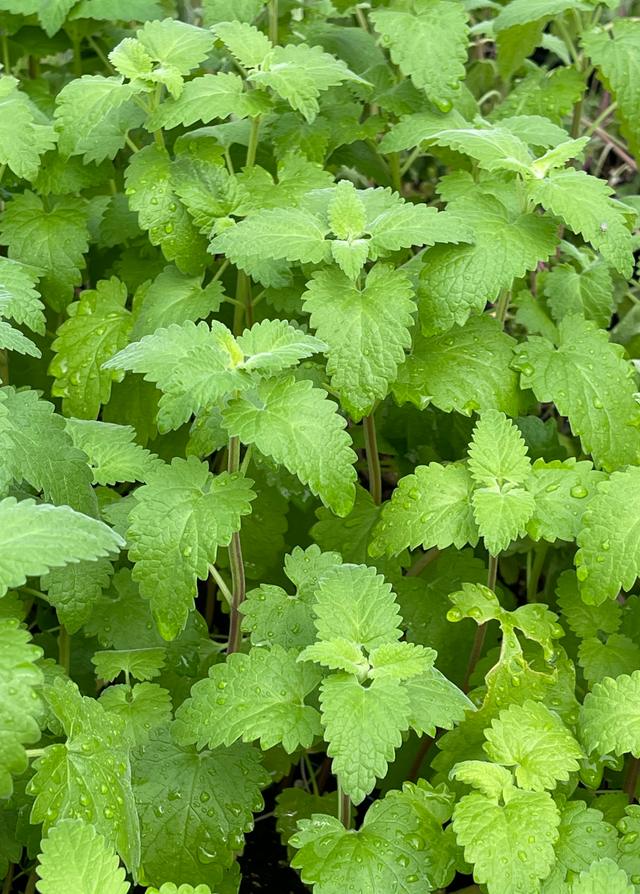
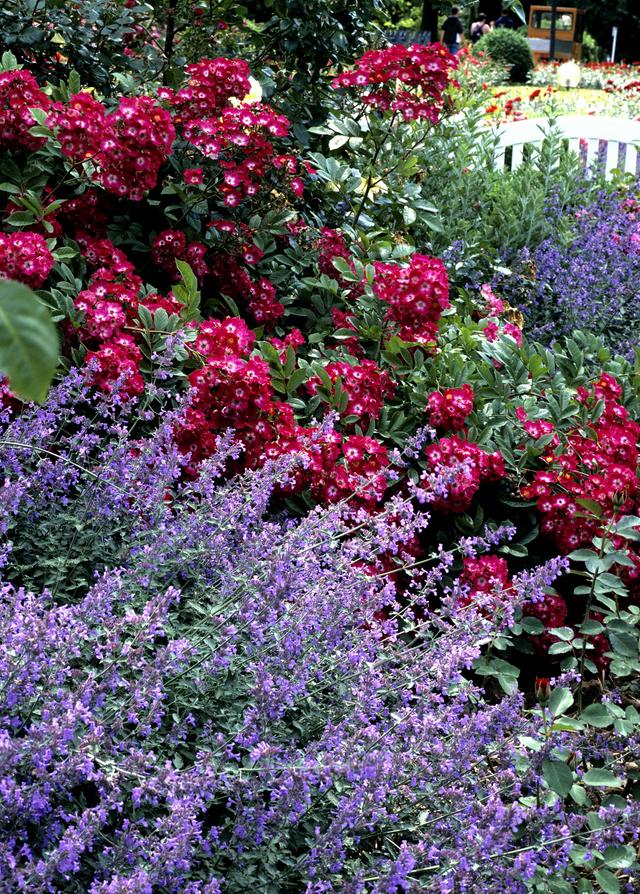
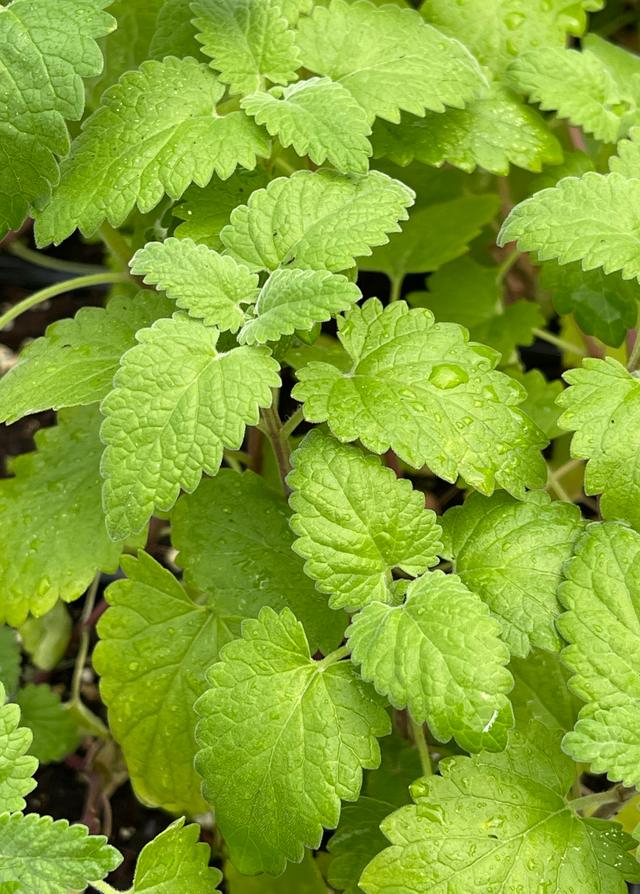
Catnip (Nepeta cataria), also known as catmint, catswort, or catwort, is a perennial herb from the mint family that enchants cats and soothes humans alike. Native to southern and eastern Europe and parts of Asia, catnip has naturalized across North America and beyond, proving its adaptability and resilience. This hardy herb grows easily in gardens, containers, or even windowsills, reaching up to 3–4 feet tall and wide with soft gray-green leaves and long spikes of delicate white to lavender flowers.
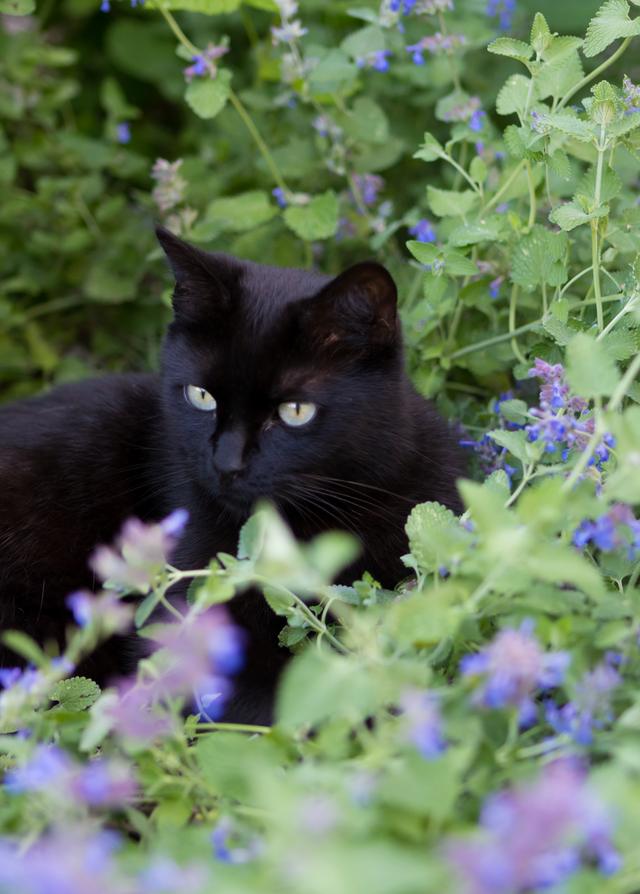
Catnip’s signature minty aroma comes from nepetalactone, a compound that triggers playful behavior in cats. But humans benefit too—catnip has been used for centuries in teas and home remedies to ease anxiety, insomnia, digestive troubles, and cold symptoms. It can also add herbal notes to soups, stews, and sauces. Harvest once stems are fully grown by cutting them at the base, then hang to dry completely for long-term storage.
Catnip prefers well-drained soil and partial sun to thrive. Like many mint family herbs, it may die back in winter with a frost but reliably returns in spring, ready to grow again with minimal fuss.
Why You'll Love It:
- Feline Favorite: Stimulates playful behavior in cats, providing entertainment and exercise.
- Herbal Remedy: Traditionally used to ease anxiety, insomnia, and digestive discomfort in humans.
- Pollinator Magnet: Attracts bees and butterflies, enhancing garden biodiversity.
- Natural Insect Repellent: Nepetalactone also deters mosquitoes and other pests.
- Easy to Grow: Thrives in various conditions with minimal care
Growing Tips:
- Sunlight: Prefers full sun but tolerates partial shade.
- Soil: Well-drained soil; adapts to average garden soils.
- Watering: Moderate watering; drought-tolerant once established.
- Spacing: Plant 18–24 inches apart to allow for growth.
- Maintenance: Prune regularly to encourage bushiness and prevent self-seeding.
- Protection: Use cages or barriers to protect young plants from enthusiastic cats