Garlic-Flavored Leaves and Delicate White Blooms
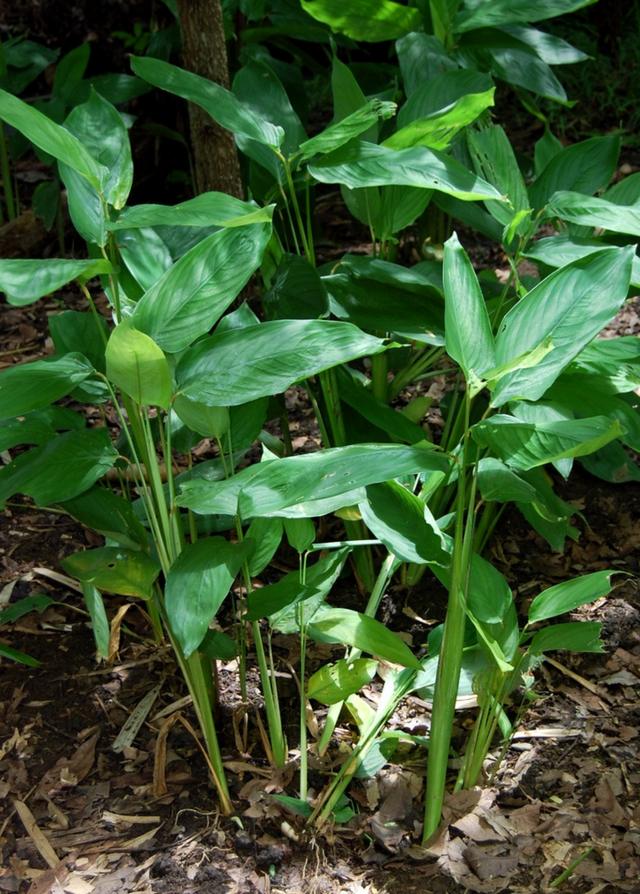
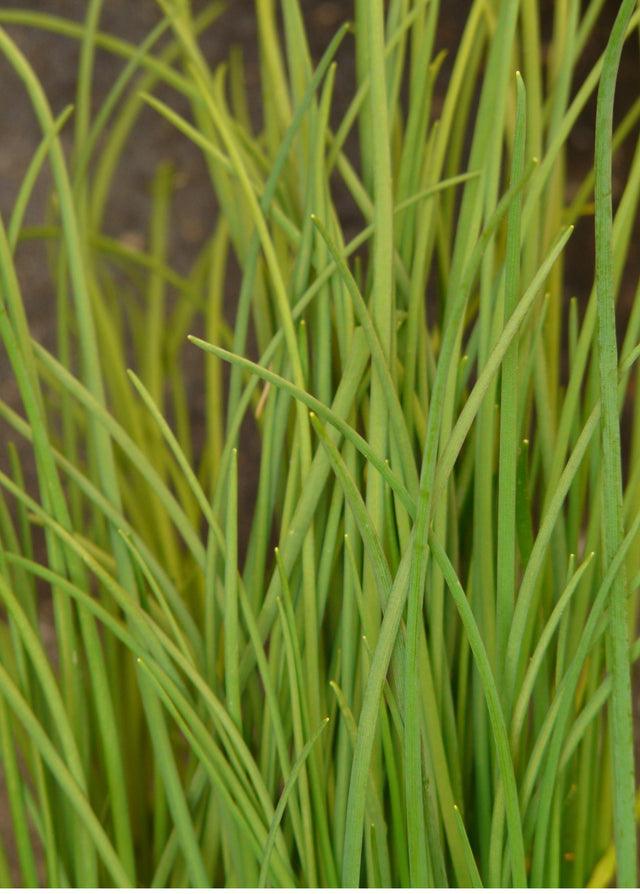
Chinese Leek ( Allium tuberosum ), also known as Chinese Chives or Garlic Chives, is a hardy perennial herb native to East Asia. It forms dense clumps of slender, flat green leaves with a distinctive garlic flavor, making it a versatile addition to herb gardens, vegetable beds, and containers. In late summer, tall flower stalks rise above the foliage, bearing clusters of delicate, star-shaped white flowers that attract bees and other pollinators.
Easy to grow and productive year after year, Chinese Leek is valued for both its culinary uses and ornamental appeal. The flavorful leaves can be harvested throughout the growing season, while the edible flowers add a mild garlic flavor and attractive finish to salads and other dishes. Its clumping growth habit makes it a practical choice for small gardens, and regular harvesting encourages fresh new growth.
Cultural & Culinary Significance
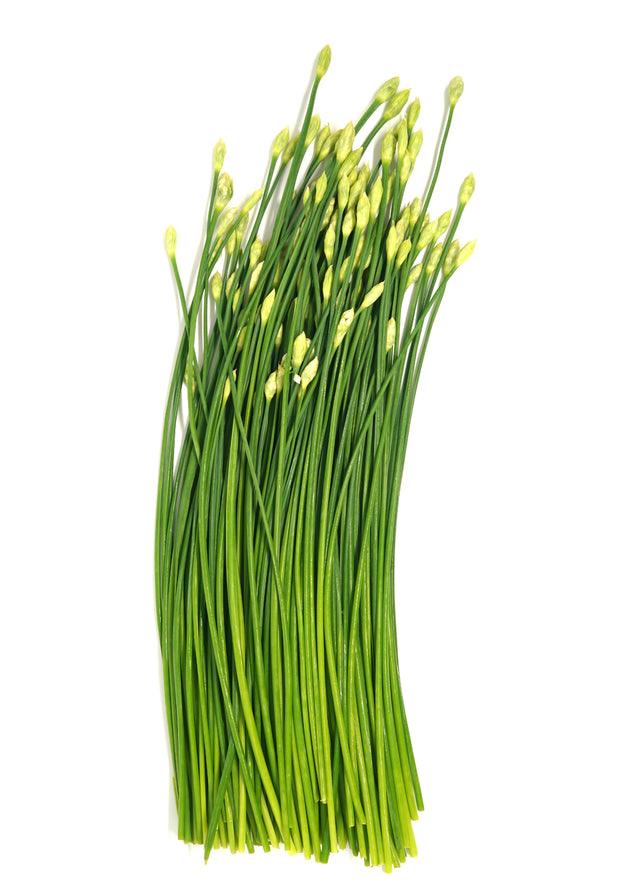
Chinese Leek has long been used in East Asian cooking, particularly in Chinese cuisine. Its flat leaves offer a savory garlic flavor that works well in stir-fries, dumplings, soups, egg dishes, and noodle recipes. The flower buds and blossoms are also edible and can be used to add flavor and texture to a variety of dishes.
Why Grow Chinese Leek?
-
Harvest fresh, flat leaves with a distinctive garlic flavor throughout the growing season.
-
Add a reliable perennial herb to your garden that returns year after year.
-
Enjoy clusters of fragrant white flowers that attract bees and other pollinators.
-
Grow a versatile culinary herb that thrives in garden beds and containers.
-
Expand your edible garden with a low-maintenance plant that forms productive clumps.