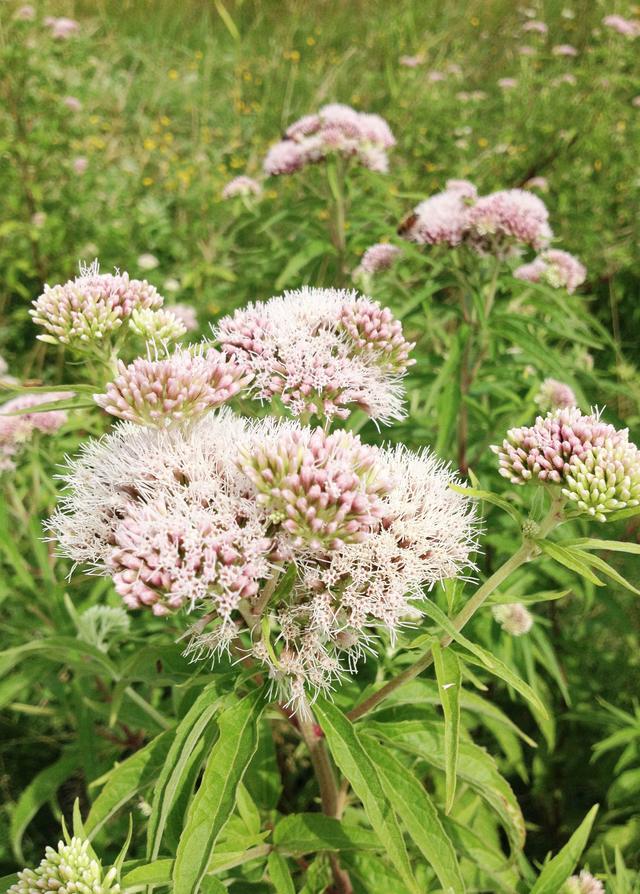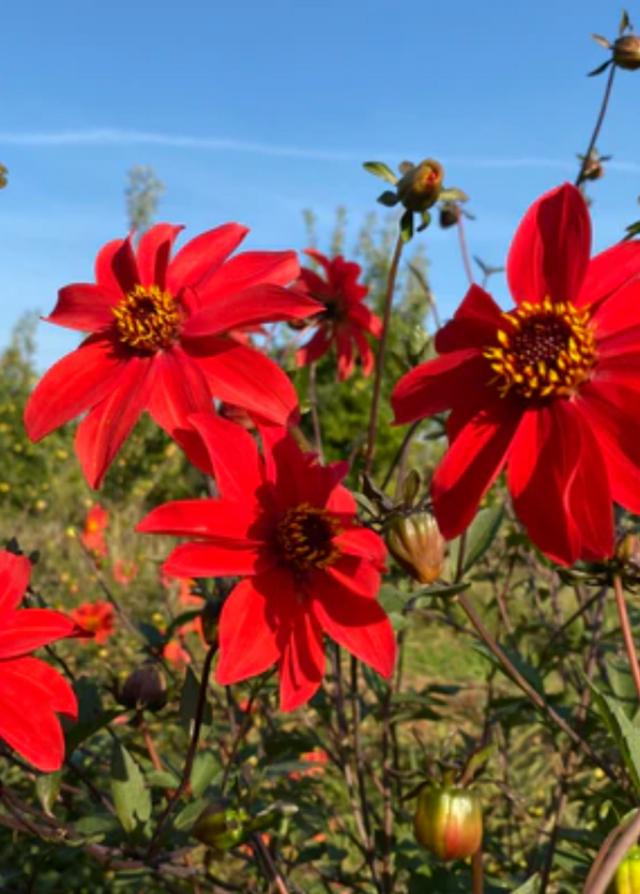
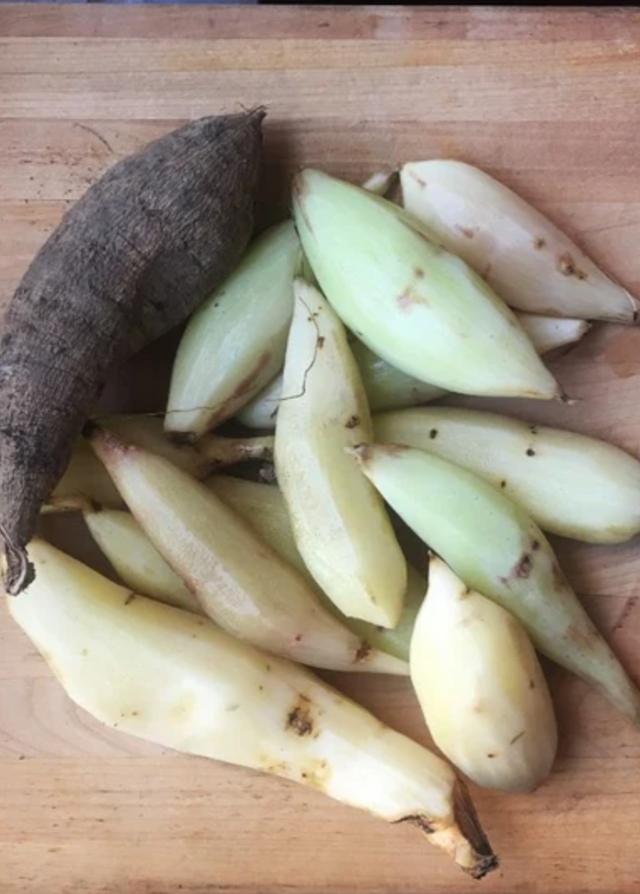
Cocoxochitl, more commonly known as the Culinary Dahlia, is not only admired for its ornamental beauty but also valued for its edible qualities. This plant belongs to the Asteraceae family and is notable for its striking flowers and tuberous roots. The flowers come in a myriad of colors and forms, while the tubers resemble the texture and taste of water chestnuts, offering a crunchy, slightly sweet flavor.
Growth and Cultivation Insights Cocoxochitl thrives in environments that offer full sun and well-draining soil, making it suitable for a variety of garden settings. Planting should occur in the spring, post-frost, to ensure optimal growth and blooming from mid-summer to early fall. Regular watering and light fertilization will support both the aesthetic appeal of its blooms and the development of its robust tubers.
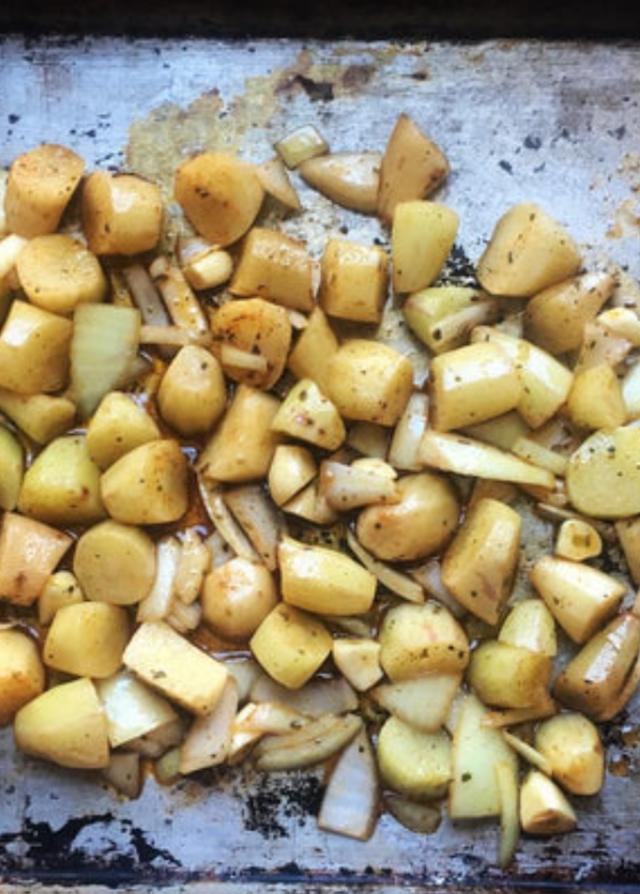
Edible Applications and Historical Significance Historically, the tubers of the Cocoxochitl have been utilized in indigenous cuisines for their versatility and nutritional value. Today, they are rediscovered by culinary enthusiasts looking to add unique textures and flavors to their dishes. These tubers can be prepared in numerous ways—roasted, boiled, or even used raw in salads.
Cultivate and Culinate Embrace the dual delights of Cocoxochitl by incorporating this dahlia into your garden. Its decorative appeal enhances the landscape, while its tubers expand your culinary repertoire.