Unique Herb with a Strong Flavor
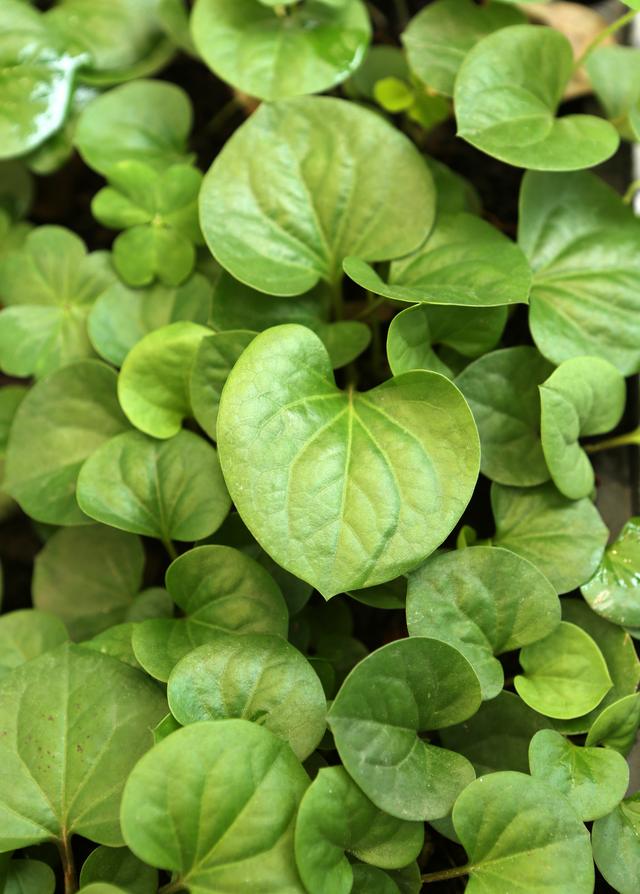
Giáp Cá (Houttuynia cordata), commonly known as Fish Mint or Lizard Tail, is a perennial herb native to Southeast Asia. This distinctive herb is prized for its strong fishy aroma and bold flavor and is widely used in Vietnamese, Chinese, and Japanese cuisines. Its heart-shaped leaves are dark green with a purple tint, and the aroma intensifies when the leaves are crushed. Giáp Cá thrives in wet, shady conditions, making it an excellent choice for herb gardens or as ground cover in moist areas.
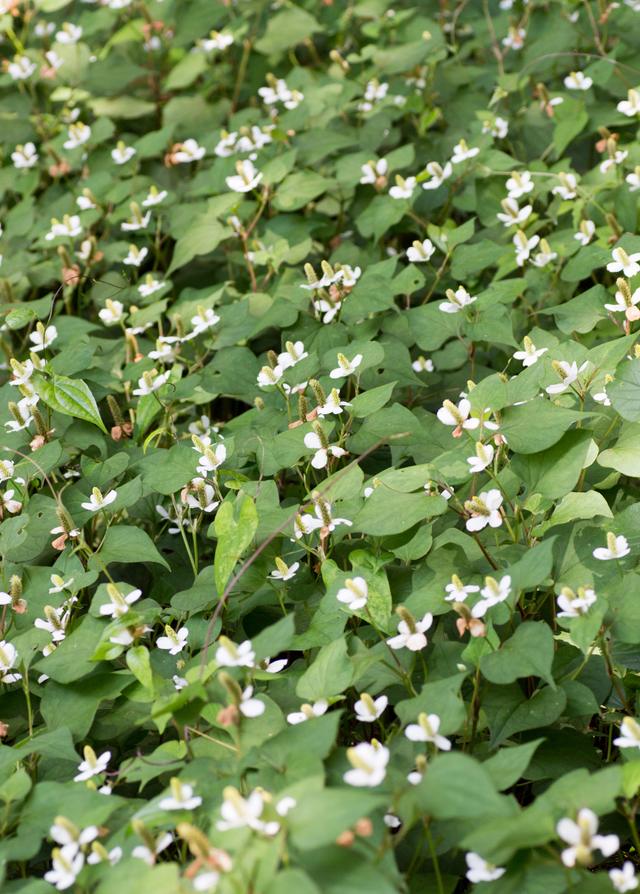
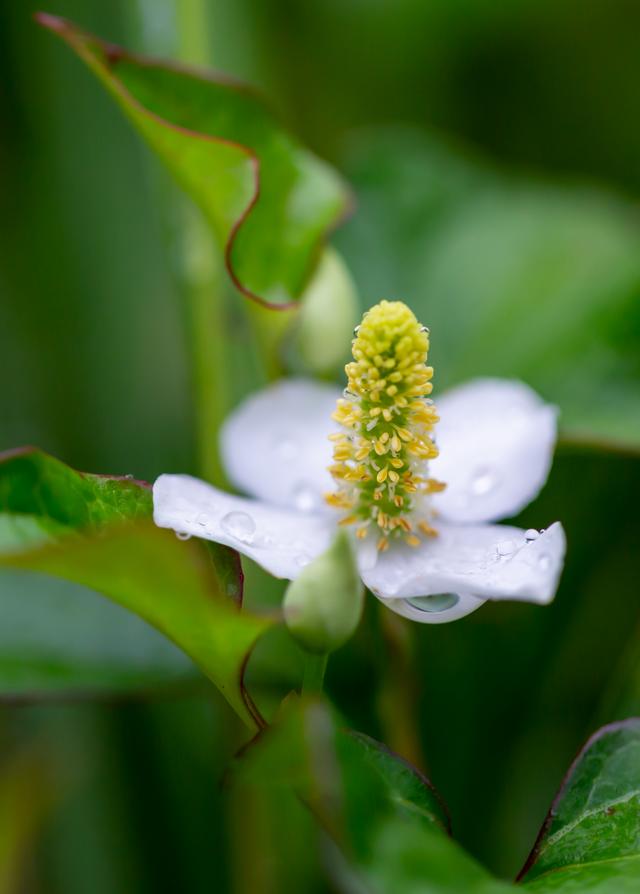
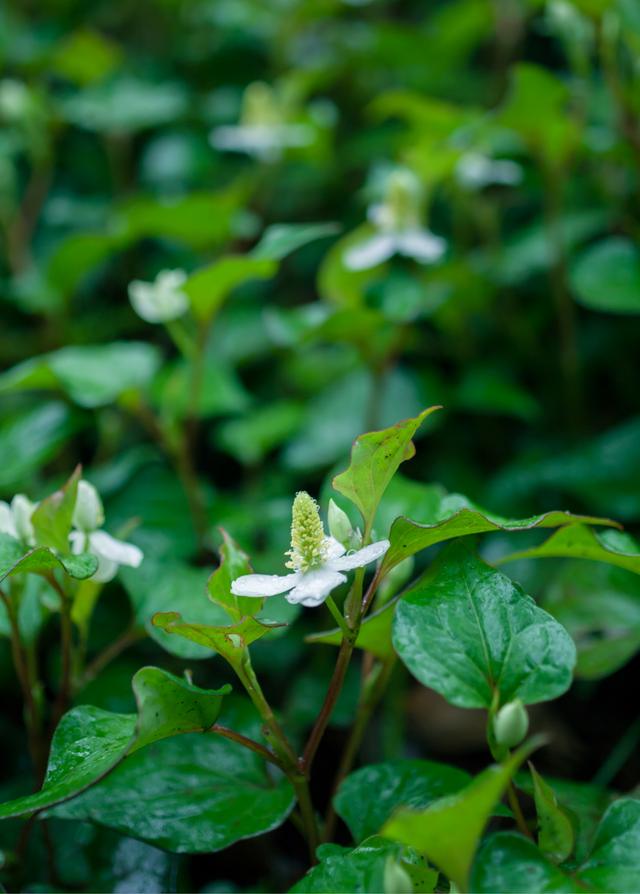
The plant produces small white flowers in spikes but is primarily grown for its flavorful foliage. Giáp Cá grows as a low, spreading herb reaching 1–2 ft. tall and spreads through underground rhizomes, allowing it to quickly cover large areas. The edible leaves are commonly enjoyed fresh in salads, soups, spring rolls, and as a garnish, while the plant's distinctive flavor pairs especially well with garlic, chili, and fermented foods.
Cultural & Culinary Significance
Giáp Cá is an important fresh herb in Vietnamese and Southeast Asian cuisine and is also used in Chinese and Japanese cooking. In Vietnam, fresh leaves are commonly served in raw salads or alongside grilled meats and fish. They can also be added to spring rolls, soups, and other savory dishes as a garnish. The pungent, fishy flavor pairs well with bold ingredients such as garlic, chili, and fermented foods.
Giáp Cá has also been valued in traditional Chinese and Vietnamese medicine for generations. Traditional uses include preparations made from the leaves as teas or tinctures, with the herb traditionally associated with anti-inflammatory, antimicrobial, and diuretic properties.
Why Grow Giáp Cá?
-
Produces edible heart-shaped leaves with a distinctive fishy aroma and flavor
-
Widely used in Vietnamese, Chinese, and Japanese cuisines
-
Excellent for salads, soups, spring rolls, and fresh garnishes
-
Spreads through underground rhizomes to create effective ground cover
-
Thrives in wet, shady locations where many herbs struggle