Ancient Living Fossil Tree
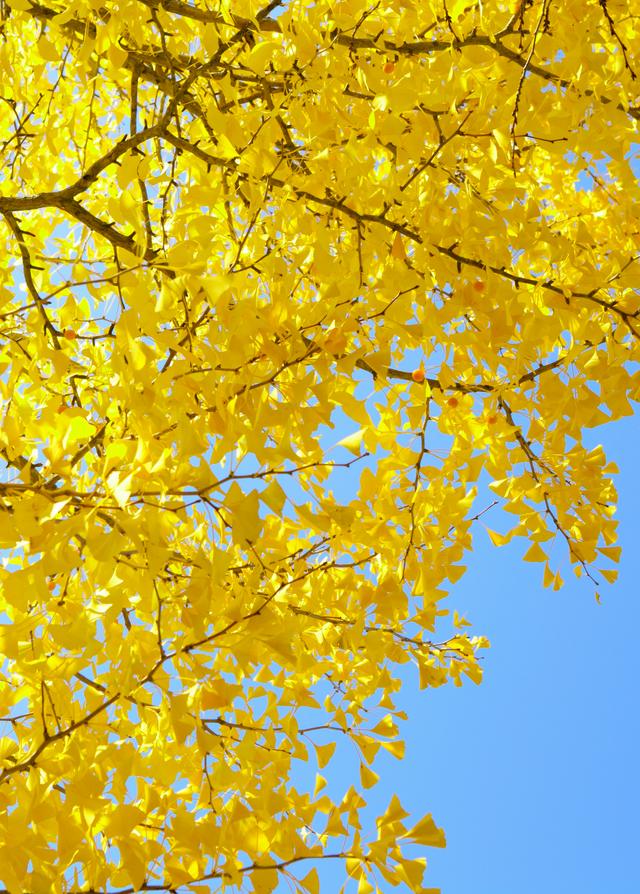
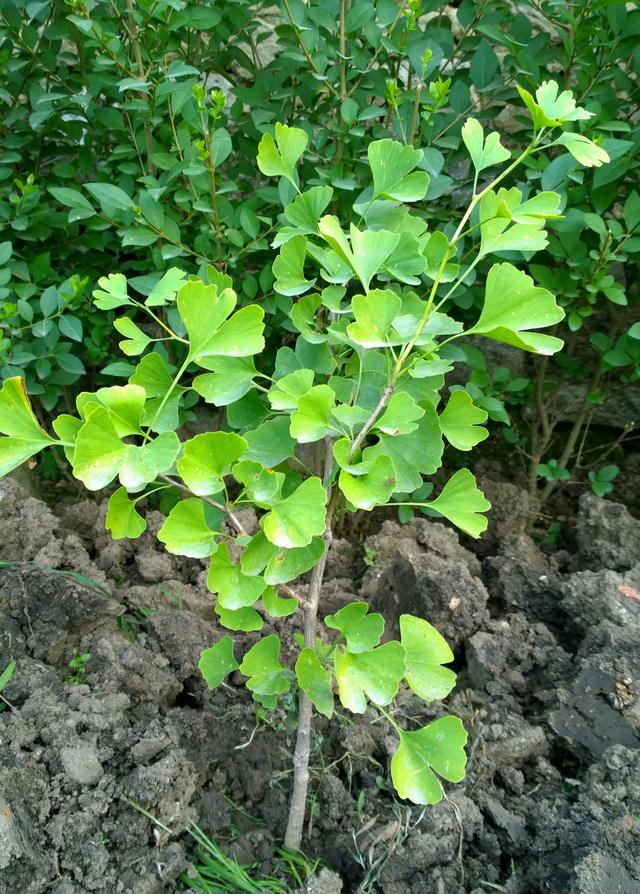
Ginkgo ( Ginkgo biloba ), also known as the Maidenhair Tree, is one of the oldest living tree species on Earth, dating back over 200 million years. Native to China, this remarkable tree is prized for its unique fan-shaped leaves and exceptional resilience. Often referred to as a “living fossil,” Ginkgo adds timeless beauty to landscapes and is well suited to urban environments, parks, and streetscapes. Its bright green foliage transforms into brilliant golden-yellow shades in fall, creating a striking seasonal display.
Ginkgo is a medium to large deciduous tree with an upright, spreading growth habit. It can reach 50–80 ft. tall and has a slow to moderate growth rate, making it a long-lasting addition to the landscape. Female trees produce small, plum-like fruits with a soft outer layer and edible seeds that are enjoyed in some Asian cuisines after proper preparation. However, the fruit has a strong odor, so male trees are often preferred for ornamental planting.
Distinctive Features, Uses, and Nutritional Value
Foliage: Ginkgo’s fan-shaped, bright green leaves are its most distinctive feature. In fall, the leaves turn brilliant golden yellow before dropping, creating a beautiful seasonal display. Ginkgo leaves are also used in teas and supplements for their antioxidant properties.
Growth Habit: Ginkgo is a medium to large deciduous tree that grows up to 50–80 ft. tall with an upright, spreading form. Its slow to moderate growth rate and remarkable resilience make it a long-lasting addition to gardens, parks, and urban landscapes.
Fruit: Female Ginkgo trees produce small, plum-like fruits with a soft outer layer. The seeds inside, known as Ginkgo nuts, are edible when properly prepared, but the fruits have a strong odor and are often avoided in favor of male trees for ornamental planting.
Culinary and Medicinal Uses
Ginkgo leaves have been used for centuries in traditional Chinese medicine for their potential cognitive and circulatory benefits. Ginkgo leaf extract is also commonly found in herbal supplements. The seeds, known as Ginkgo nuts, are consumed in some Asian cuisines after careful preparation. They should be eaten in moderation because consuming large quantities can cause toxicity.
Why Grow Ginkgo?
-
Grow an ancient tree species with a history spanning over 200 million years.
-
Enjoy distinctive fan-shaped leaves and brilliant golden-yellow fall color.
-
Add a resilient, long-lived tree to your garden or landscape.
-
Bring ornamental interest to parks, streetscapes, and urban environments.
-
Appreciate a tree with a rich cultural history and traditional uses.