Aromatic and Medicinal Spice Root
Common Names: Greater Galangal, Thai Ginger, Siamese Ginger, Lengkuas, Laos Family: Zingiberaceae Origin: Southeast Asia
Greater Galangal (Alpinia galanga) is a tropical perennial herb known for its aromatic rhizomes, which are commonly used in Southeast Asian cuisine. With a flavor that combines ginger, citrus, and pine, Greater Galangal is a key ingredient in Thai, Indonesian, and Malaysian dishes. In addition to its culinary uses, it has been traditionally used in herbal medicine to aid digestion, reduce inflammation, and boost immune health. Greater Galangal is a hardy plant that thrives in warm climates and is a valuable addition to both kitchen gardens and ornamental landscapes.
Distinctive Features, Uses, and Nutritional Value
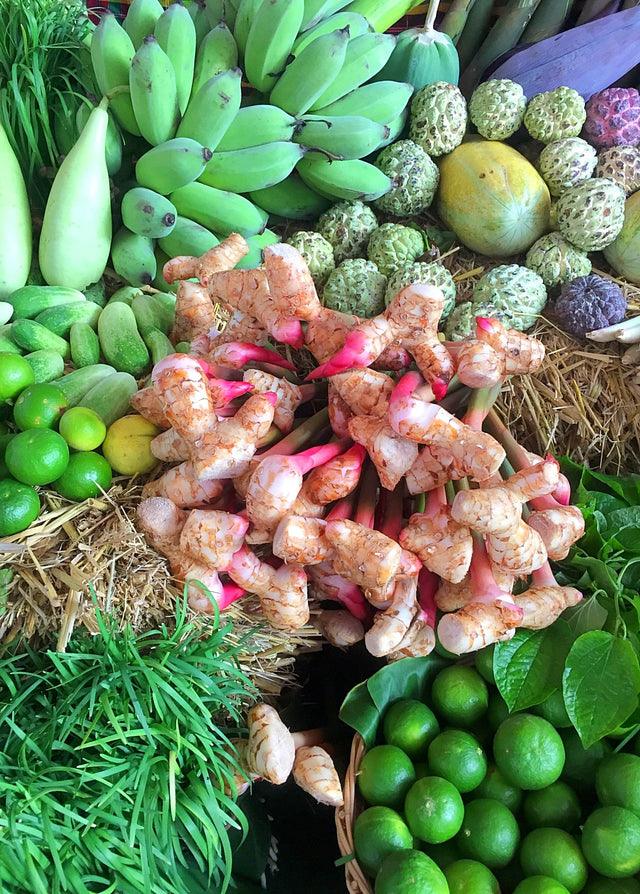
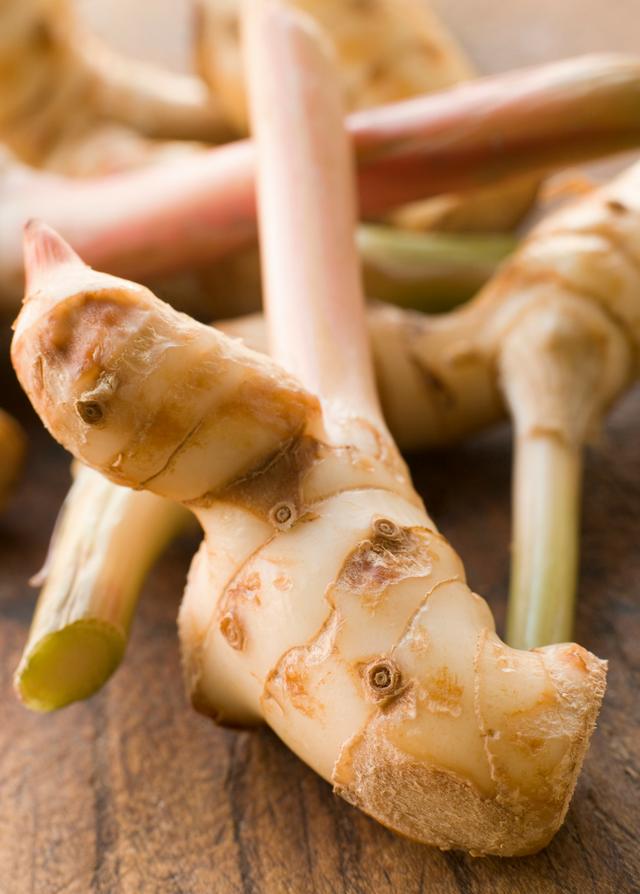
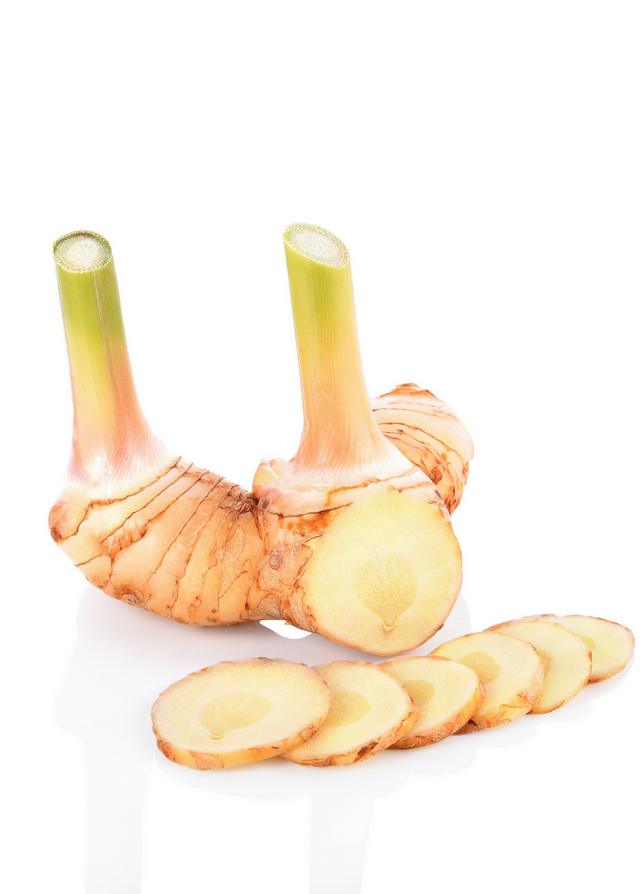
Rhizomes: The knobby, reddish-brown rhizomes are the most prized part of the plant, used for their distinctively pungent and spicy flavor. The rhizomes are often sliced or grated and used fresh or dried in soups, curries, and sauces. Rich in essential oils, Greater Galangal has anti-inflammatory and antimicrobial properties.
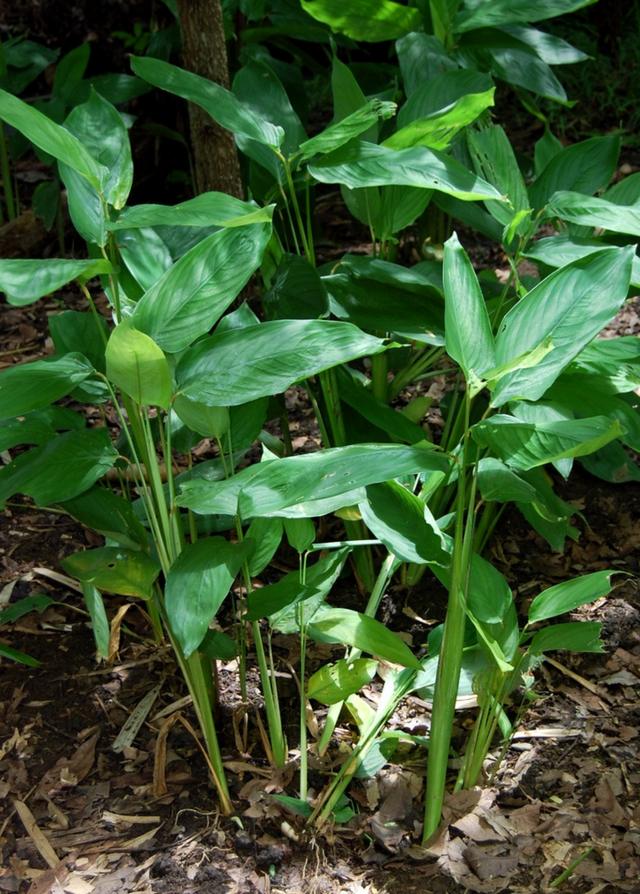
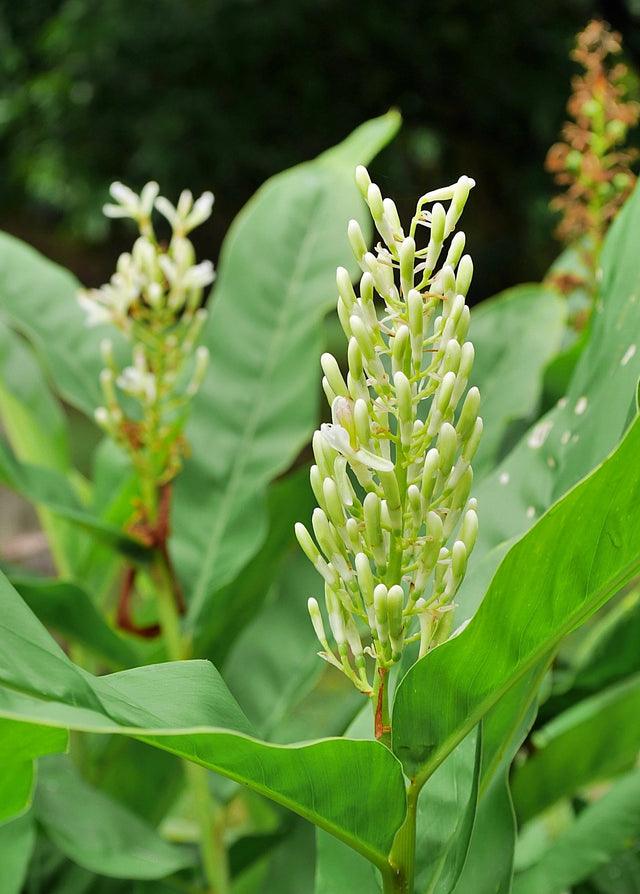
Foliage: The plant has long, lance-shaped leaves that give it a tropical appearance, making it an attractive addition to gardens.
Growth Habit: Greater Galangal grows as a clumping herbaceous perennial, reaching 4-6 feet tall, with a spreading, rhizomatous growth habit.
Culinary and Medicinal Uses
Greater Galangal is a staple in Southeast Asian cuisine, adding a warm, peppery flavor to soups, stews, curries, and stir-fries. It is especially common in Thai dishes like Tom Yum soup. In traditional medicine, it is used to aid digestion, reduce inflammation, and treat colds and respiratory issues. The rhizomes are rich in antioxidants and have been shown to possess antimicrobial and anti-inflammatory properties.