Hardy, Nutritious Leafy Green
Common Names: Java Ginseng, Fame Flower, Pink Baby’s Breath, Philippine Ginseng Family: Talinaceae Origin: Tropical Americas and Southeast Asia
Java Ginseng (Talinum paniculatum) is a fast-growing, hardy plant known for its medicinal uses and nutritional value. Despite its common name, Java Ginseng is not related to true ginseng but is widely used in traditional medicine for its health-boosting properties. This leafy green plant features fleshy, succulent leaves and delicate, pink flowers, making it both an edible and ornamental addition to gardens. The plant is easy to grow and is highly valued for its leaves, which can be consumed fresh in salads or cooked like spinach. Java Ginseng is known to be rich in vitamins, minerals, and antioxidants, supporting overall wellness.
Distinctive Features, Uses, and Nutritional Value
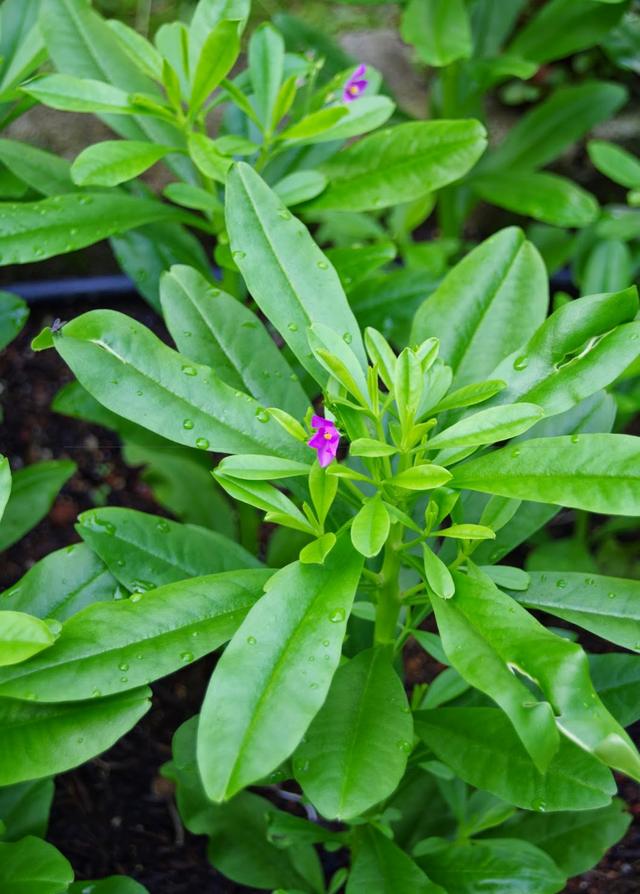
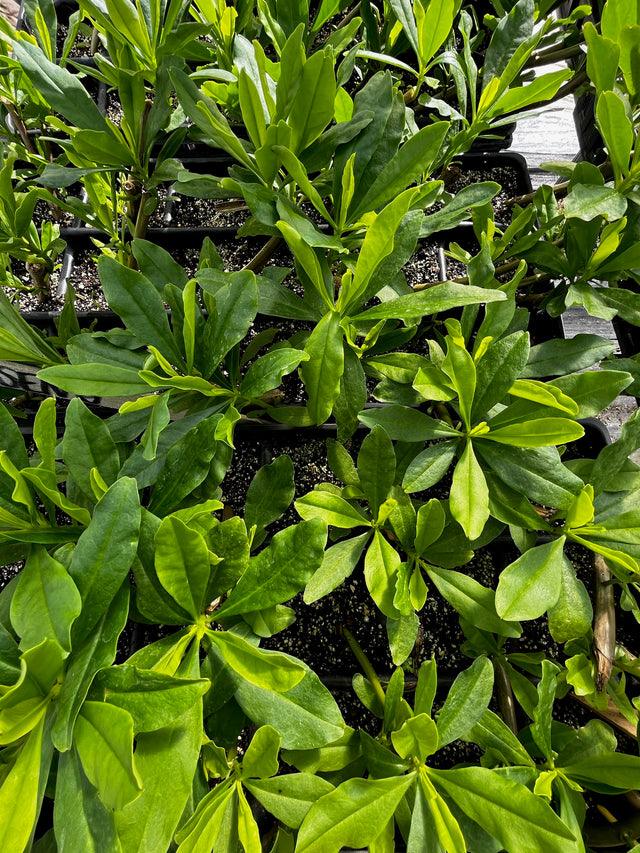
Leaves: Java Ginseng produces fleshy, succulent leaves that are high in vitamins A, C, and K, as well as calcium and iron. The leaves have a slightly tangy, spinach-like flavor and can be eaten fresh in salads or cooked in soups and stir-fries. These leaves are also used in traditional medicine, where they are believed to boost energy, improve immune function, and support general health.
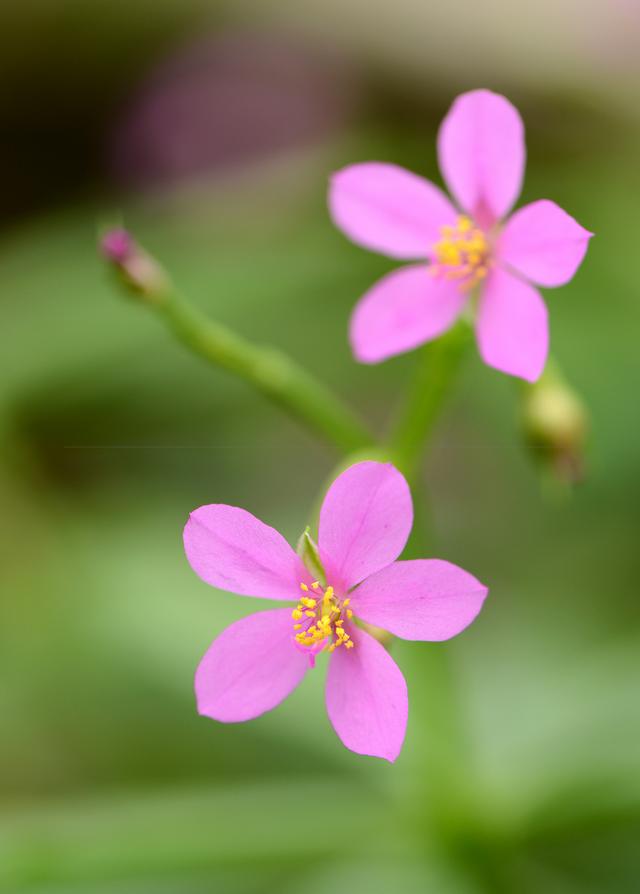
Flowers: The plant blooms with clusters of small, pink or magenta flowers on tall, slender stems, adding ornamental value to gardens. These delicate flowers attract pollinators, making Java Ginseng an attractive option for wildlife gardens.
Growth Habit: Java Ginseng is a hardy perennial that grows rapidly in warm climates, reaching 2-3 feet tall. Its tolerance for a variety of soil types and minimal care requirements make it an ideal choice for beginner gardeners.
Java Ginseng: The Hardy, Nutritious Leafy Green
Botanical Name: Talinum paniculatum Common Names: Java Ginseng, Fame Flower, Pink Baby’s Breath, Philippine Ginseng Family: Talinaceae Origin: Tropical Americas and Southeast Asia
Java Ginseng (Talinum paniculatum) is a fast-growing, hardy plant known for its medicinal uses and nutritional value. Despite its common name, Java Ginseng is not related to true ginseng but is widely used in traditional medicine for its health-boosting properties. This leafy green plant features fleshy, succulent leaves and delicate, pink flowers, making it both an edible and ornamental addition to gardens. The plant is easy to grow and is highly valued for its leaves, which can be consumed fresh in salads or cooked like spinach. Java Ginseng is known to be rich in vitamins, minerals, and antioxidants, supporting overall wellness.
Distinctive Features, Uses, and Nutritional Value
Leaves: Java Ginseng produces fleshy, succulent leaves that are high in vitamins A, C, and K, as well as calcium and iron. The leaves have a slightly tangy, spinach-like flavor and can be eaten fresh in salads or cooked in soups and stir-fries. These leaves are also used in traditional medicine, where they are believed to boost energy, improve immune function, and support general health. Flowers: The plant blooms with clusters of small, pink or magenta flowers on tall, slender stems, adding ornamental value to gardens. These delicate flowers attract pollinators, making Java Ginseng an attractive option for wildlife gardens. Growth Habit: Java Ginseng is a hardy perennial that grows rapidly in warm climates, reaching 2-3 feet tall. Its tolerance for a variety of soil types and minimal care requirements make it an ideal choice for beginner gardeners.
Medicinal and Culinary Uses
Java Ginseng is widely used in Southeast Asian cuisine and traditional medicine. Its nutrient-rich leaves are incorporated into salads, soups, and stir-fries, while in folk medicine, it is believed to enhance stamina, lower blood sugar, and aid digestion. The plant is also used in herbal teas and tonics to promote general wellness.