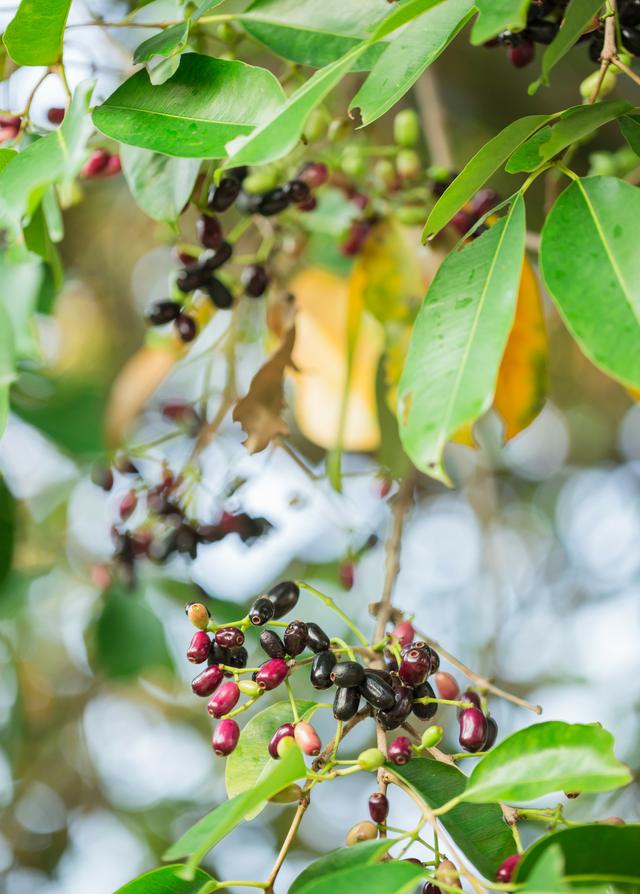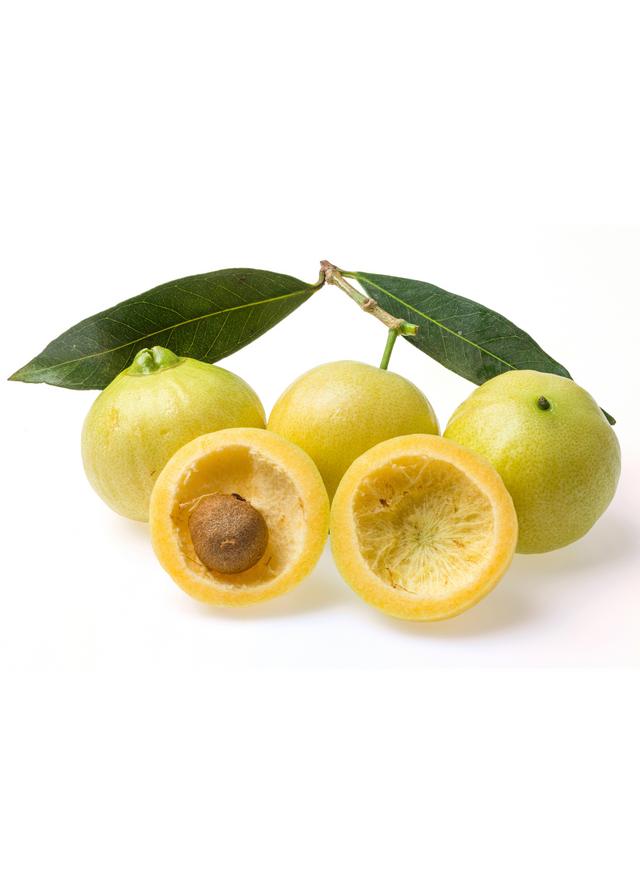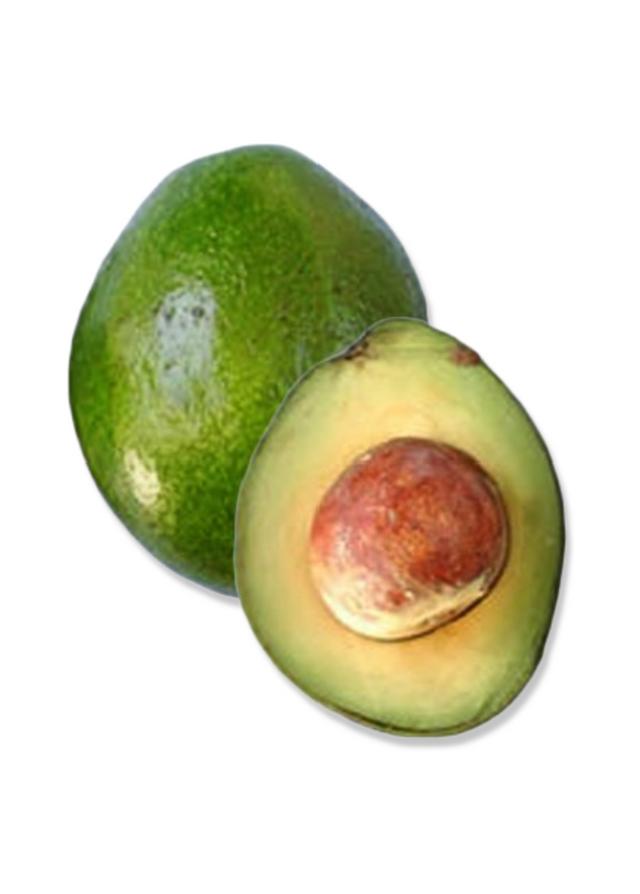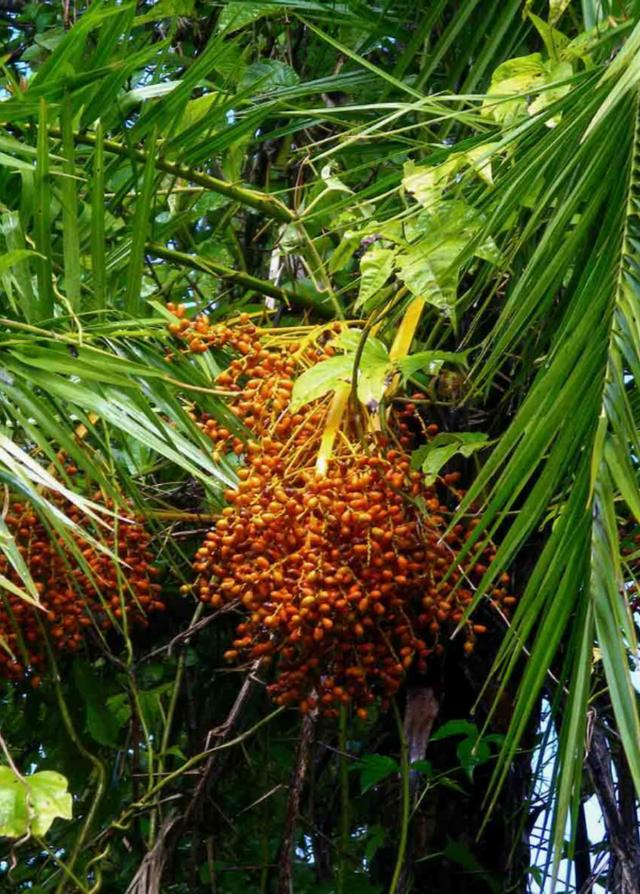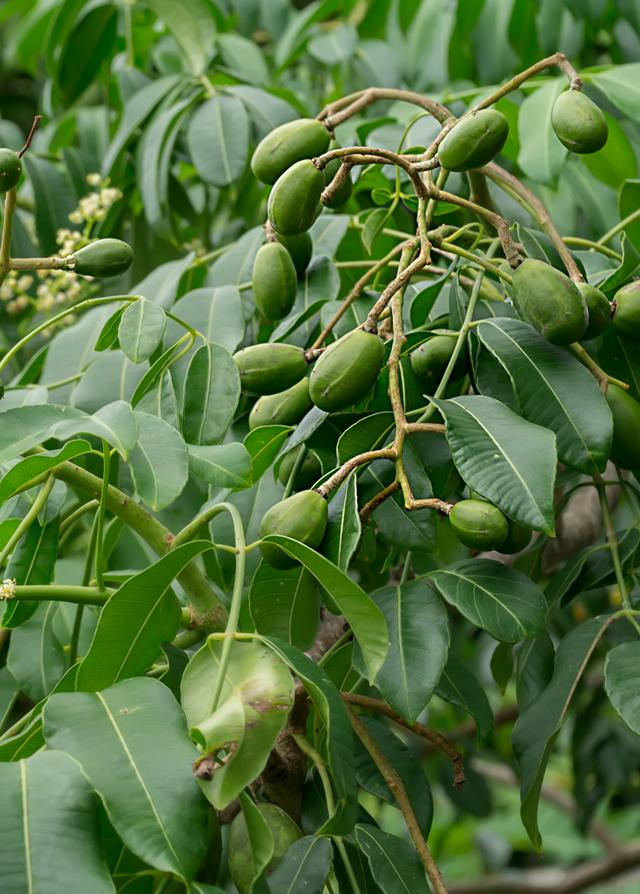
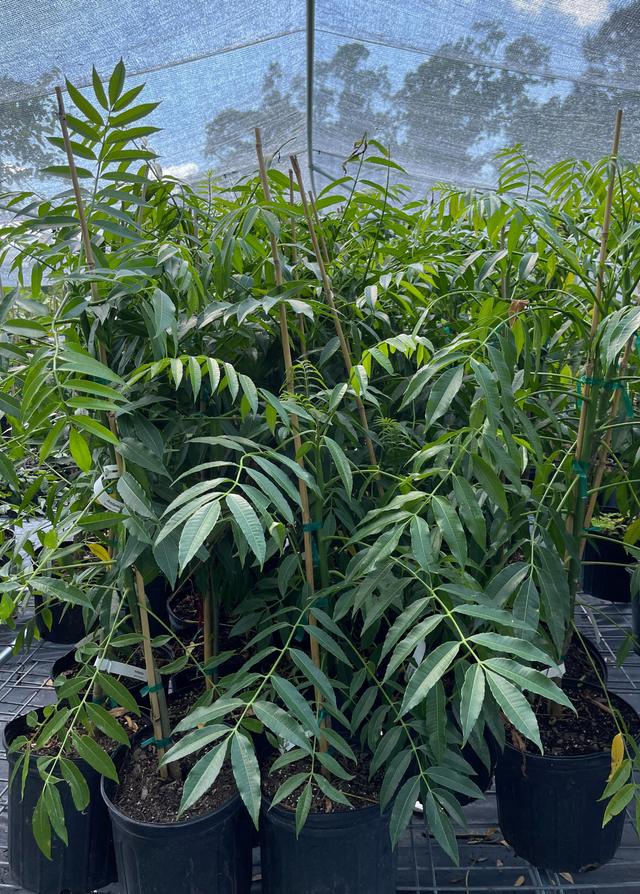
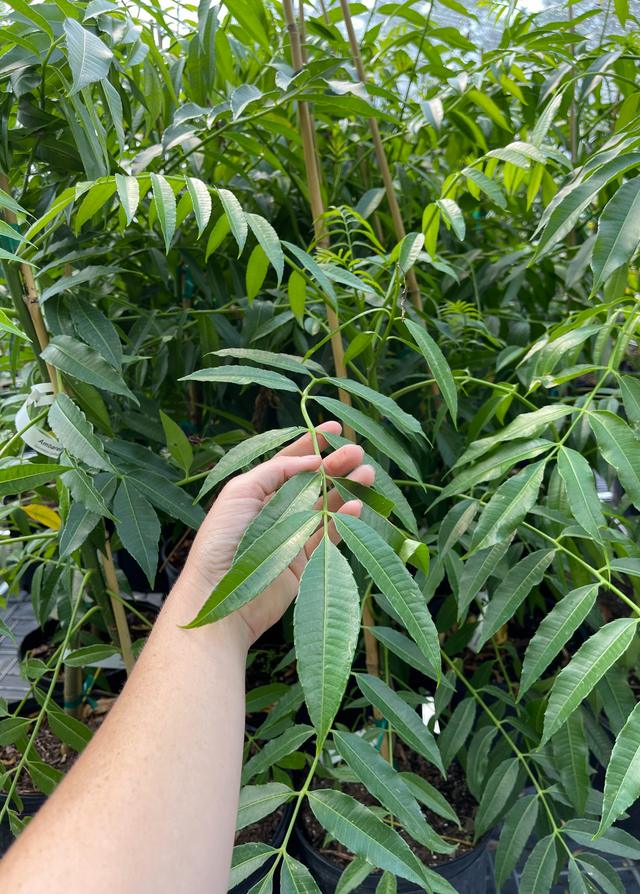
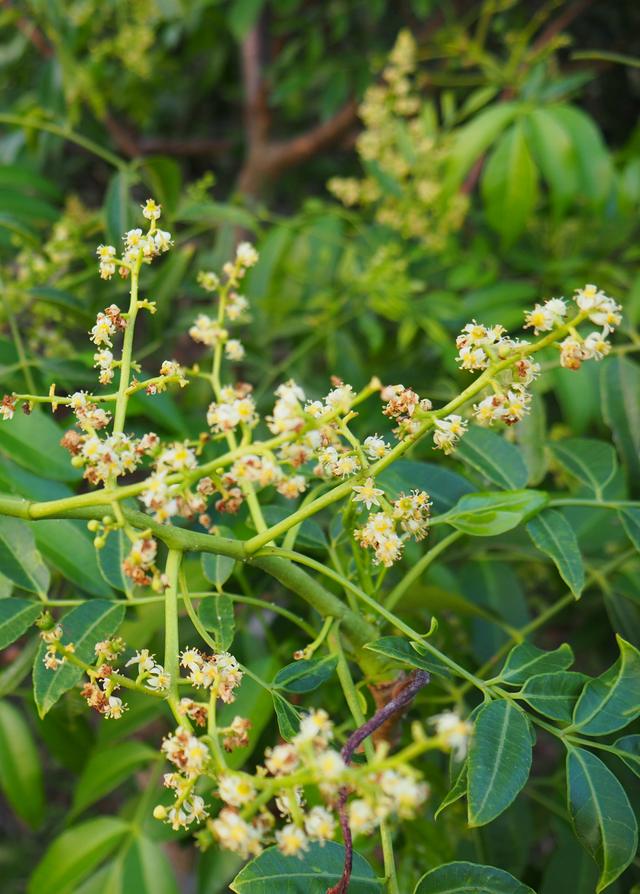
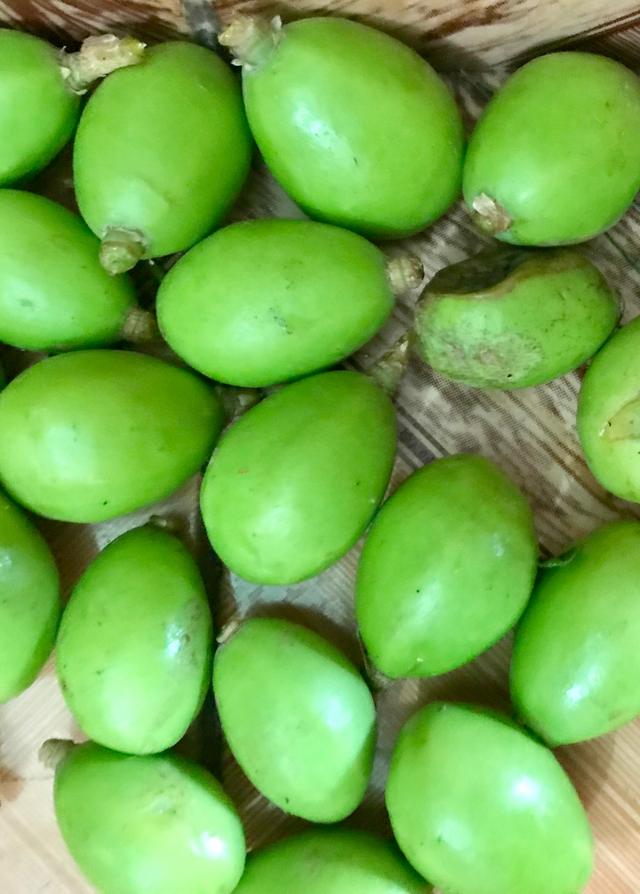
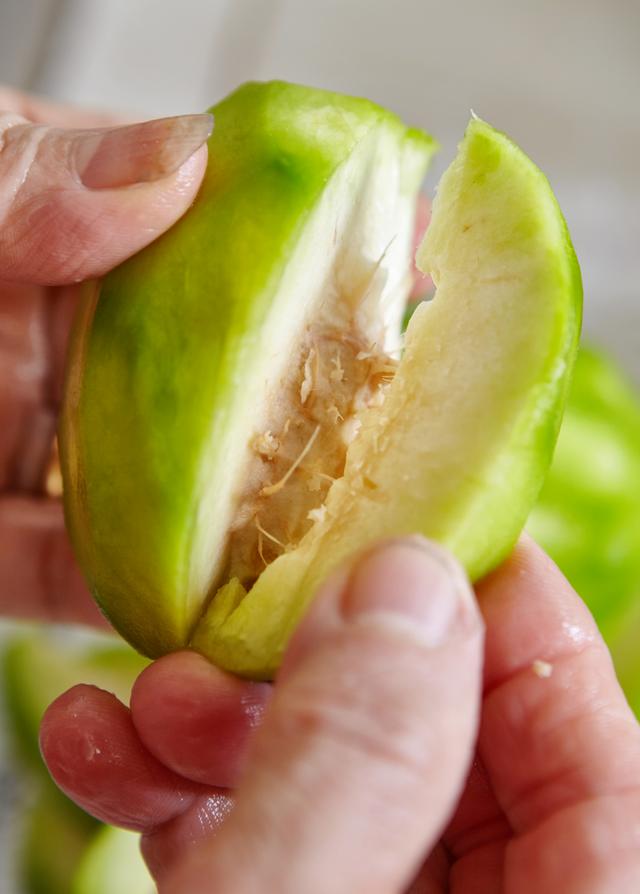
June Plum, also known as Ambarella, is a gorgeous fast-growing tropical/subtropical fruit tree that bears large, oval shaped fruit. The fruit has a texture similar to apple and a light flavor combination of apple, pineapple, and mango. June Plum is native to Polynesia and other subtropical to tropical regions and thrives in warm weather with cool (but not freezing cold) winter temperatures. They're easy to grow in a variety of soils, as long as there's good drainage, and grow well in containers.
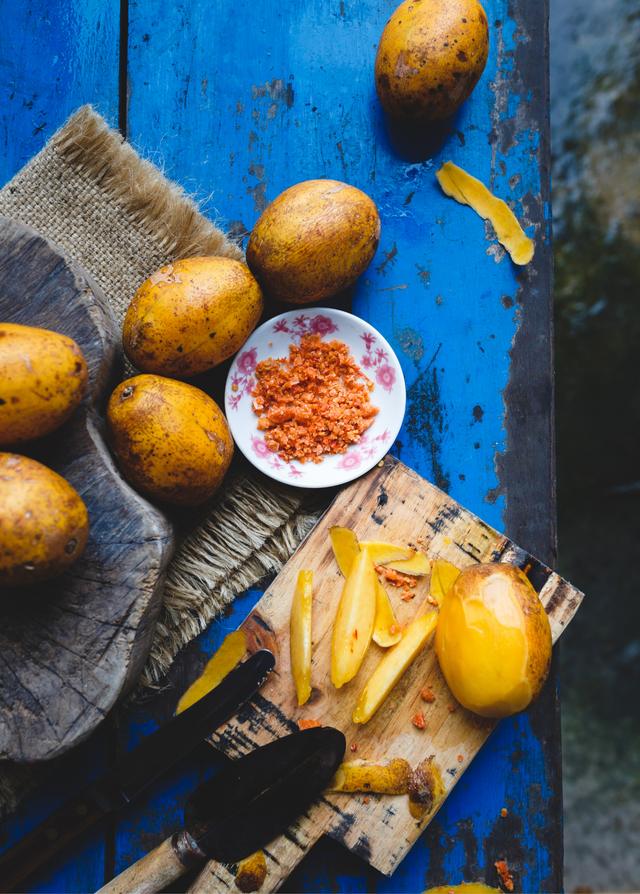
Mature June Plum trees are really heavy producers! Long-stalked oval fruits dangle in bunches of a dozen or more. While still green and hard, the fruits fall to the ground, a few at a time, over a period of several weeks. As they ripen, the skin and flesh turn golden-yellow. While the fruit is still firm, the flesh is crisp, juicy and subacid, and has a somewhat pineapple-like fragrance and flavor. If allowed to soften, the aroma and flavor become musky and the flesh difficult to slice.
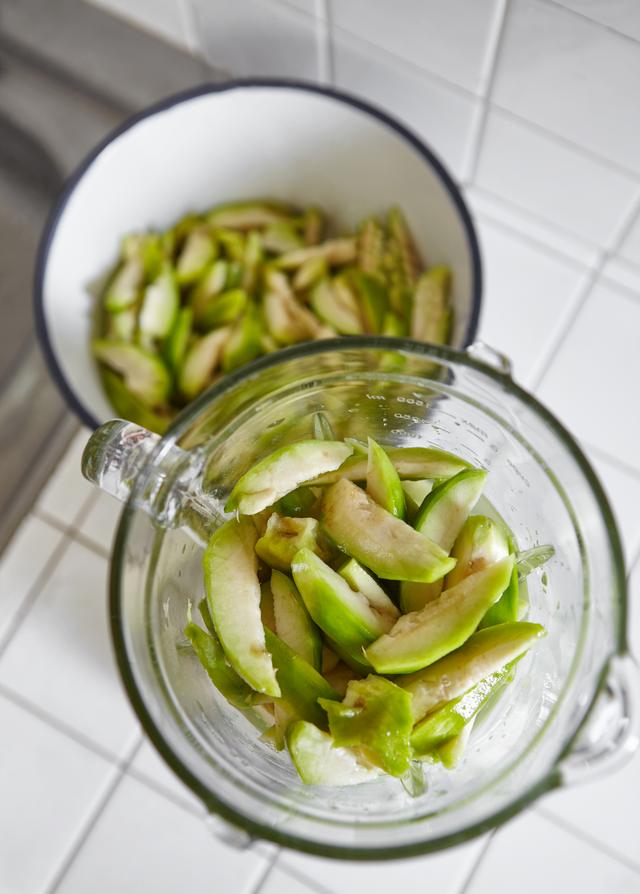
June Plum's can be eaten fresh out-of-hand while still green, juiced, or made into a delicious traditional applesauce like dish. With the addition of cinnamon or any other spices desired, this sauce can be slowly cooked down to a thick consistency to make a preserve very similar to apple butter. Unripe fruits can be made into jelly, pickles or relishes, or used for flavoring sauces, soups and stews.