*LIMITED EDITION*
Rare Mexican Papaya Relative with Ribbed Fruit
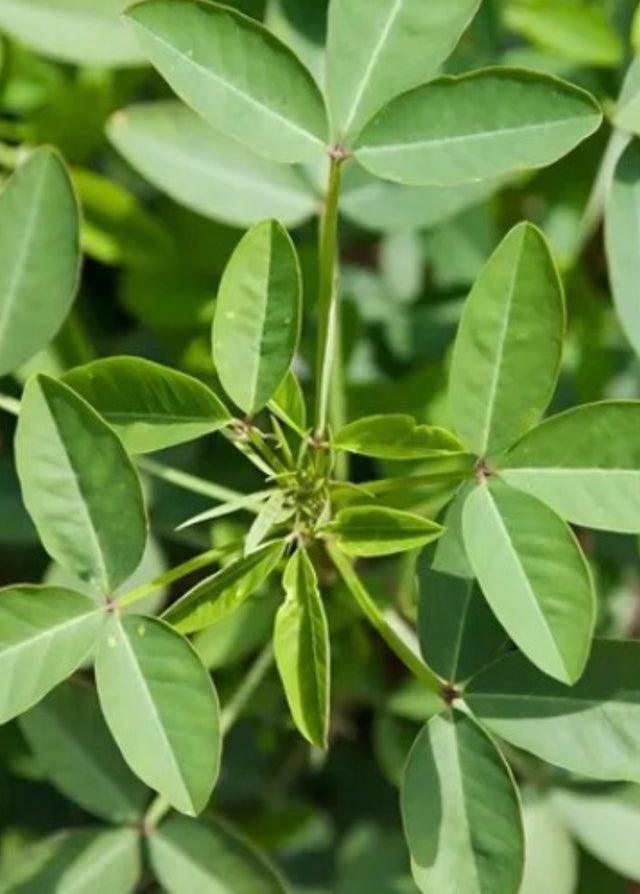
Mexican Mountain Papaya, also known as Bonete, is a fascinating tropical tree native to Mexico and Central America. Unlike common papaya, Jacaratia mexicana is a wild relative with a distinctive growth habit, thick tapered trunk, sparse branching, and large palmate leaves clustered toward the ends of its branches. It is typically deciduous and can reach impressive heights in its native habitat, where it grows in tropical dry and seasonally wet forests. The species is especially prized by collectors for its unusual appearance and its large, deeply ribbed fruits.
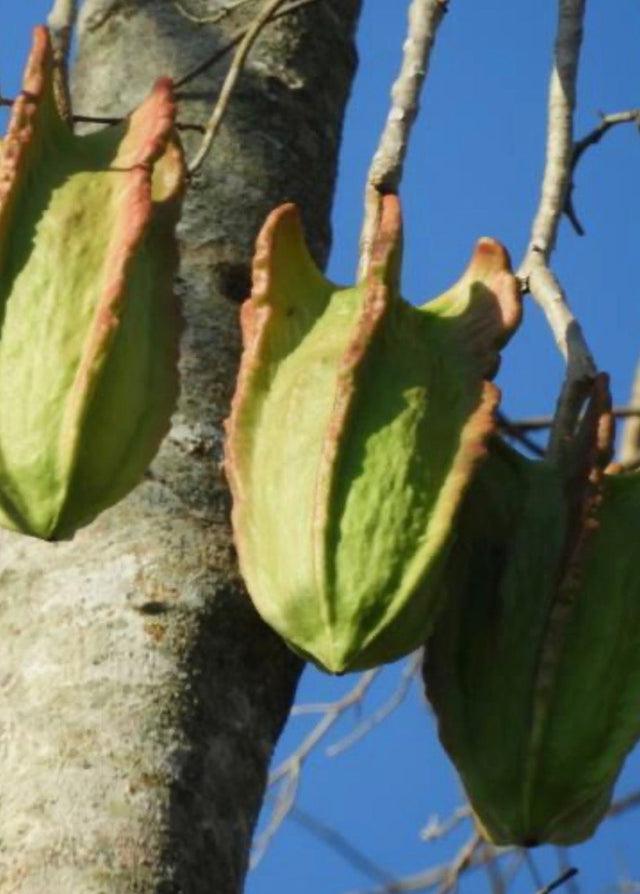
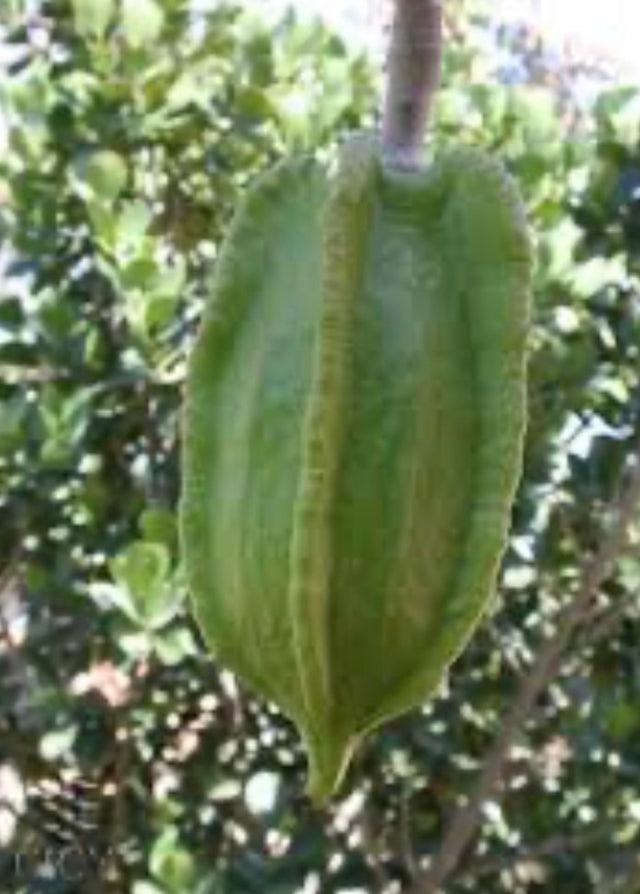
Bonete produces distinctive pendulous fruits with five prominent ribs, giving them a sculptural, almost winged appearance. The fruits mature from green to yellowish or yellow-green and can reach impressive sizes. When ripe, the soft flesh has a mildly sweet, melon-like flavor with delicate papaya notes , while young green fruits have a more starchy, vegetable-like quality and are traditionally cooked. In Mexico, the fruit has traditionally been prepared in soups, sweets, preserves, and refreshing drinks, while the seeds can be toasted and eaten. Its unusual fruit, edible uses, and relationship to cultivated papaya make Bonete a fascinating addition to a tropical fruit collection.
Cultural & Culinary Significance
Bonete has been used as a wild food tree throughout Mexico and Central America. Young fruits may be cooked in soups and savory dishes, while mature fruit can be cooked, made into sweets or preserves, or used in fresh beverages. Traditional uses also include eating the toasted seeds. The fruit's unusual ribbed shape and relationship to papaya make it an especially interesting plant for tropical fruit collectors and those interested in lesser-known edible species.
Why Grow Mexican Mountain Papaya?
-
Produces unusual, deeply ribbed fruits unlike common papaya
-
A rare wild relative of cultivated papaya
-
Large tropical leaves and a distinctive sculptural growth habit
-
Edible fruits with traditional culinary uses in Mexico
-
An exceptional collector's tree for tropical and subtropical gardens
Pollination
A few cultivars are self-fruitful. However, with seedlings, both male and female trees are usually needed, and even self-fruitful cultivars do better with a second male nearby. At this stage in the plant’s growth, there is no way to tell the gender, so we recommend getting multiple plants for the best chances of future fruit.