Rare Tropical Fruit from an Iconic Houseplant
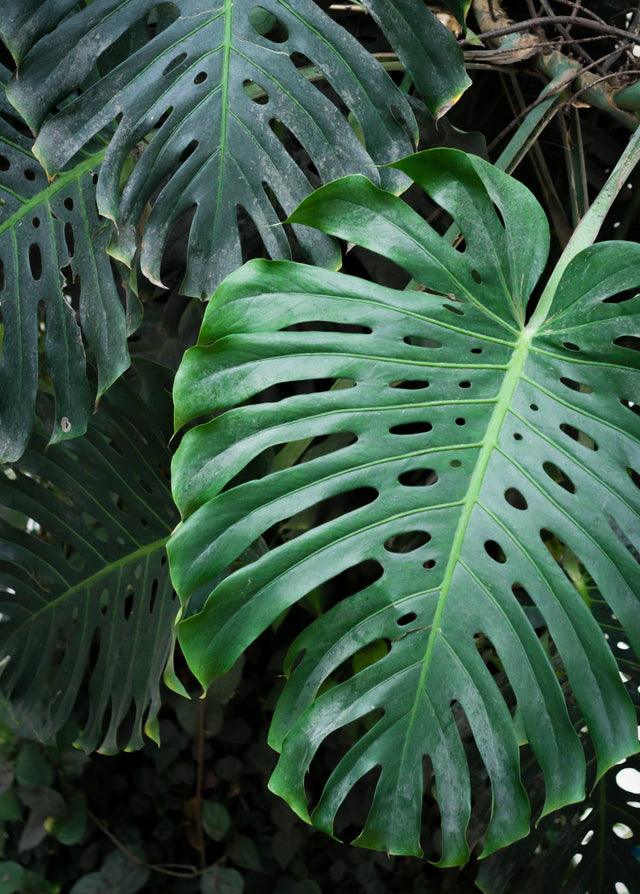
Monstera deliciosa ( Monstera deliciosa ), also known as Swiss Cheese Plant, is a highly ornamental perennial fruiting vine native to tropical Mexico and Central America. Best known for its enormous, naturally perforated leaves, Monstera also produces a rare and delicious tropical fruit with a flavor often described as a combination of mango, banana, and pineapple. Fast-growing and relatively low-maintenance, it makes a striking addition to tropical gardens, food forests, patios, and indoor plant collections.
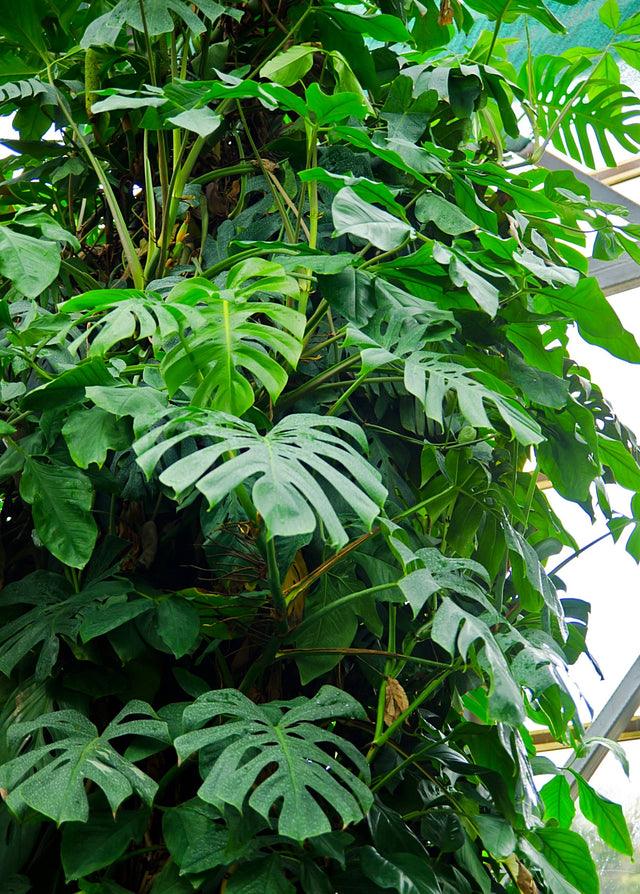
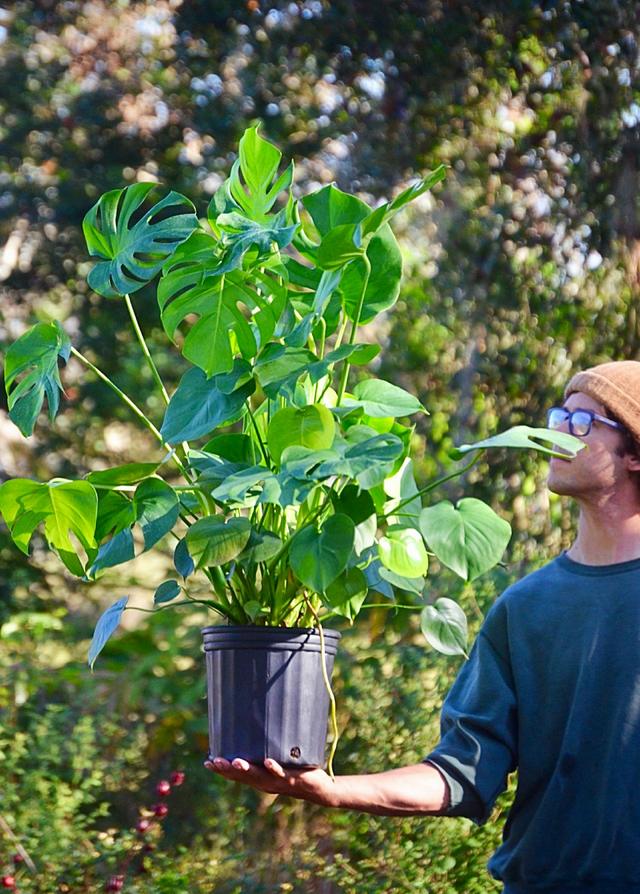
The name Monstera comes from the Latin word for “abnormal,” a reference to its unusual leaf shape and dramatic fenestrations. Glossy green leaves can reach an impressive 2–4 ft. across, and new leaves famously unfurl over just a day or two. Outdoors in a warm, shaded setting, Monstera can thrive for many years, growing in a bushy habit or climbing naturally up large trees and other sturdy supports.
Culinary & Botanical Significance
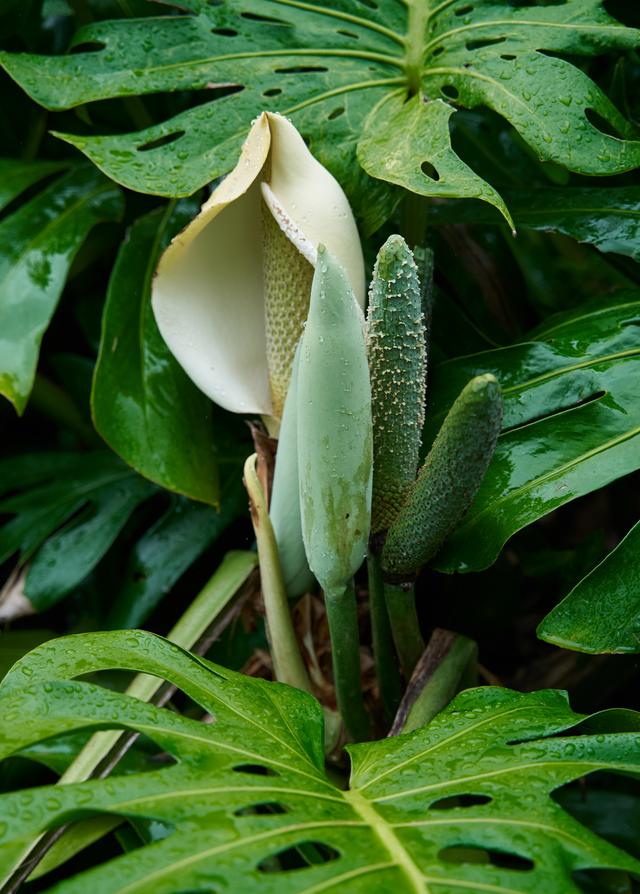
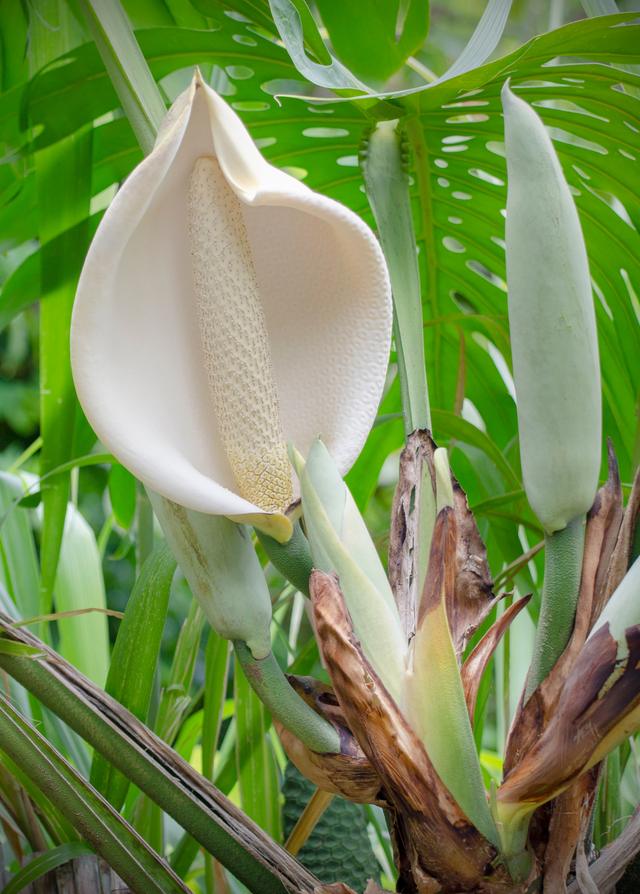
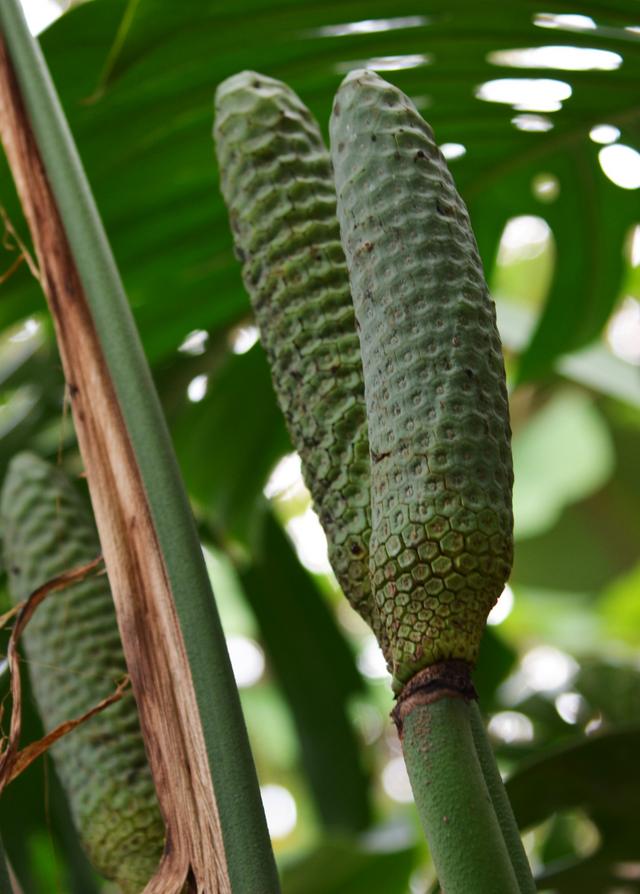
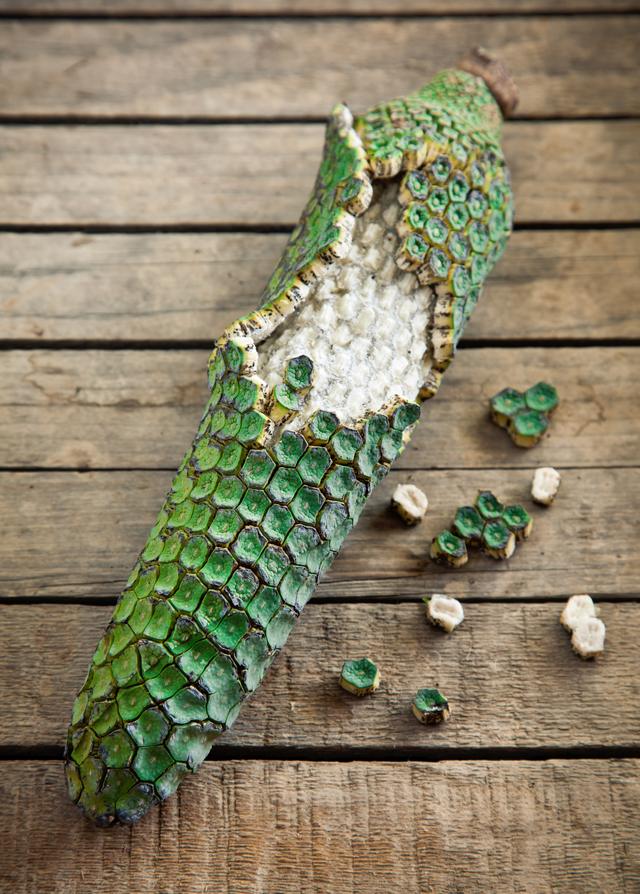
Monstera deliciosa is prized not only for its iconic tropical foliage but also for its uncommon edible fruit. Large white flowers develop into elongated fruits covered in a distinctive, scaly outer shell. As the fruit ripens, the outer covering naturally begins to peel away, revealing the soft, aromatic flesh inside.
The ripe fruit has a uniquely tropical flavor often compared to mango, banana, and pineapple, making it a sought-after addition to an edible landscape. Fruit must be allowed to ripen fully before eating, as unripe fruit contains irritating calcium oxalate crystals.
Why Grow Monstera Deliciosa?
- Grow an iconic tropical plant that doubles as a rare edible fruiting vine.
- Harvest unusual fruit with a delicious flavor reminiscent of mango, banana, and pineapple.
- Enjoy enormous glossy leaves that can reach 2–4 ft. across.
- Watch dramatic new leaves unfurl and develop their signature natural fenestrations.
- Grow it outdoors as a tropical landscape plant or indoors as a str iking houseplant.
How to Eat Monstera Fruit
Monstera fruit must be fully ripened before eating. Place the harvested fruit upright in a glass or container and allow it to ripen naturally for 2–3 days. As it ripens, the inedible outer, scaly shell will naturally begin to peel away, revealing the soft edible interior. Only eat the portion that has fully ripened and separated from the outer shell.