Florida Native Shade Tree with Edible, Wildlife-Friendly Fruit
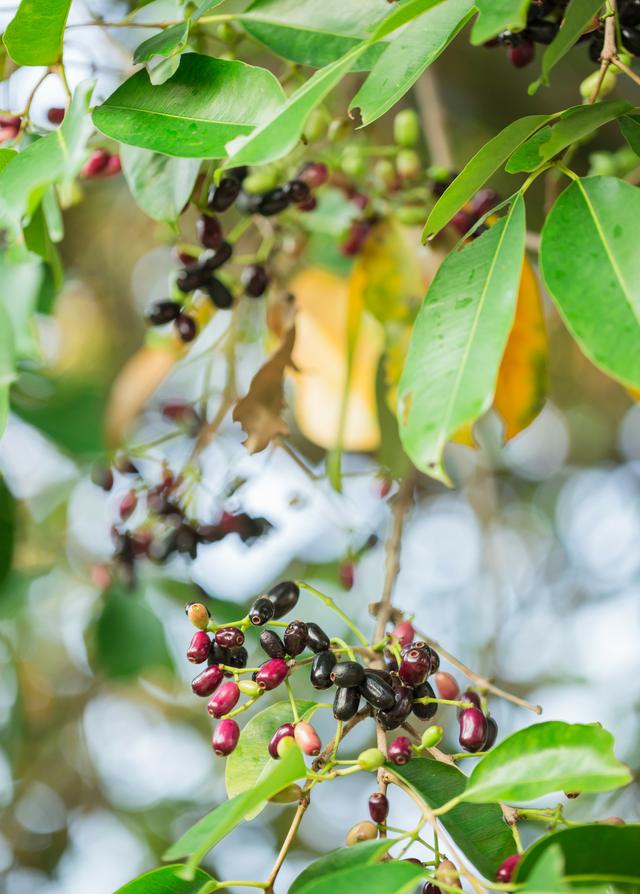
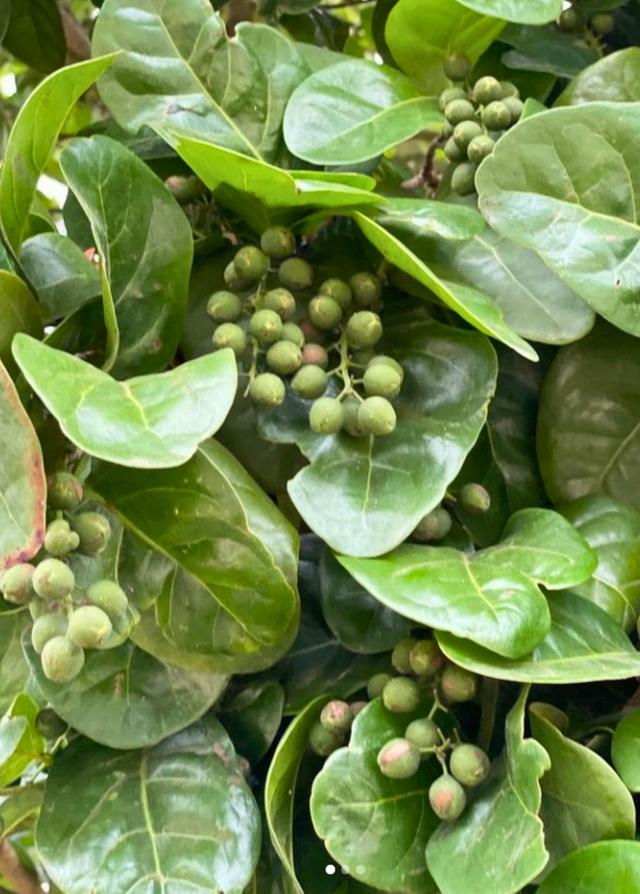
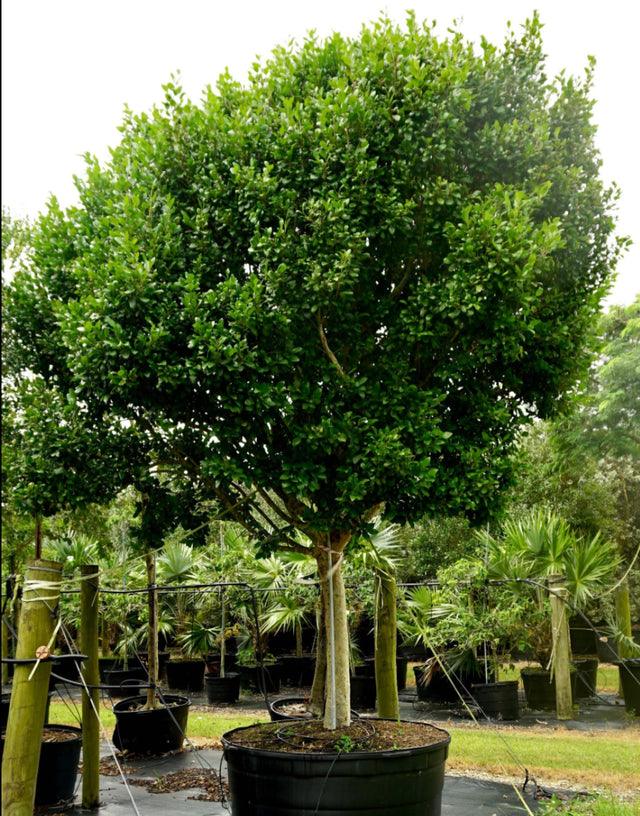
Pigeon Plum (Coccoloba diversifolia) is a hardy, salt- and drought-tolerant native tree found along Florida’s coasts and throughout the Caribbean. A member of the seagrape family, this evergreen tree is prized for its smooth gray bark, glossy green foliage, and clusters of small purple-black fruits. The berries are edible—sweet-tart with a hint of astringency—and can be enjoyed fresh, made into jams, or fermented into wine. True to its name, they are a favorite food source for pigeons and many other birds, making Pigeon Plum an excellent choice for wildlife gardens, food forests, and coastal restoration plantings.
Cultural & Culinary Significance
For centuries, the Pigeon Plum has been valued by coastal communities for both its hardy wood and edible fruit. While small, the fruits are traditionally eaten fresh, dried, or made into jams and wines. In Florida, the tree has cultural importance as a native species used in landscaping, restoration, and as a food source for wildlife. Its resilience to salt spray and drought makes it a staple for sustainable and low-maintenance plantings.
For centuries, the Pigeon Plum has been valued by coastal communities for both its hardy wood and edible fruit. While small, the fruits are traditionally eaten fresh, dried, or made into jams and wines. In Florida, the tree has cultural importance as a native species used in landscaping, restoration, and as a food source for wildlife. Its resilience to salt spray and drought makes it a staple for sustainable and low-maintenance plantings.
Why Grow Pigeon Plum?
- Florida native tree adapted to sandy soils and coastal conditions
- Produces clusters of small edible fruits loved by people and birds
- Evergreen shade tree with attractive bark and foliage
- Excellent for pollinators, wildlife habitat, and food forests
- Tolerates drought, salt spray, and tough growing conditions