Buy One Get One 50% OFF! Add two qualifying varieties + code CITRUSBOGO at checkout.
Common Names: Ponderosa Lemon, American Wonder Lemon, Skierniewice Lemon Family: Rutaceae Origin: USA
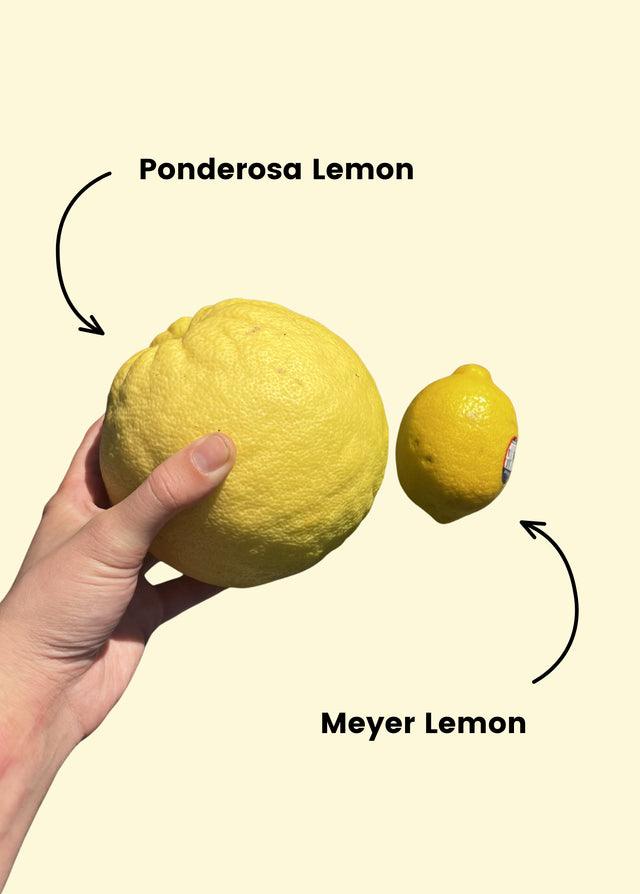
The Ponderosa Lemon (Citrus limon × Citrus medica), also known as the American Wonder Lemon, is a unique citrus variety renowned for its massive fruit size and bold, tangy flavor. This hybrid, a cross between a lemon and a citron, produces lemons that can weigh up to two pounds each, making it a true standout in any garden or orchard. Despite its enormous size, the Ponderosa Lemon retains the intense, zesty flavor that lemon lovers crave, making it perfect for culinary use and as a striking ornamental plant. The heavy-producing Ponderosa Lemon was first discovered in Maryland in 1887. unique purple flowers and gigantic fruit. They’ll grow flowers and fruits simultaneously throughout the year and peak around summer and winter.
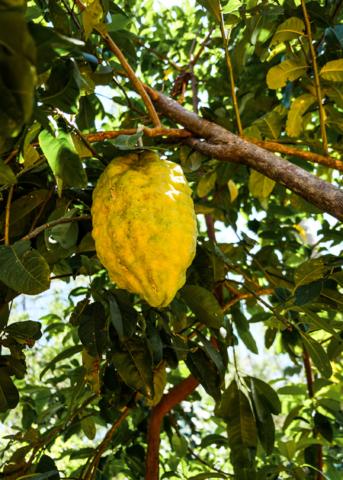
Fruits: Ponderosa Lemons are enormous, often weighing up to two pounds each. The fruit has a thick, bumpy, bright yellow rind that encases juicy, tart flesh with a strong lemon flavor. While the fruit is much larger than typical lemons, it retains the same intense, zesty taste, making it ideal for juicing, cooking, baking, and even making marmalades or lemon preserves. The rind is thick enough to be used in candied lemon peel or zest for baking.
Leaves: The tree features dark green, glossy leaves that are evergreen, providing a lush, vibrant appearance year-round. The foliage is aromatic, releasing a fresh lemon scent when crushed.
Growth Habit: Ponderosa Lemon trees are compact and bushy, typically growing 8-12 feet tall, making them suitable for container growing or small gardens. Despite their modest size, these trees are heavy producers, often yielding an impressive crop of large lemons.