Striking, Tangy Edible Ornamental
Common Names: Cranberry Hibiscus, Red Leaf Hibiscus, African Rosemallow, False Roselle Family: Malvaceae Origin: Tropical Africa
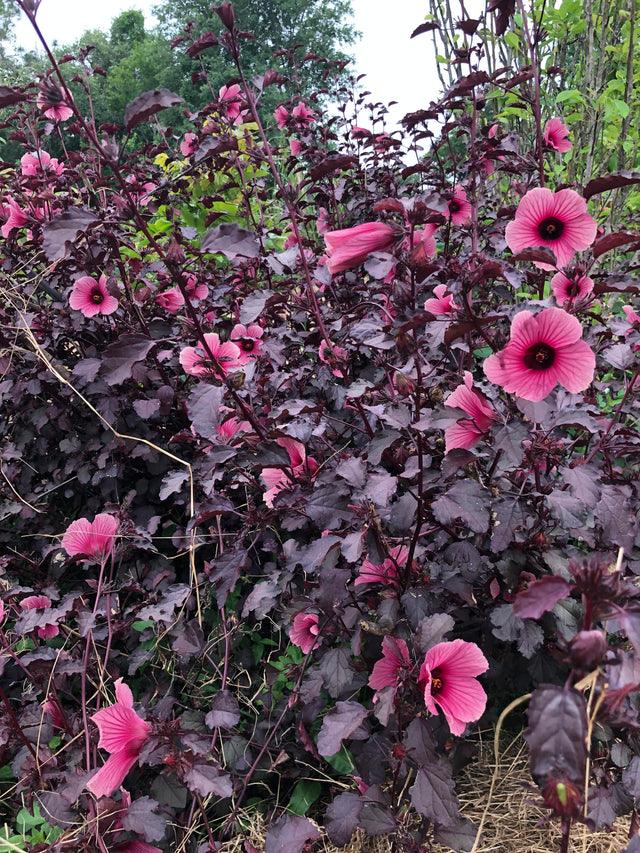
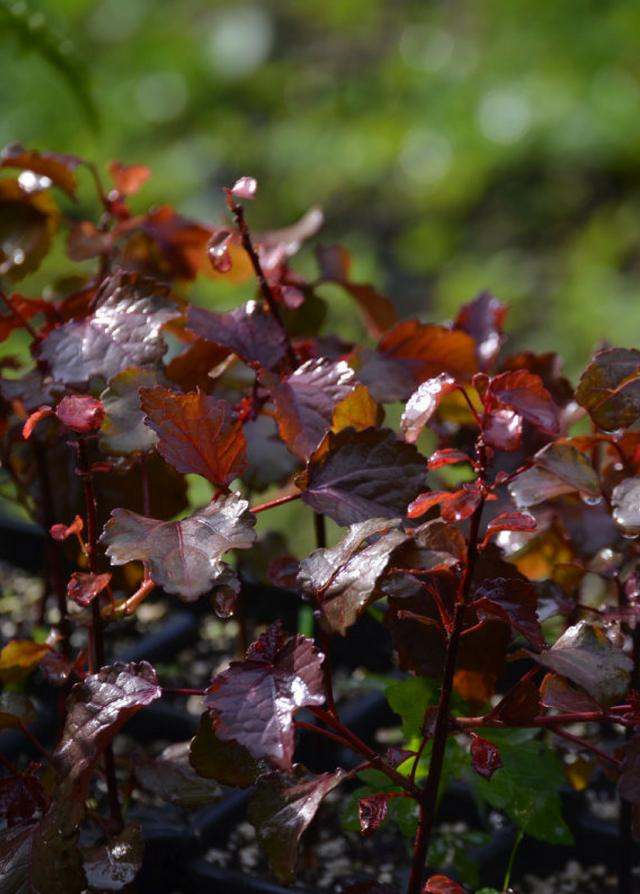
Cranberry Hibiscus (Hibiscus acetosella), also known as Red Leaf Hibiscus or African Rosemallow, is a stunning ornamental plant prized for its deep burgundy, maple-shaped leaves and tangy, lemony flavor. This fast-growing perennial herb is not only attractive but also edible, making it a favorite in both ornamental and edible landscapes. Its leaves are often used in salads, teas, and other culinary dishes, while its beautiful pink to red flowers attract pollinators like bees and butterflies. A versatile plant, Cranberry Hibiscus thrives in warm climates and adds a bold splash of color to any garden.
Distinctive Features, Uses, and Nutritional Value
Foliage: The plant’s deep red to burgundy leaves resemble maple leaves, creating a striking contrast in the garden. These leaves are edible, with a tangy, citrus-like flavor, and are often used in salads, soups, and teas.
Flowers: Cranberry Hibiscus produces small, hibiscus-like flowers in shades of pink to deep red, which bloom from late summer to fall. While the flowers are short-lived, they add to the plant’s ornamental appeal.
Growth Habit: This fast-growing, shrubby plant can reach up to 4-6 feet tall and 3-4 feet wide, making it ideal for hedges, borders, or as a focal point in edible landscapes.
Culinary and Medicinal Uses
The tart, lemony leaves of Cranberry Hibiscus are commonly used in fresh salads, teas, and as a tangy garnish for various dishes. The leaves are rich in antioxidants, particularly anthocyanins, which contribute to their deep red color. They also provide vitamin C and other nutrients, making them a healthy addition to the diet. The flowers can also be used to make refreshing herbal teas, similar to other hibiscus varieties.