Buy One Get One 50% OFF! Add two qualifying varieties + code CITRUSBOGO at checkout.
Common Names: Satsuma Mandarin, Satsuma Orange, Unshu Mikan Family: Rutaceae Origin: Japan
The Satsuma Mandarin (Citrus unshiu) is a beloved citrus variety known for its sweet, seedless, and easy-to-peel fruit. Originating in Japan, the Satsuma has become a favorite among citrus enthusiasts worldwide for its delightful flavor, tender flesh, and low acidity. This cold-tolerant mandarin is perfect for fresh eating, juicing, and adding to a variety of recipes, making it a must-have for any home gardener or citrus lover.
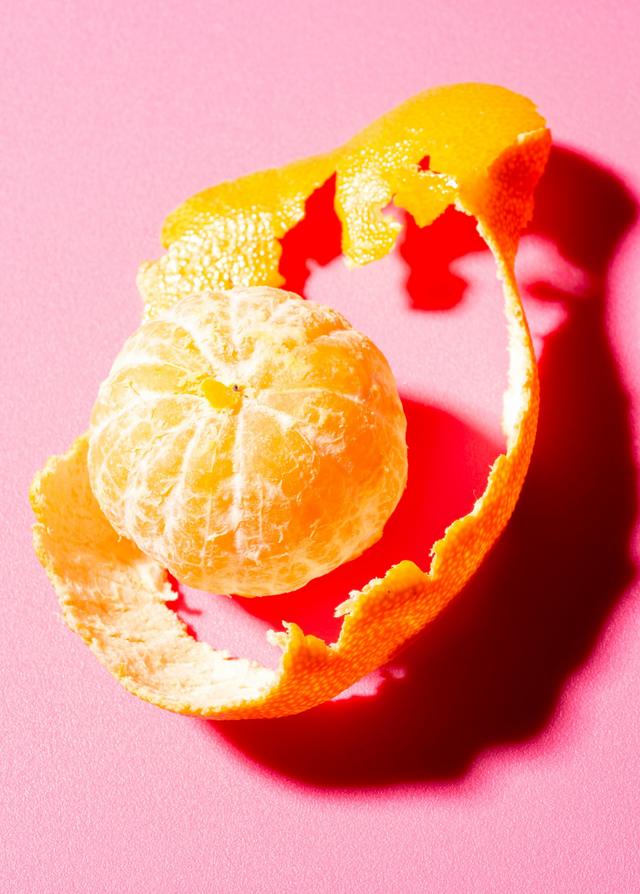
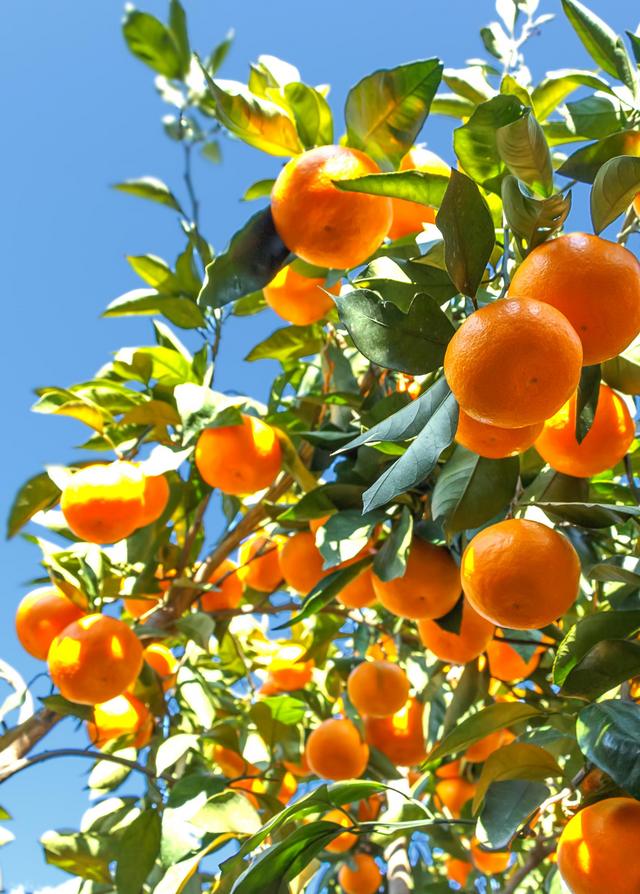
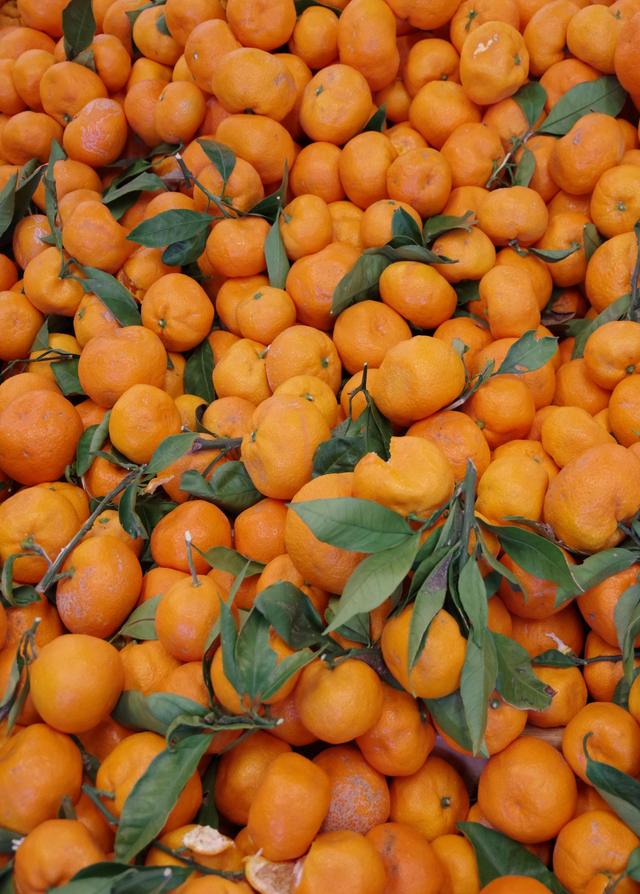
Fruits: Satsuma Mandarins are small to medium-sized, with a thin, bright orange skin that is smooth and easy to peel. The flesh inside is tender, juicy, and virtually seedless, with a sweet flavor and a hint of tartness. The low acidity makes Satsumas particularly popular with children and those who prefer milder citrus flavors. They are perfect for snacking, adding to fruit salads, or juicing. Their easy-to-peel nature and lack of seeds make them convenient for fresh eating on the go.
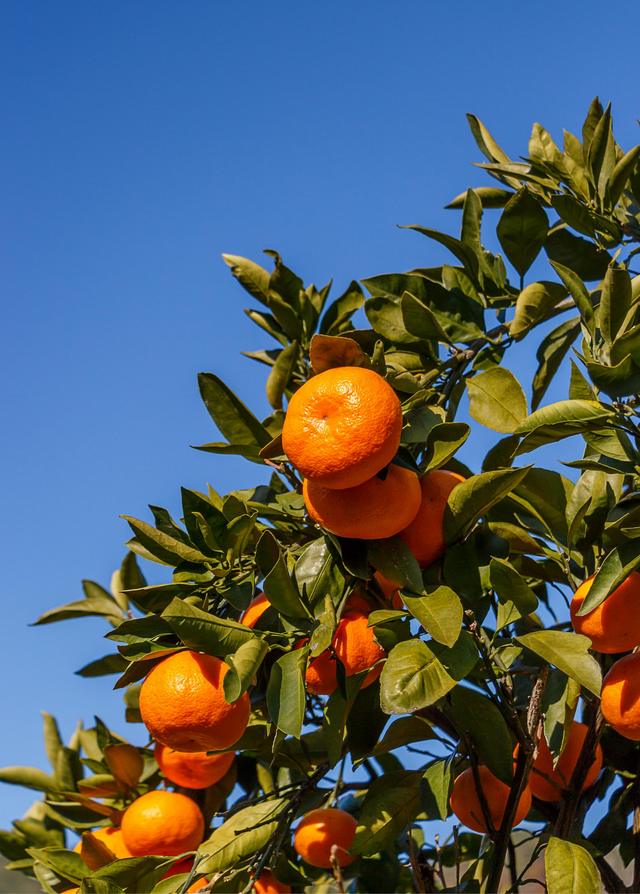
Leaves: The tree features dark green, glossy leaves that are evergreen, adding a lush, vibrant appearance to any garden or landscape. The foliage is aromatic, releasing a fresh citrus scent when crushed.
Growth Habit: Satsuma Mandarin trees are compact and bushy, typically growing 8-12 feet tall, making them suitable for small gardens, containers, or as ornamental shrubs. They are known for their cold tolerance and can survive temperatures as low as 15°F, making them ideal for regions with cooler winters. The tree is highly productive, often yielding an abundant harvest in late fall to early winter.