
Sacred and Mystical Vine
Common Names: Shaman’s Morning Glory, Ololiuqui, Snake Plant, Rivea Corymbosa Family: Convolvulaceae Origin: Central and South America, Mexico
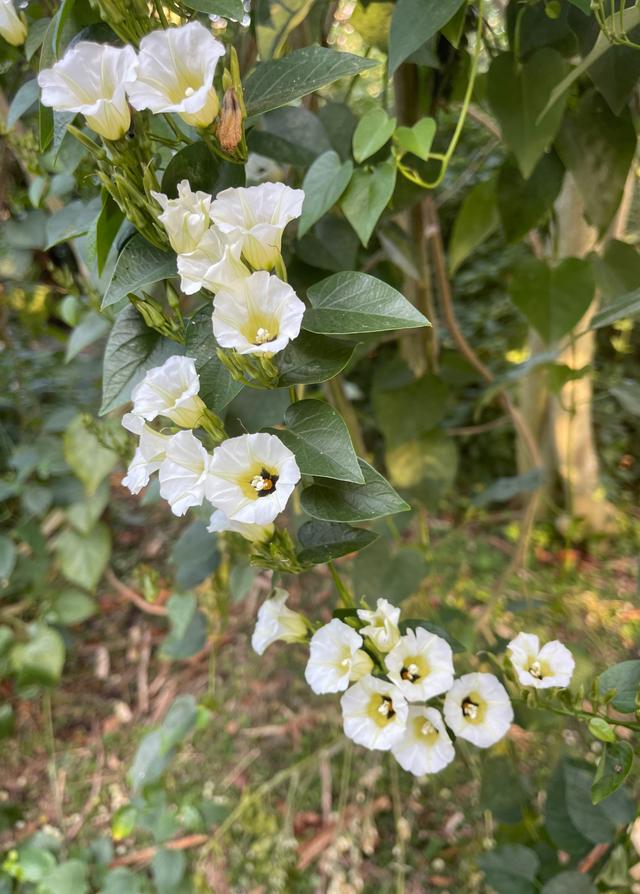
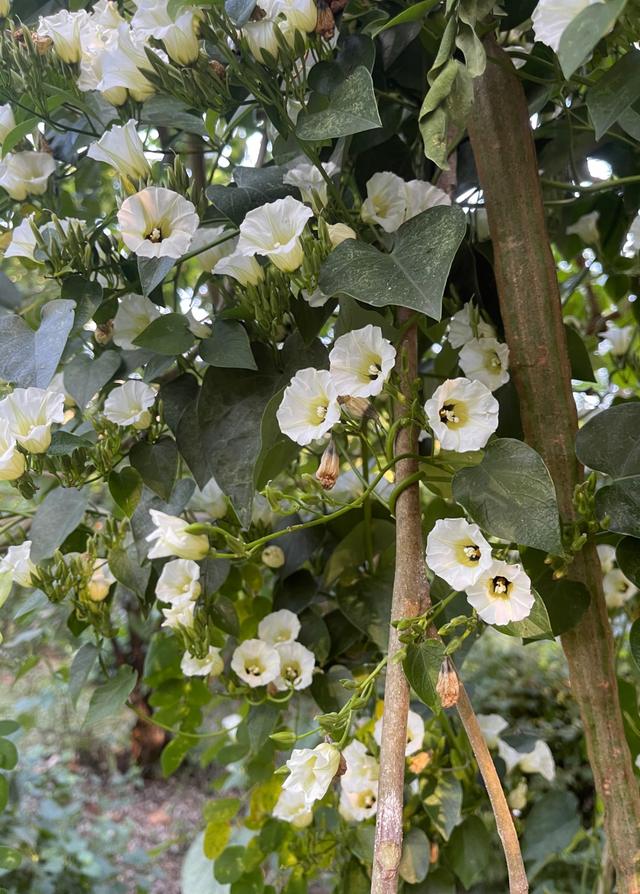
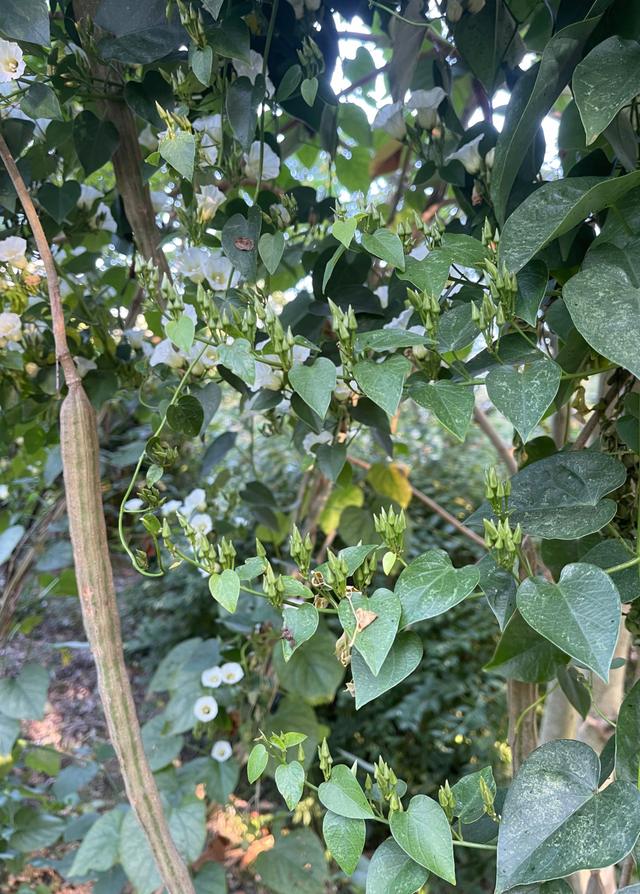
Shaman’s Morning Glory (Ipomoea corymbosa), also known as Ololiuqui, is a mystical vine revered for its spiritual significance among indigenous cultures in Central and South America, particularly the Aztec and Mayan civilizations. The seeds of this vine contain psychoactive alkaloids and have been traditionally used by shamans and healers in spiritual rituals and medicinal practices. While known for its sacred uses, the plant is also appreciated for its beautiful heart-shaped leaves and striking white or pale blue morning glory flowers that bloom during the day.
Distinctive Features, Uses, and Cultural Significance
Seeds: The seeds of Ololiuqui are small, round, and brown, containing psychoactive compounds such as lysergic acid amide (LSA). These seeds were historically used in shamanic rituals for their hallucinogenic effects, believed to provide insight, healing, and connection to the spiritual world.
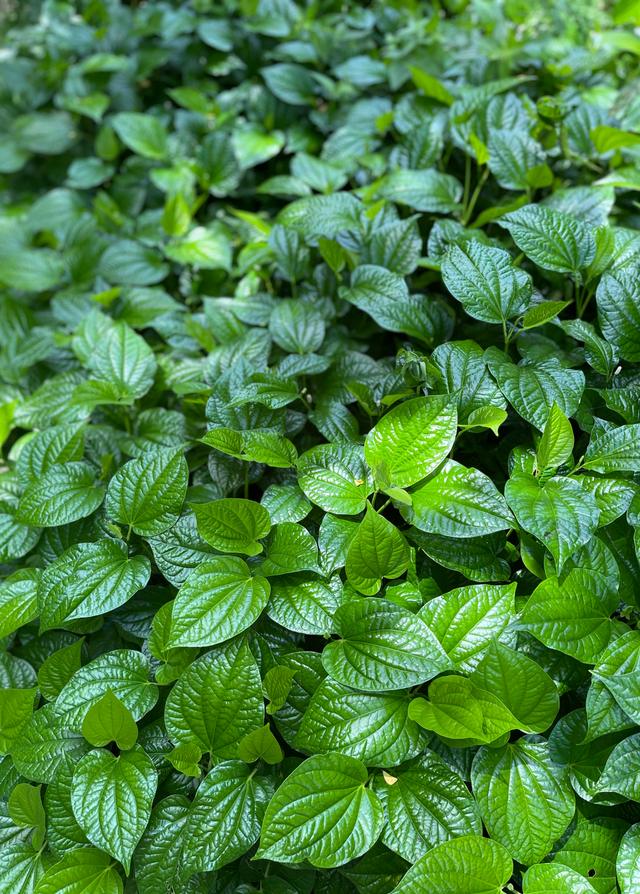
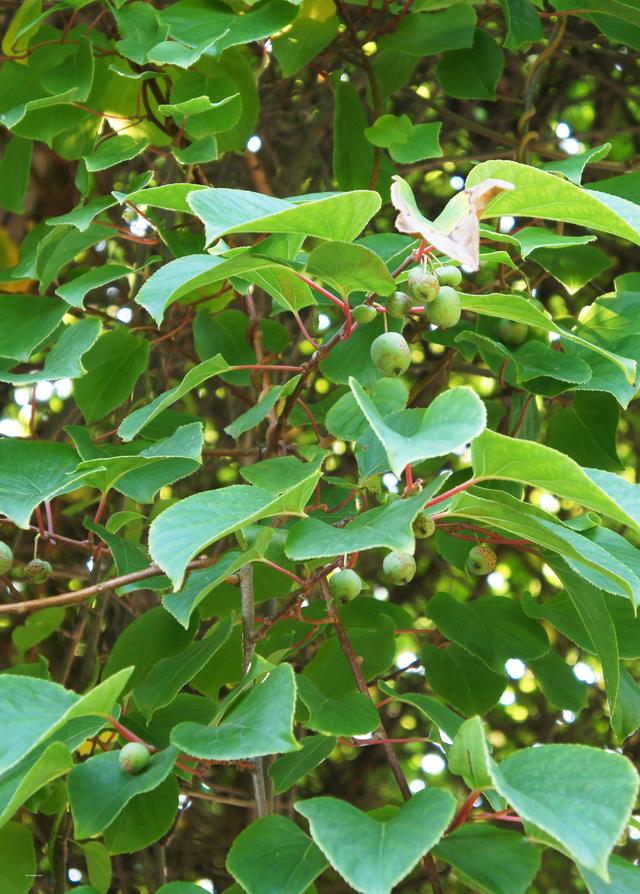
Flowers and Foliage: The vine produces small, white to pale blue trumpet-shaped flowers, typical of morning glory species, along with attractive, heart-shaped green leaves. The flowers open during the day, adding beauty to trellises, fences, or pergolas.
Growth Habit: Ipomoea corymbosa is a vigorous, twining vine that can grow up to 10-20 feet long, making it ideal for covering vertical structures in tropical or subtropical gardens.
Spiritual and Medicinal Uses
Ololiuqui has deep spiritual roots in Mesoamerican cultures, where the seeds were used in religious ceremonies to induce visions and communicate with the gods. In traditional medicine, the seeds were also used as a remedy for various ailments, including pain relief, fever reduction, and to treat headaches. While modern research on its medicinal properties is limited, the plant continues to be revered for its historical and cultural significance.
(syn. Turbinia corymbosa, Rivea corymbosa)