Sweet-Tangy Fruit with Jelly-Like Flesh
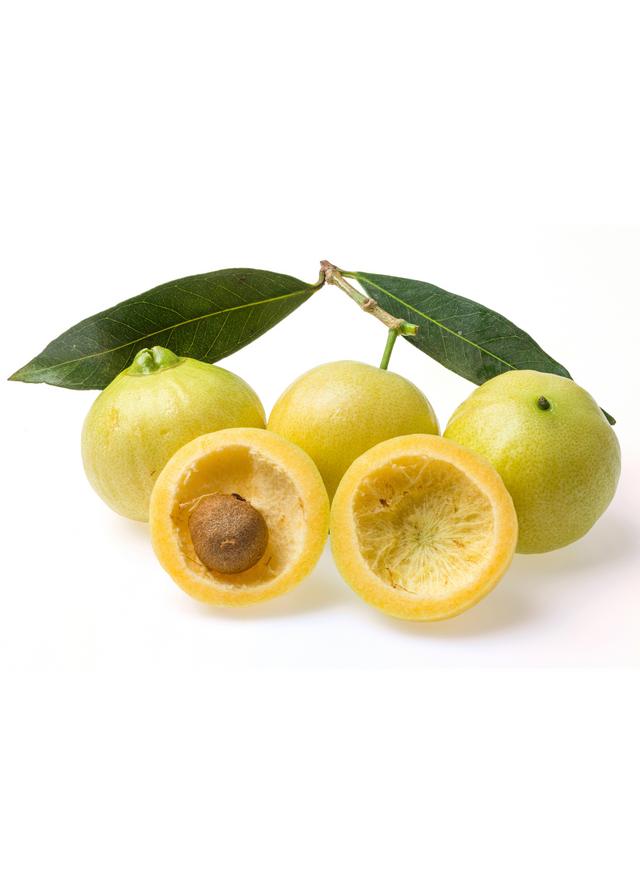
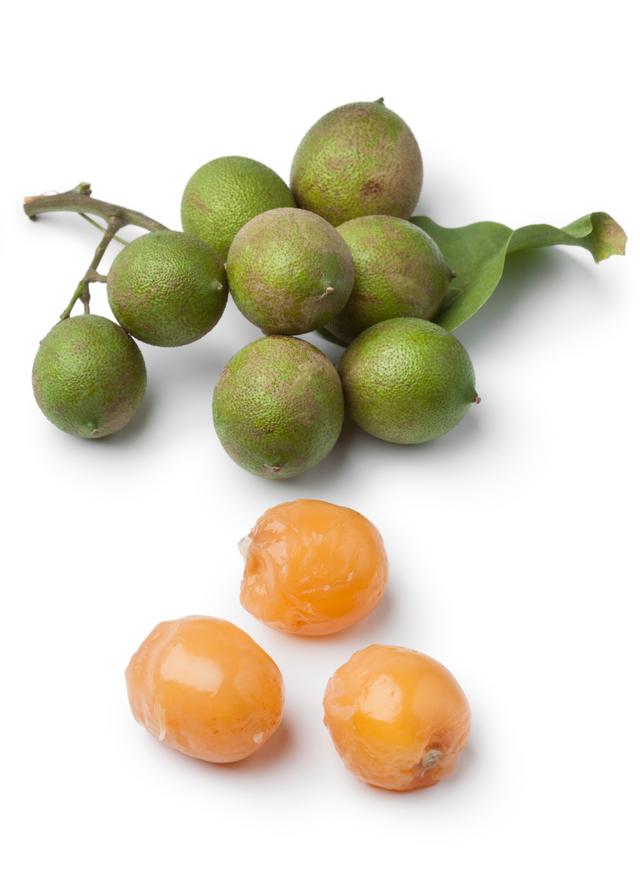
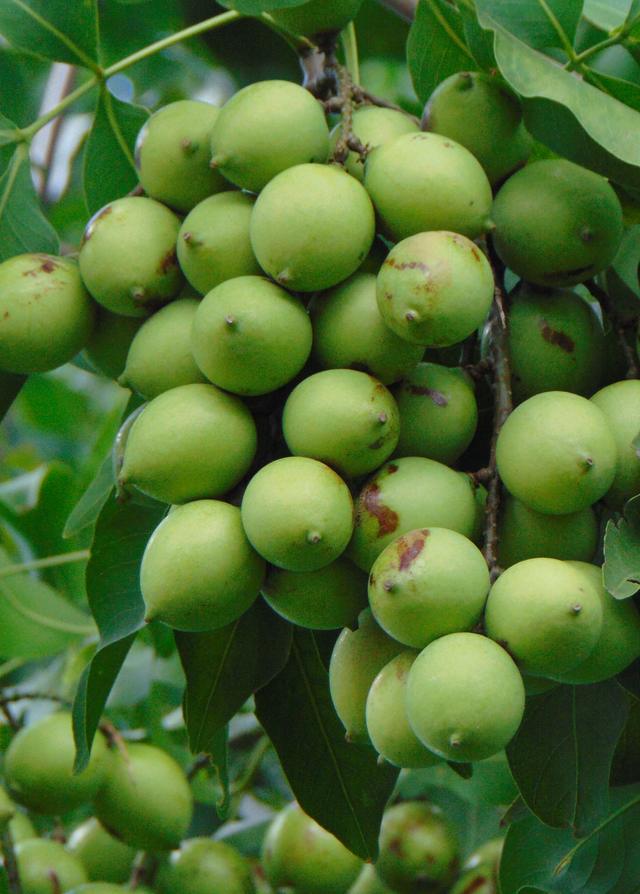
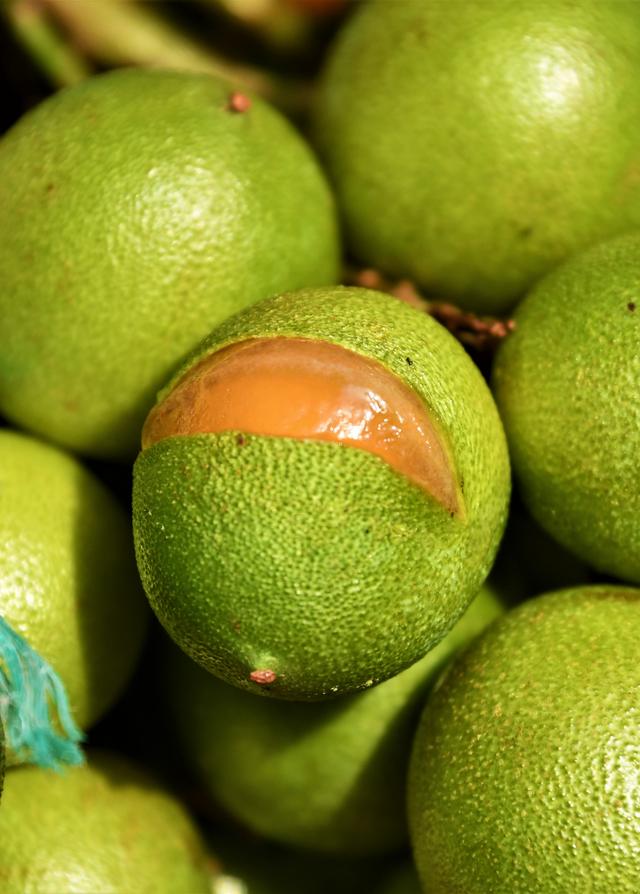
Spanish Lime (Melicoccus bijugatus) is a tropical fruit tree native to the Caribbean, Central America, and northern South America. It produces small, round green fruits with orange to yellowish flesh that has a sweet, tangy flavor and jelly-like texture similar to lychee or longan. The glossy green foliage and rounded canopy also make it a beautiful tropical landscape tree.
Cultural & Culinary Significance
Also known as Quenepa, Mamoncillo, Genip, and Kenep, Spanish Lime is widely loved throughout the Caribbean and Latin America, where the fruit is commonly enjoyed fresh as a snack or street food. The pulp can also be used in juices, jams, desserts, and fermented beverages. In traditional medicine, the bark and leaves have been used for digestive issues, blood pressure, and respiratory ailments.
Why Grow Spanish Lime?
- Produces sweet-tangy fruit with juicy, jelly-like flesh
- Beautiful glossy foliage creates a lush tropical canopy
- Delicious fresh or used in drinks, jams, desserts, and more
- Beloved fruit throughout the Caribbean and Latin America
- Makes a striking addition to tropical food forests and landscapes
Pollination
A few cultivars are self-fruitful. However, with seedlings, both male and female trees are usually needed, and even self-fruitful cultivars do better with a second male nearby. At this stage in the plant’s growth, there is no way to tell the gender, so we recommend getting multiple plants for the best chances of future fruit.