How nitrogen fixing works
Most nitrogen fixing plants are legumes. Their roots host bacteria that take nitrogen from the air and turn it into a form plants can use. When you cut the plant back, some of that nitrogen is released into the soil around it, feeding nearby fruit trees.
Nitrogen fixers to plant
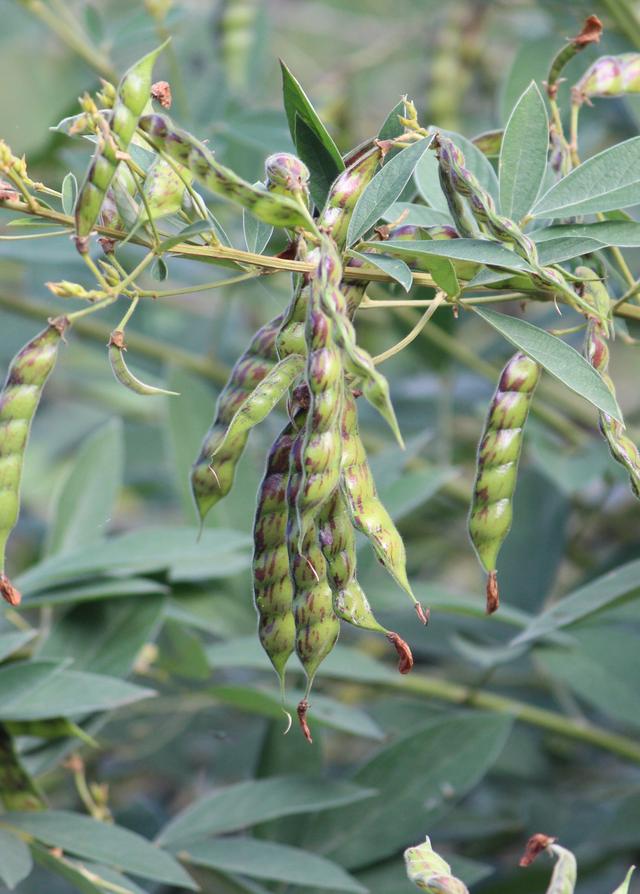
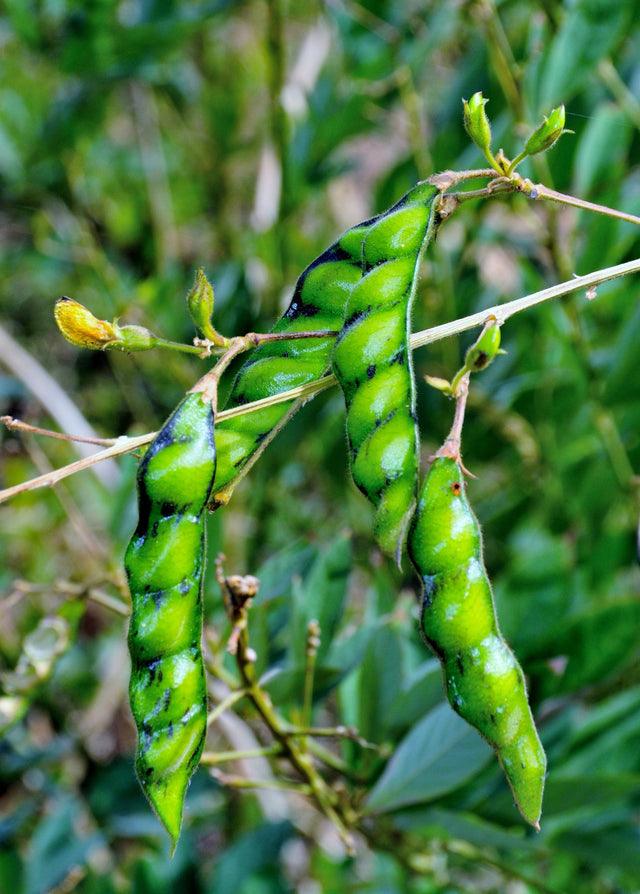
- Pigeon pea: a fast shrub with edible peas, ideal for chop-and-drop mulch.
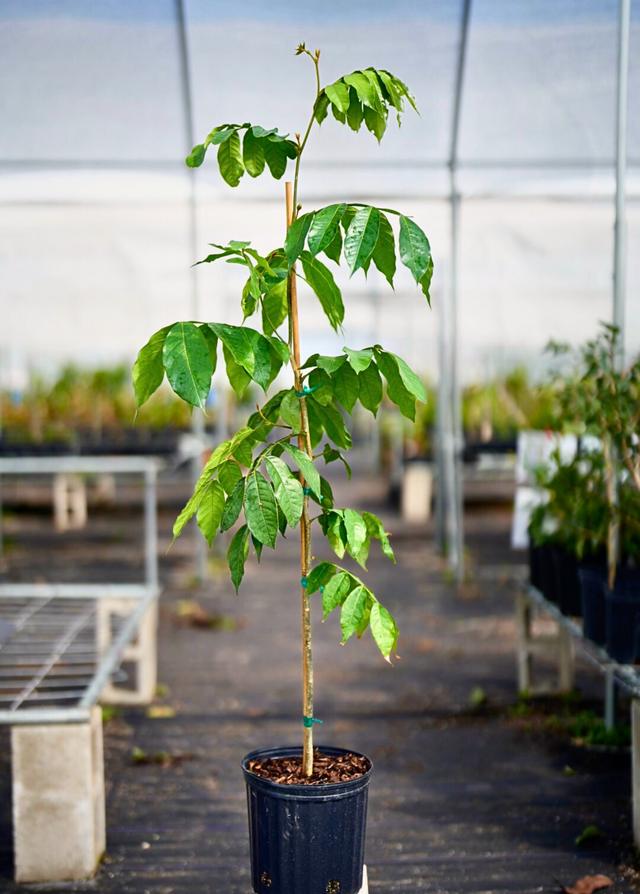
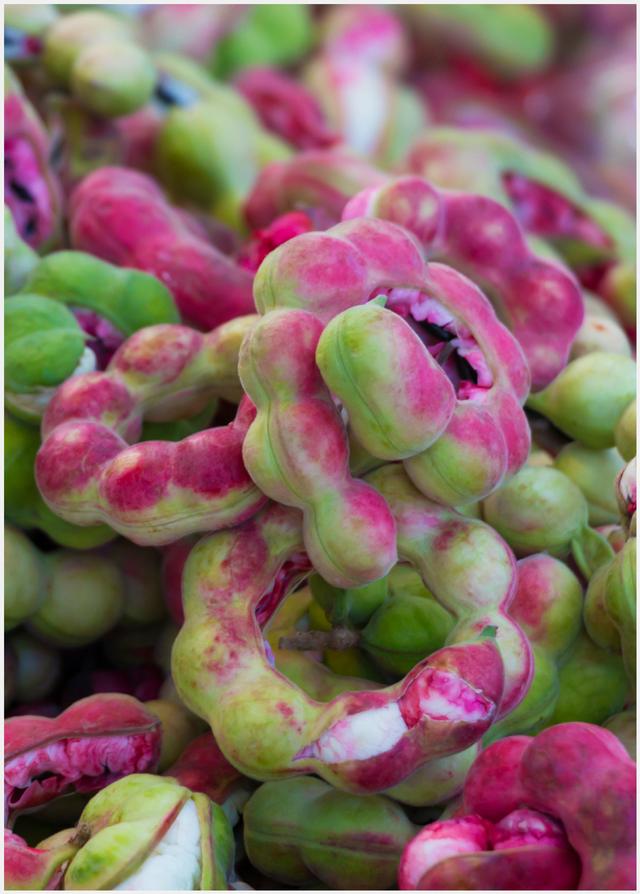
- Ice cream bean (Inga): a canopy-forming tree with sweet edible pods.
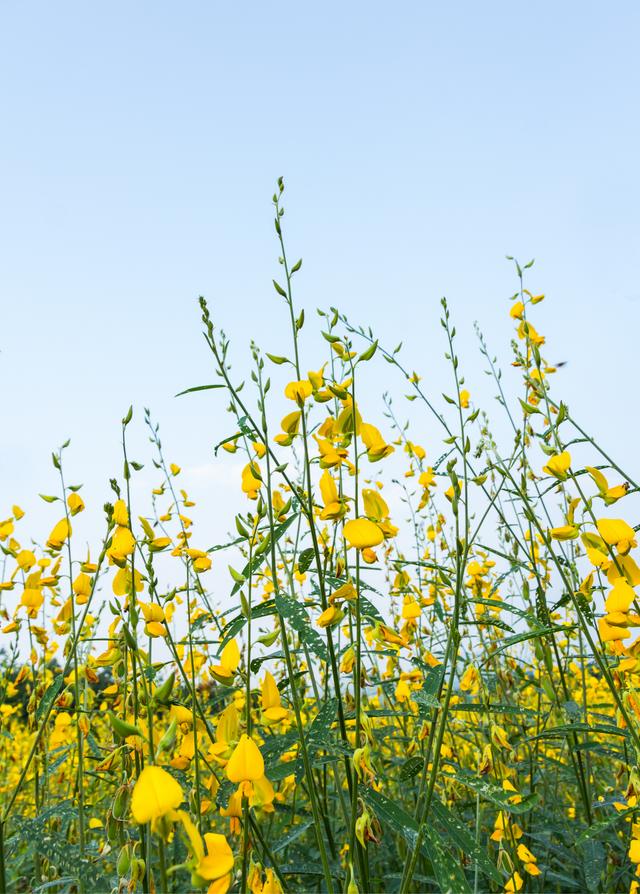
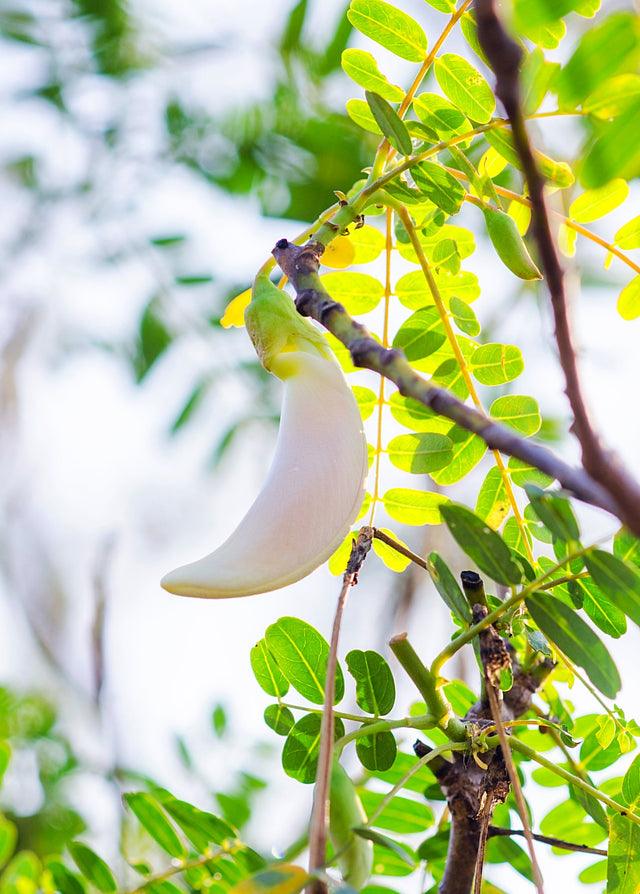
- Sesbania (hummingbird tree): a fast tree with edible flowers.
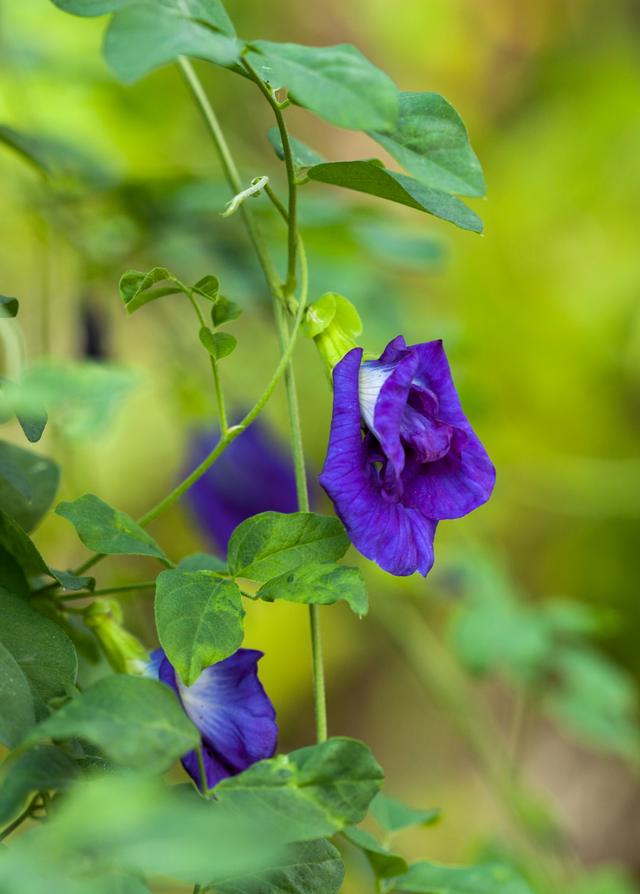
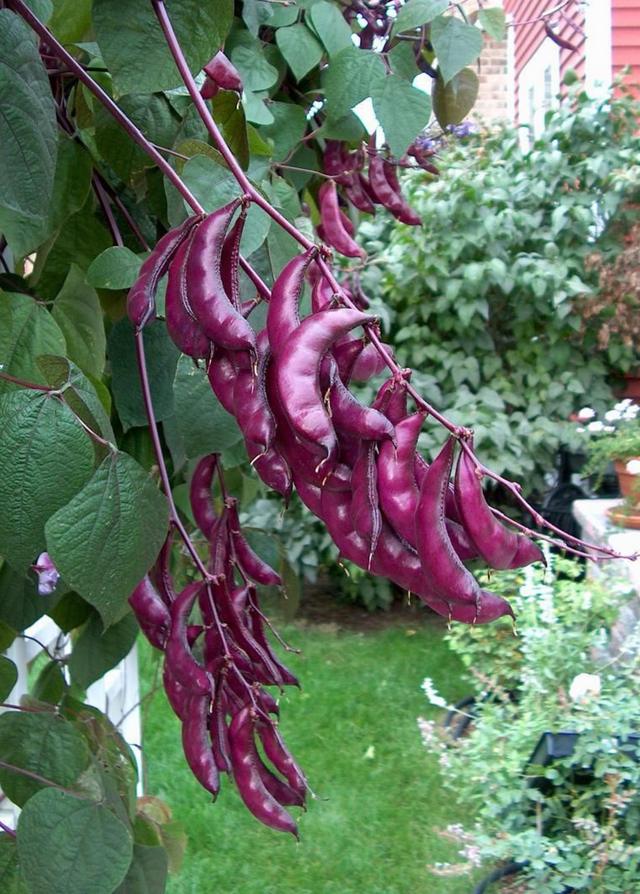
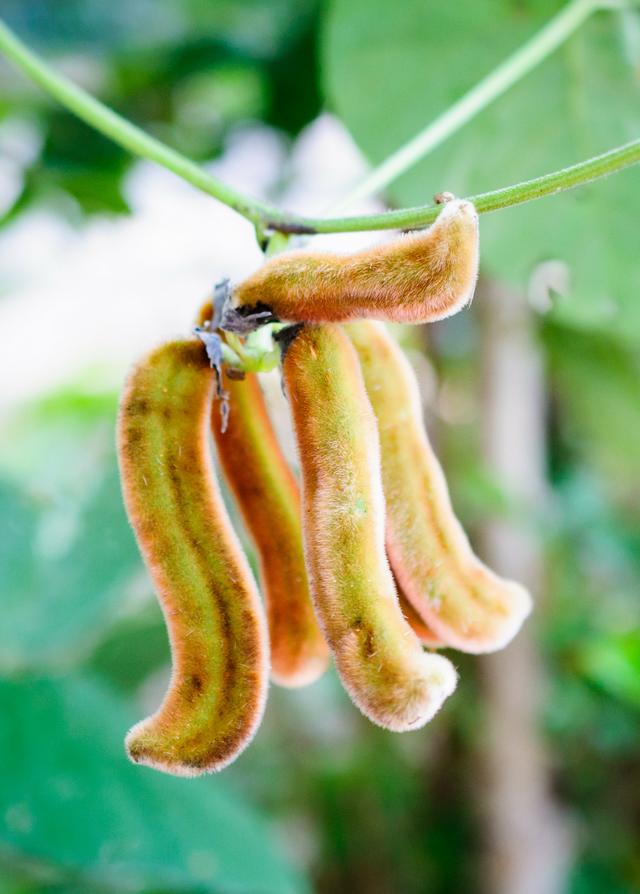
- Butterfly pea, winged bean and lablab: vines with edible flowers, pods or beans.
- Jicama: an edible root from a climbing legume.
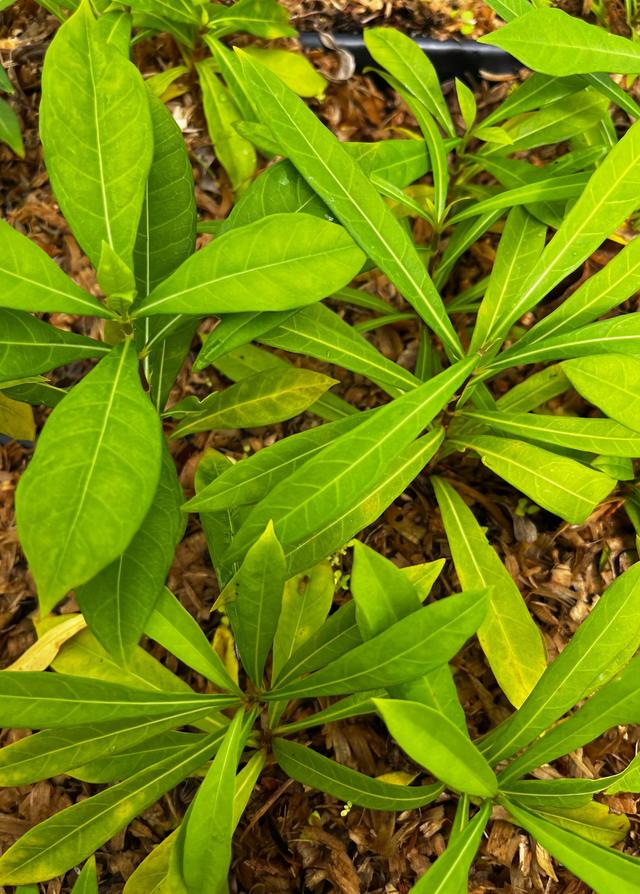
- Chipilín: a Central American leafy green.
- Desmodium: a low groundcover between larger plants.
Using them in a food forest
Plant nitrogen fixers close to young fruit trees, roughly one for every one or two trees at the start. Cut them back hard a few times a year and drop the trimmings as mulch. As the fruit trees grow, remove the support plants to give the trees more light.