What is a food forest?
A food forest is a garden designed like a young woodland, where every layer of plants produces something useful: fruit, nuts, greens, herbs, roots or mulch. Once established it needs far less weeding, watering and replanting than a vegetable bed, because the plants shade the soil, feed each other and fill every niche.
You don't need acres. A single fruit tree surrounded by berries, herbs and groundcovers is a food forest in miniature, often called a guild.
The seven layers
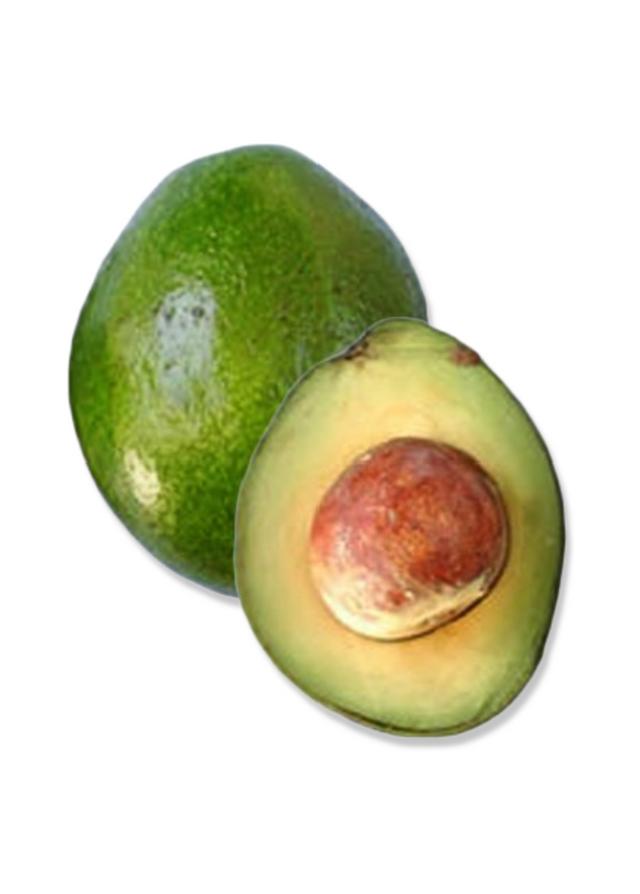
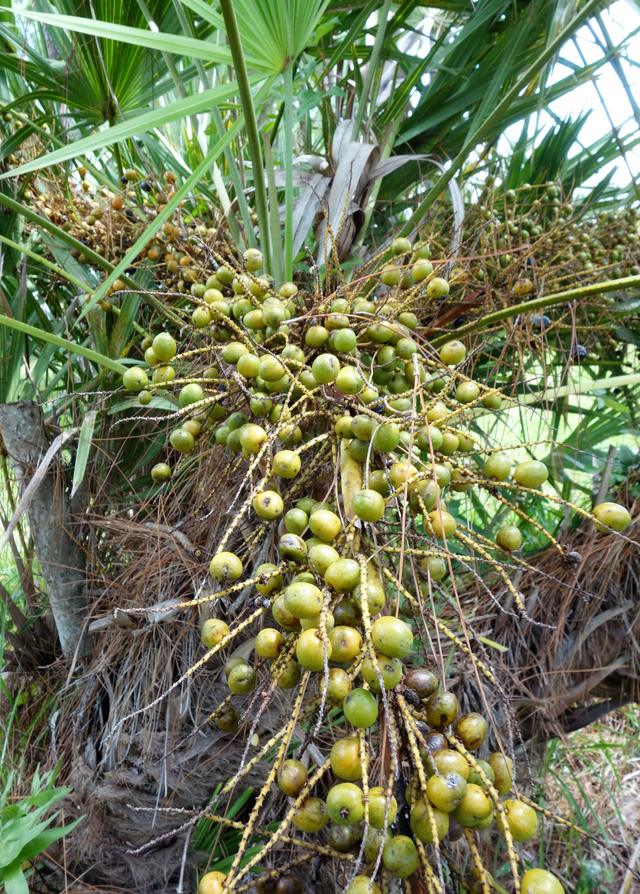
- Canopy: the tallest fruit and nut trees, such as mango, avocado, jackfruit and sapodilla.
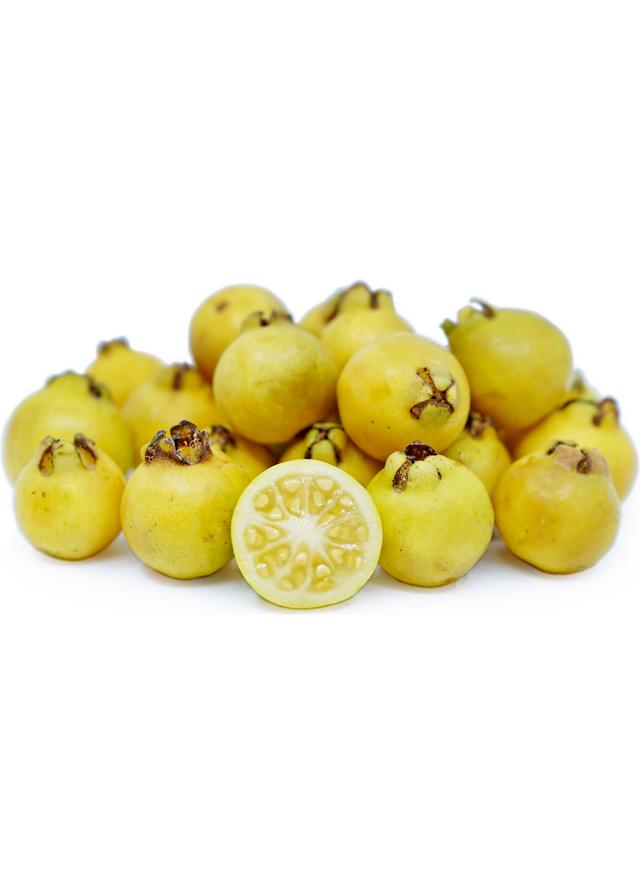
- Understory: smaller trees and shrubs that handle dappled light, such as mulberry, guava, Barbados cherry and coffee.
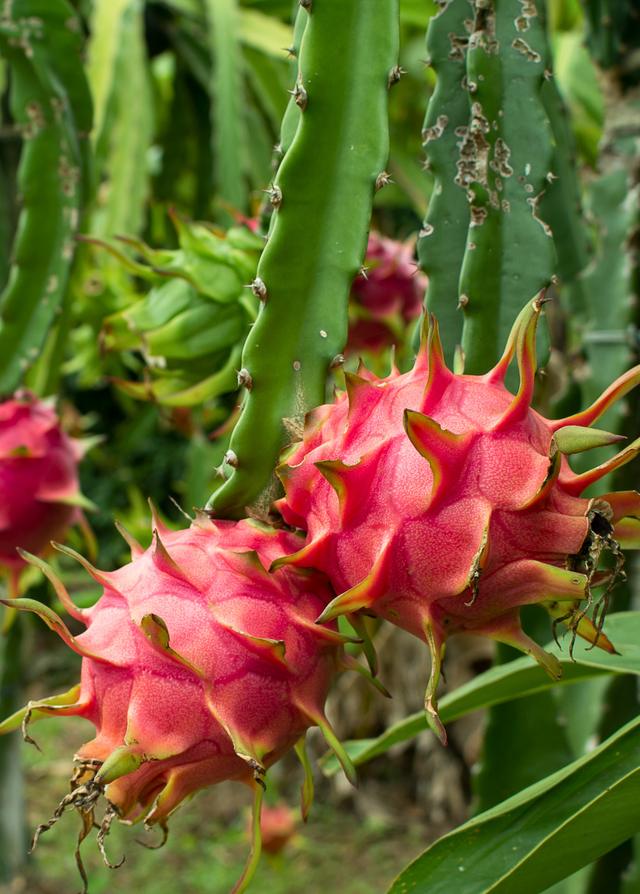
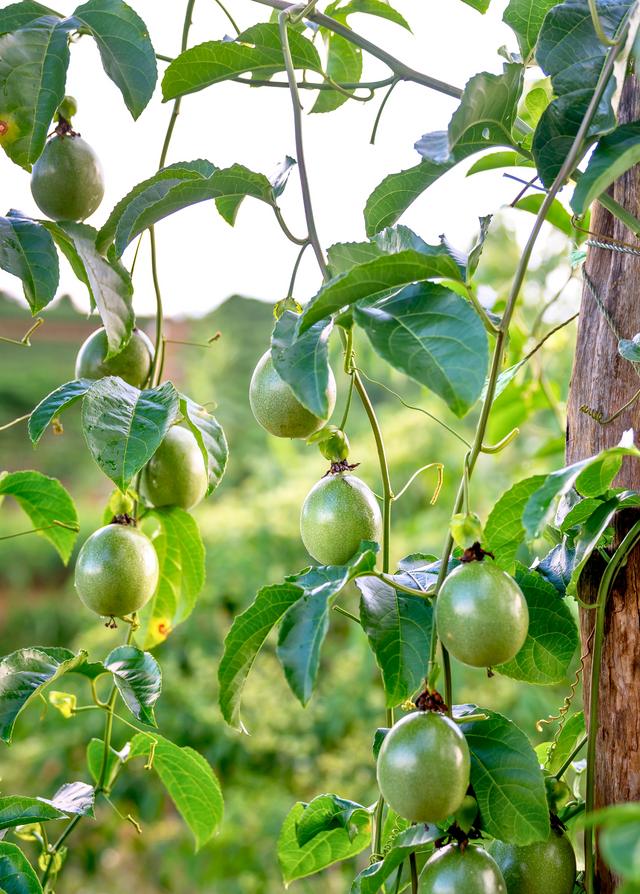
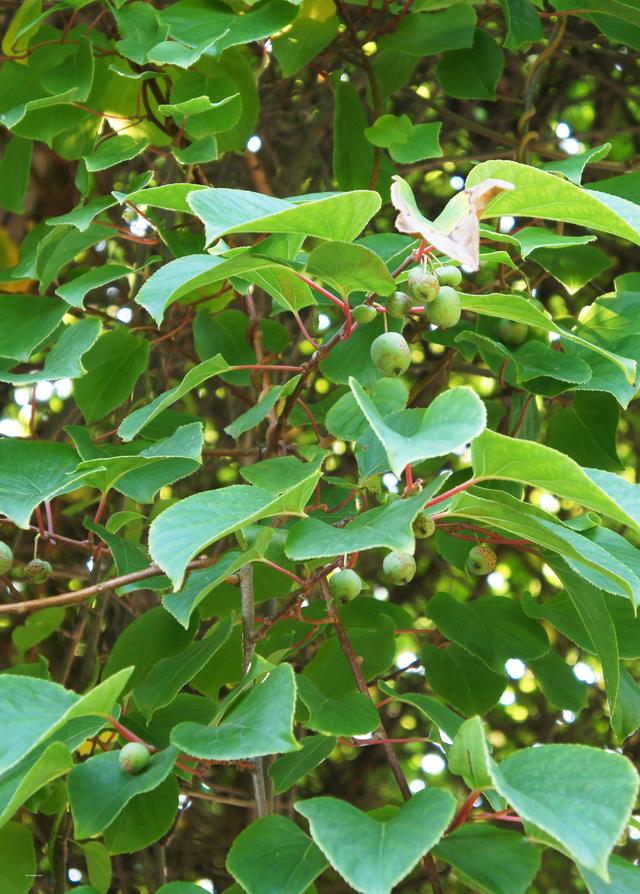
- Vine: climbers that use vertical space, such as passion fruit, dragon fruit, black pepper and grapes.
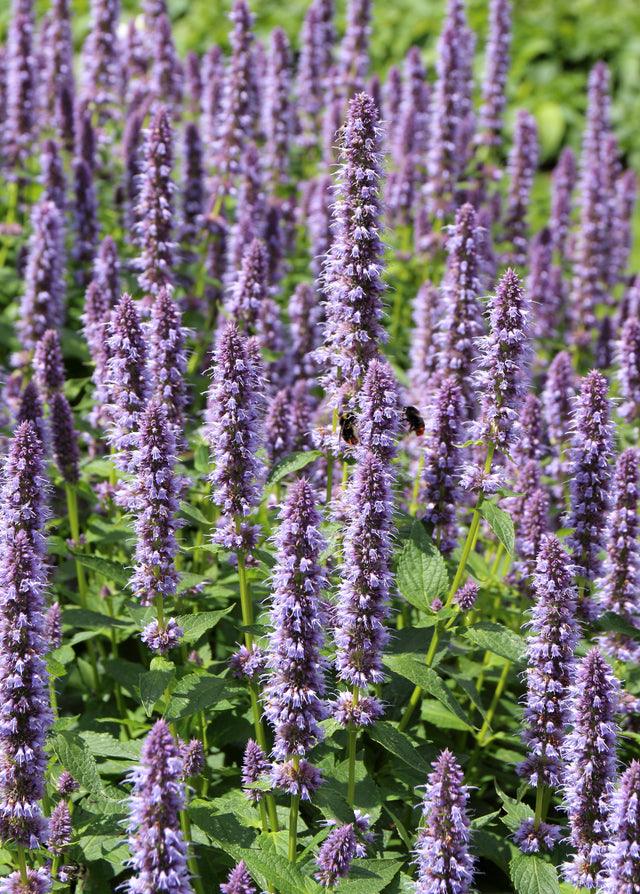
- Herbaceous: soft-stemmed herbs and perennial greens, such as tulsi, lemongrass, katuk and chaya.
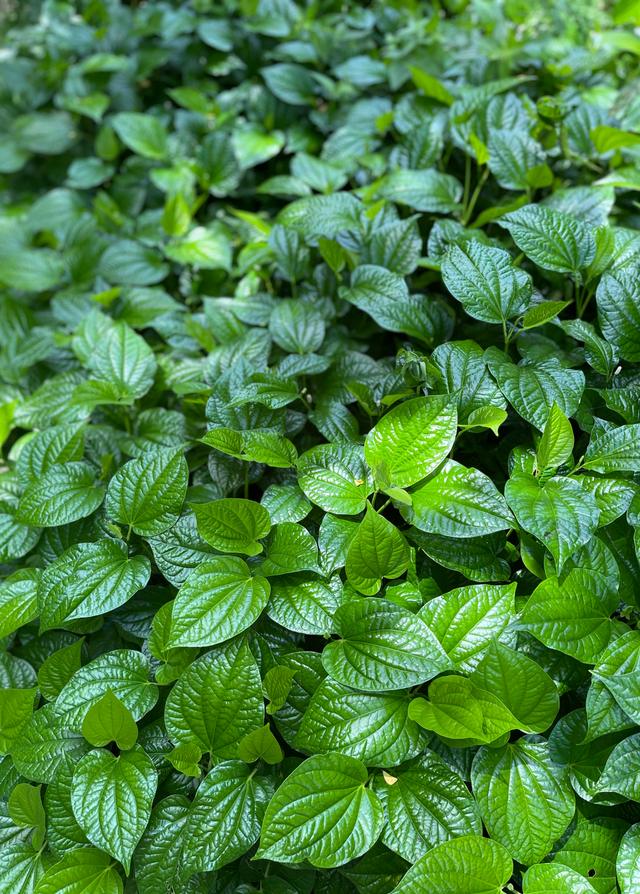
- Groundcover: low plants that cover and protect the soil, such as sweet potato, sissoo spinach and lolot.
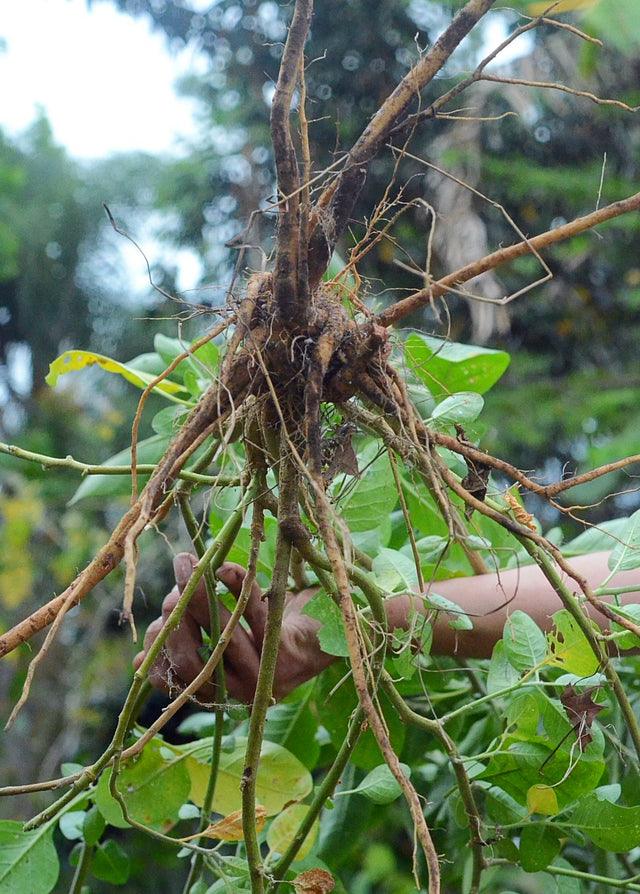
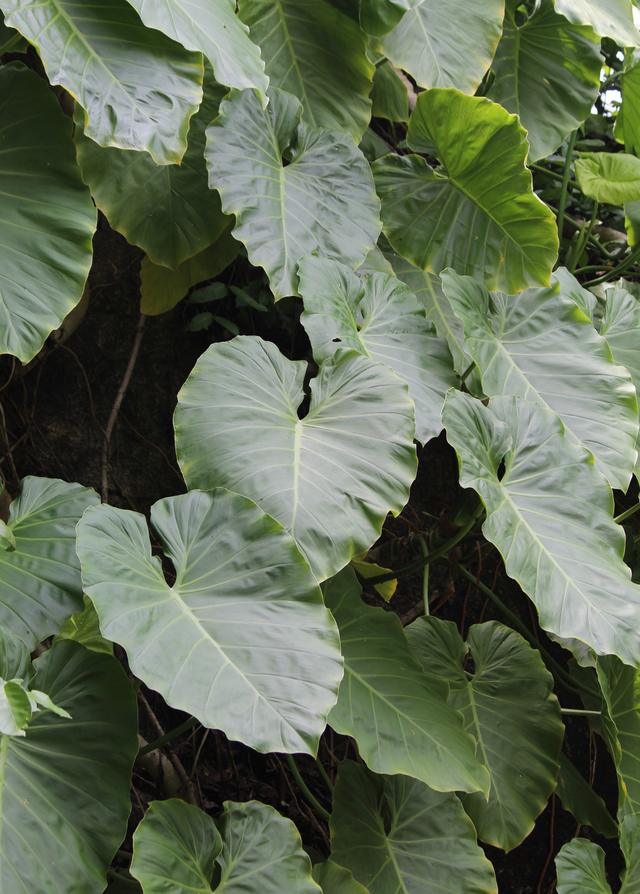
- Root: underground crops, such as ginger, turmeric, taro and cassava.
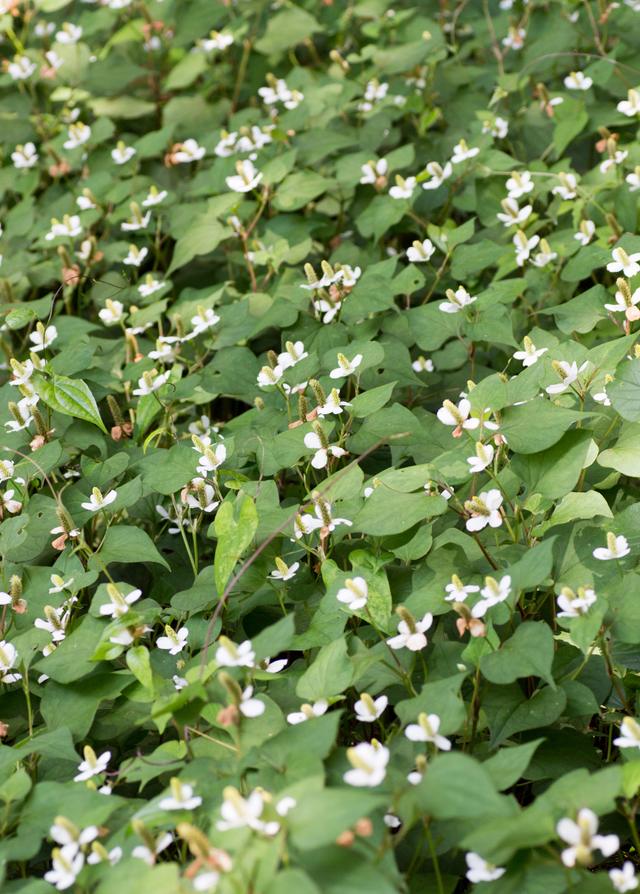
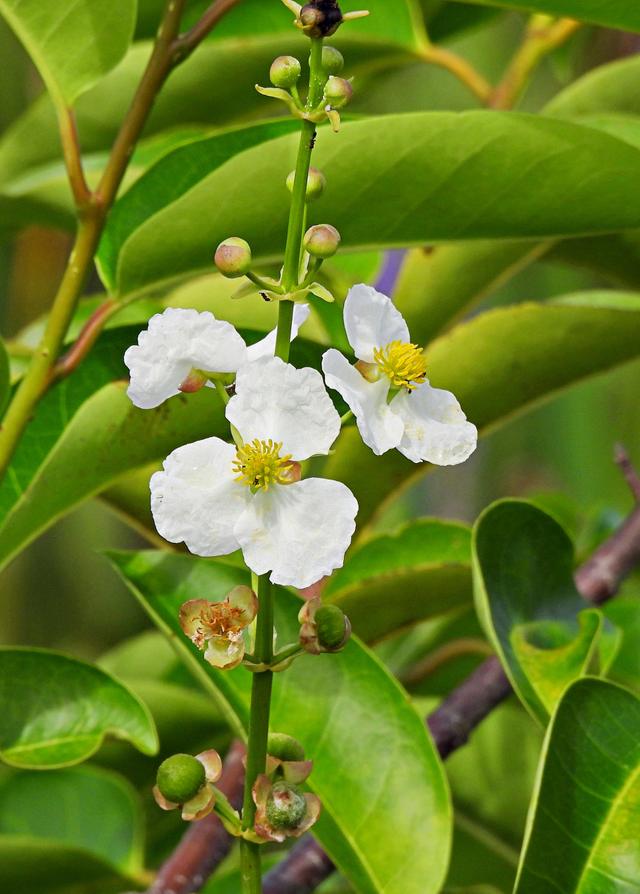
- Aquatic: water-loving edibles for swales and pond edges, such as fish mint and water spinach.
Food forest design in five steps
- Observe your site. Map sun, shade, wind, low spots and where water flows before you plant anything.
- Place the canopy first. Space large trees for their mature size and put them on the north side so they don't shade smaller plants.
- Build guilds. Surround each tree with nitrogen fixers, pollinator flowers, dynamic accumulators and groundcovers.
- Mulch heavily. Wood chips and chop-and-drop leaves feed soil life and hold moisture.
- Plan for succession. Fast plants like bananas, papaya and pigeon pea fill space and give shade while slow trees grow.
Choosing food forest plants
Start with what you love to eat, then fill each layer with plants suited to your hardiness zone and light. Mix harvest seasons so something is always ripening, and include flowers that feed pollinators and beneficial insects.
Browse plants by layer below, or by harvest season in the shop.