What is edible landscaping?
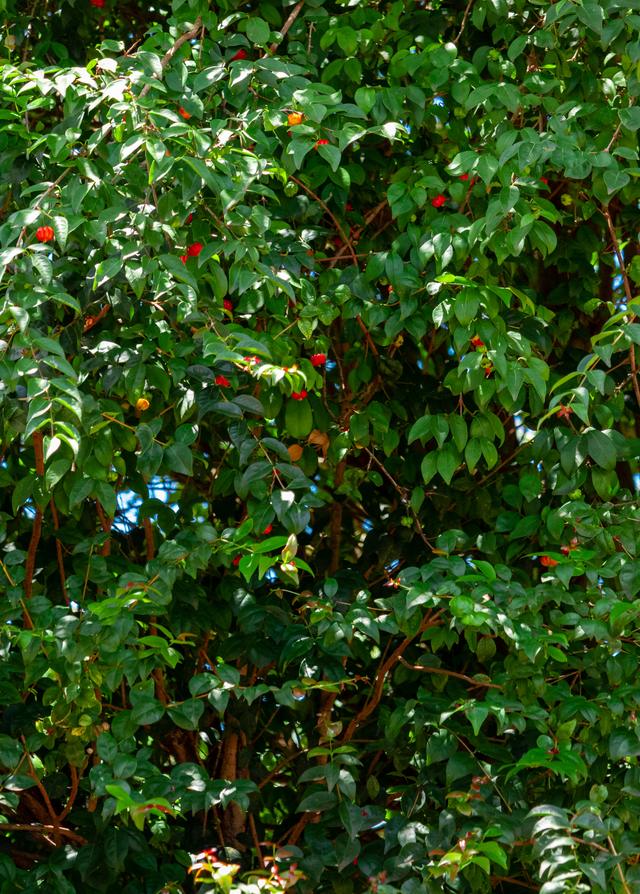
Edible landscaping replaces purely ornamental plants with ones that look good and produce food. A hedge of Barbados cherry, a border of lemongrass or a shade tree that drops mangoes does the same job in the landscape and gives you a harvest too.
Easy swaps for a typical yard
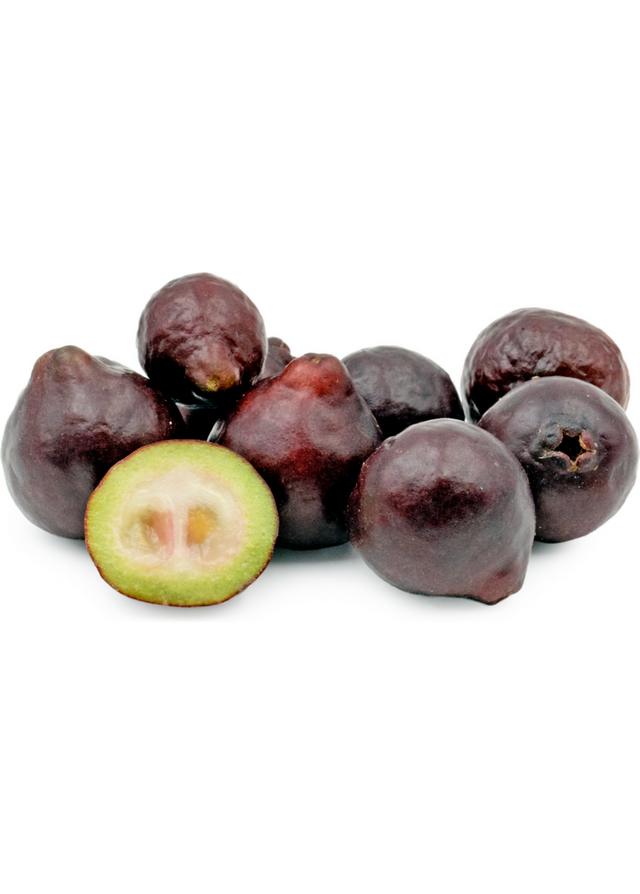
- Hedges and screens: Barbados cherry, Surinam cherry, loquat or katuk instead of ligustrum or podocarpus.
- Shade trees: mango, avocado, jackfruit or mulberry instead of a non-fruiting shade tree.
- Foundation plantings: dwarf bananas, pineapple, turmeric and ornamental gingers.
- Borders and edging: lemongrass, culinary herbs, Okinawan spinach and sissoo spinach.
- Arbors and fences: passion fruit, dragon fruit or grape vines.
Design tips
Repeat a few plants for a calm, intentional look rather than one of everything. Put the plants you harvest most often closest to the kitchen door. Use evergreen fruit trees for year-round structure, and plant flowers that bring pollinators to your fruit.
Mulch beds and edge them cleanly. Tidy edges make an edible garden read as landscaping, not overgrowth.