Sacred Superfruit Packed with Vitamin C and Longevity Power
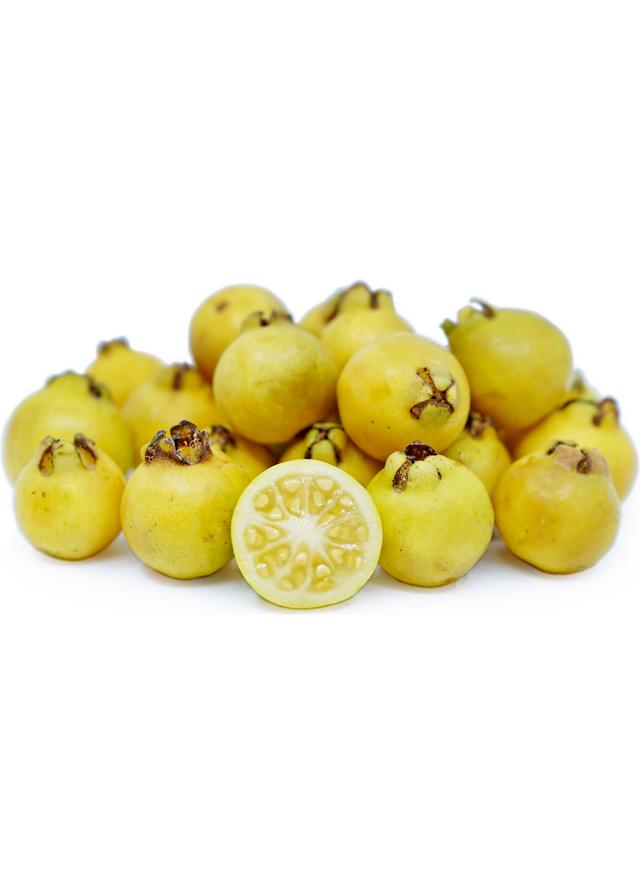
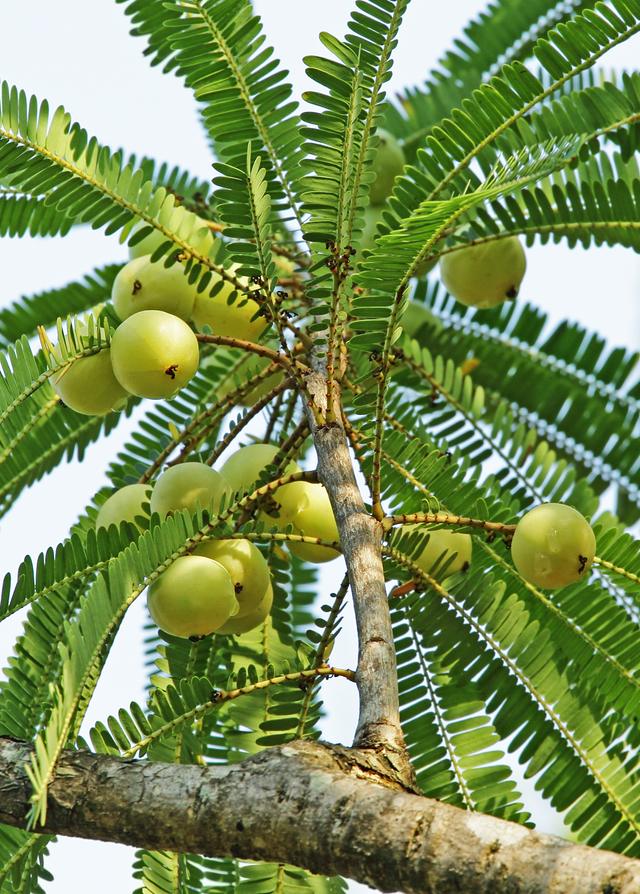
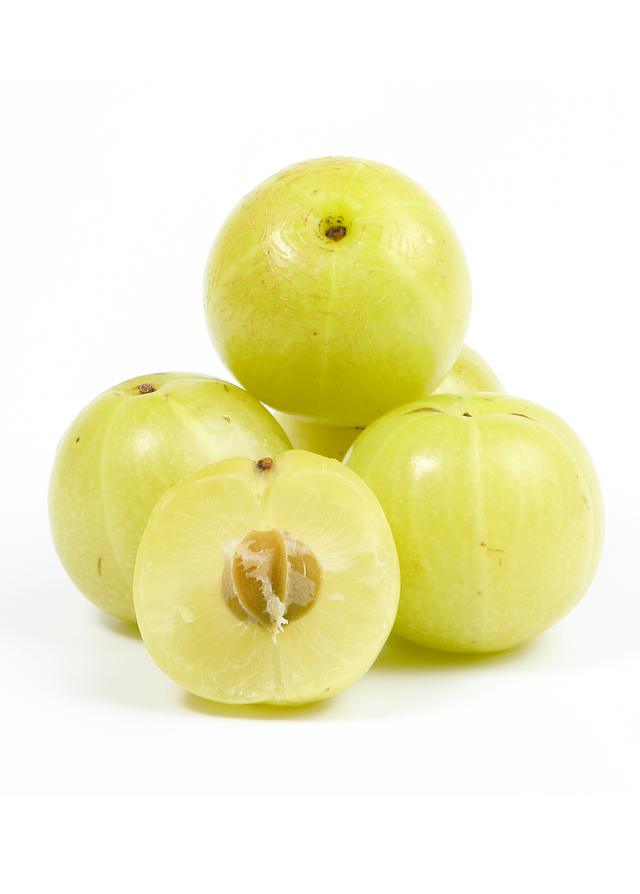
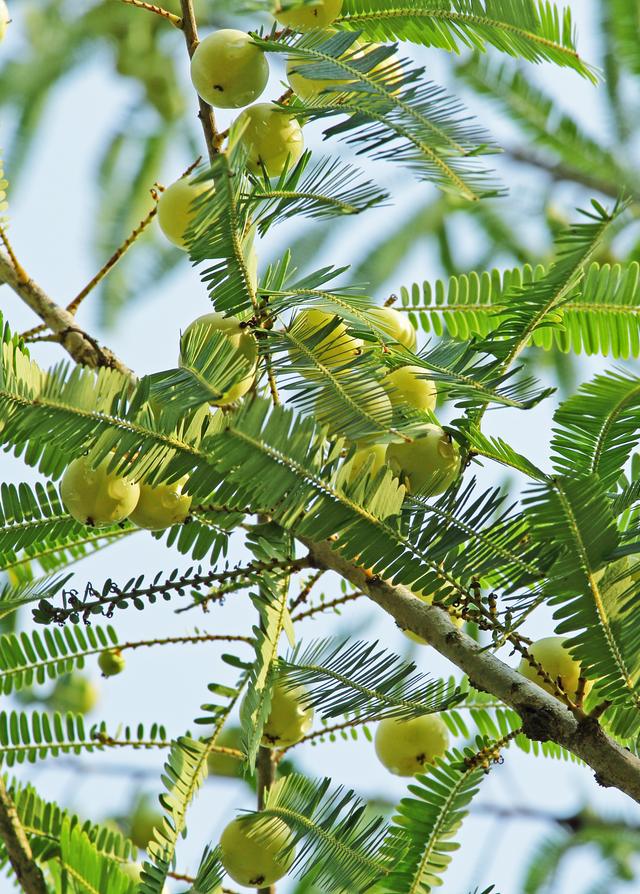
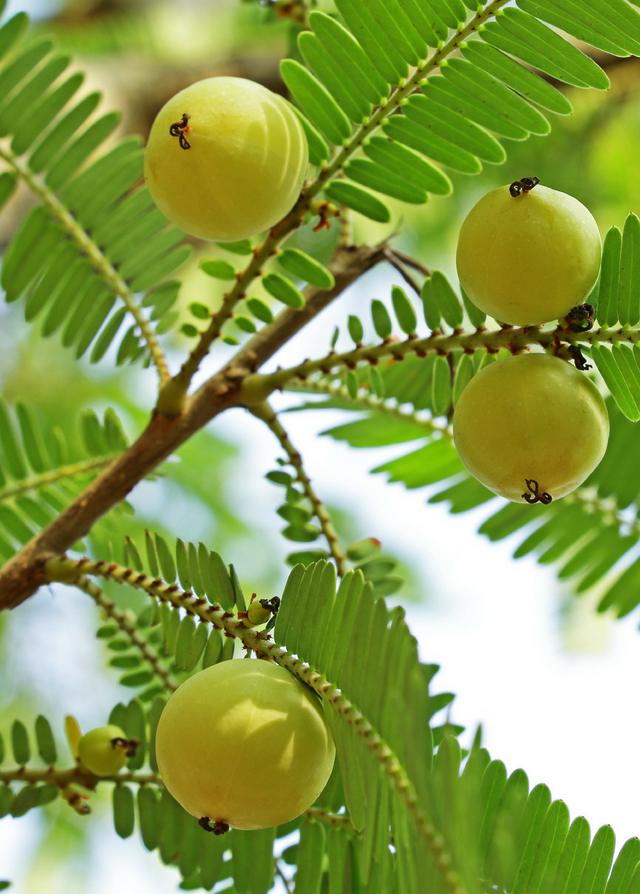
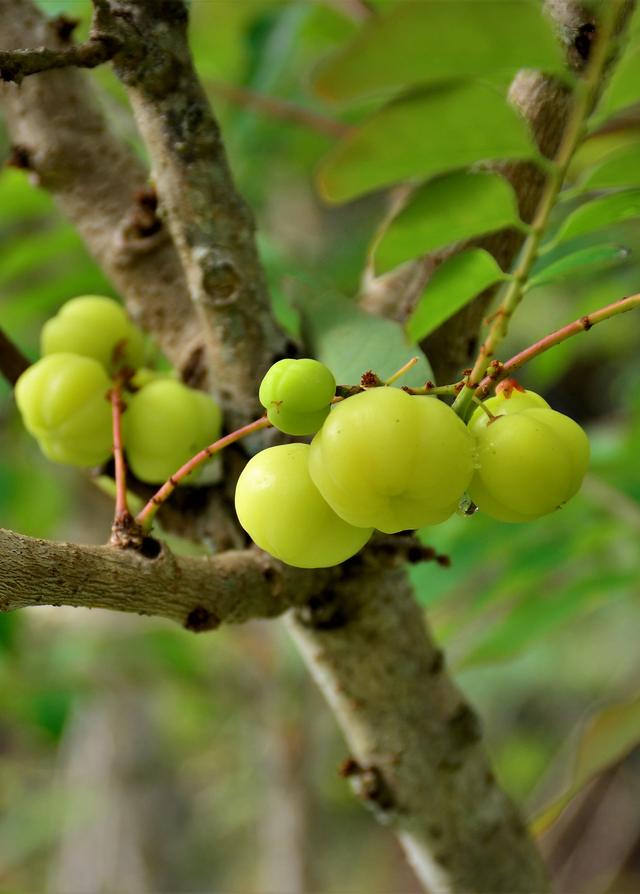
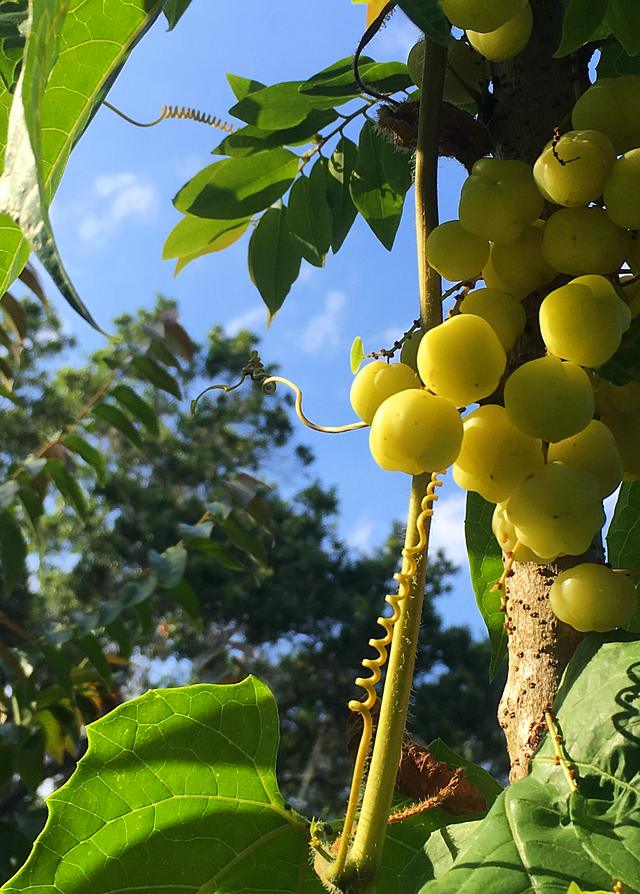
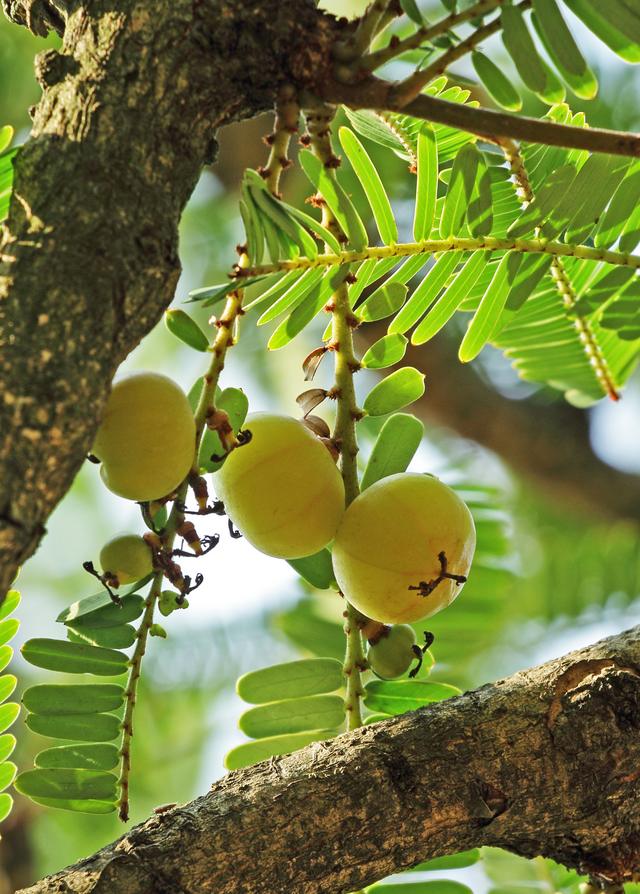
Amla, also known as Indian Gooseberry (Phyllanthus emblica), is a revered Ayurvedic medicinal plant and fruit tree known for producing small, greenish-yellow fruits that are incredibly rich in vitamin C, antioxidants, and adaptogenic compounds. Used for centuries to promote vitality, immune strength, digestion, and healthy aging, Amla is considered a “rasayana”—a rejuvenating herb—in traditional Indian medicine.
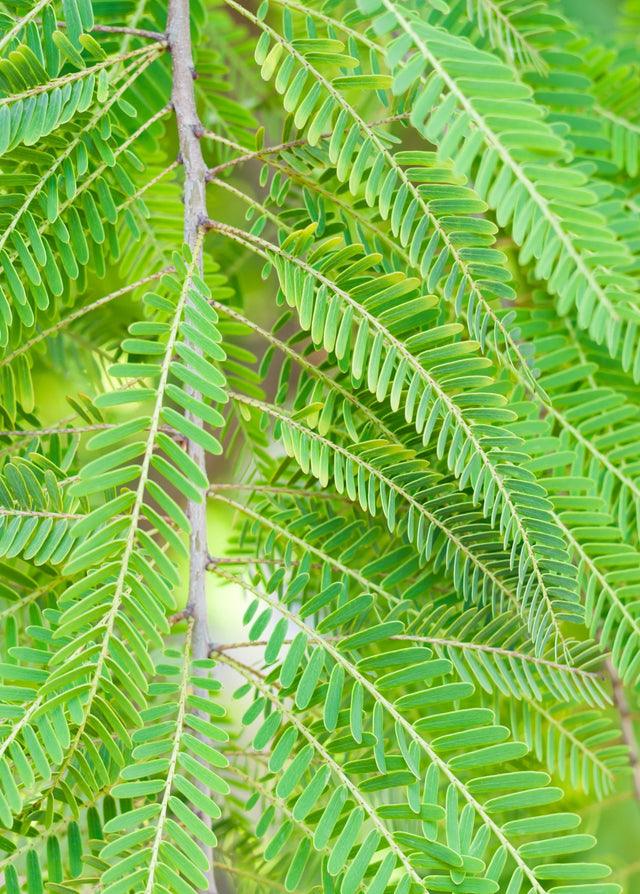
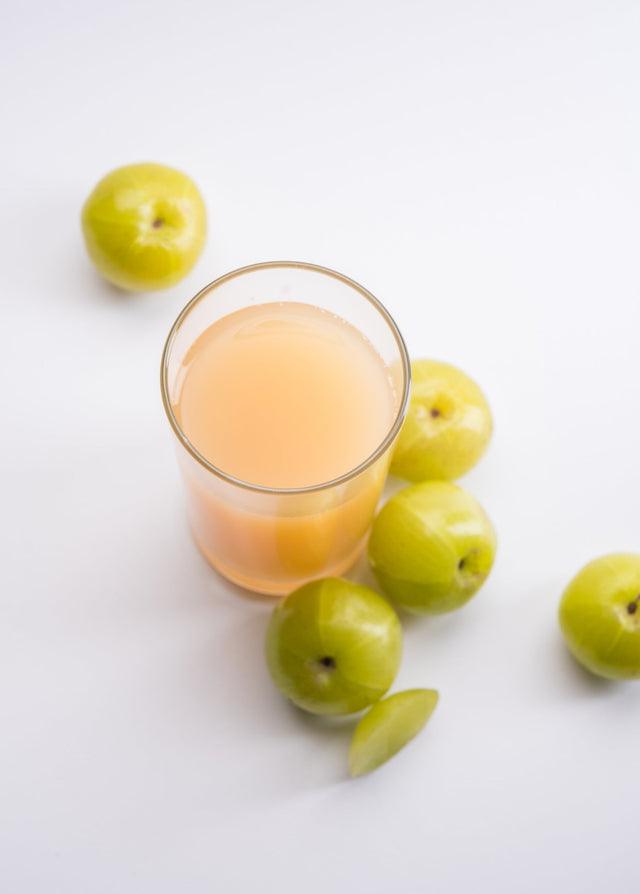
The tree is deciduous and drought-tolerant, with fine, feathery foliage and an elegant upright form. Amla fruits are tart, crisp, and slightly astringent, traditionally consumed fresh, pickled, powdered, or cooked into chutneys, tonics, and hair oils. Modern wellness communities prize it for its ability to balance blood sugar, boost collagen, and detoxify the body.
Amla grows best in warm, sunny climates with well-drained soil, and it’s surprisingly hardy—able to thrive in tropical, subtropical, and arid regions. Though it takes a few years to bear fruit, it’s well worth the wait for those seeking a high-value, healing tree in their food forest or medicinal garden.