A Compact, High-Yielding Favorite
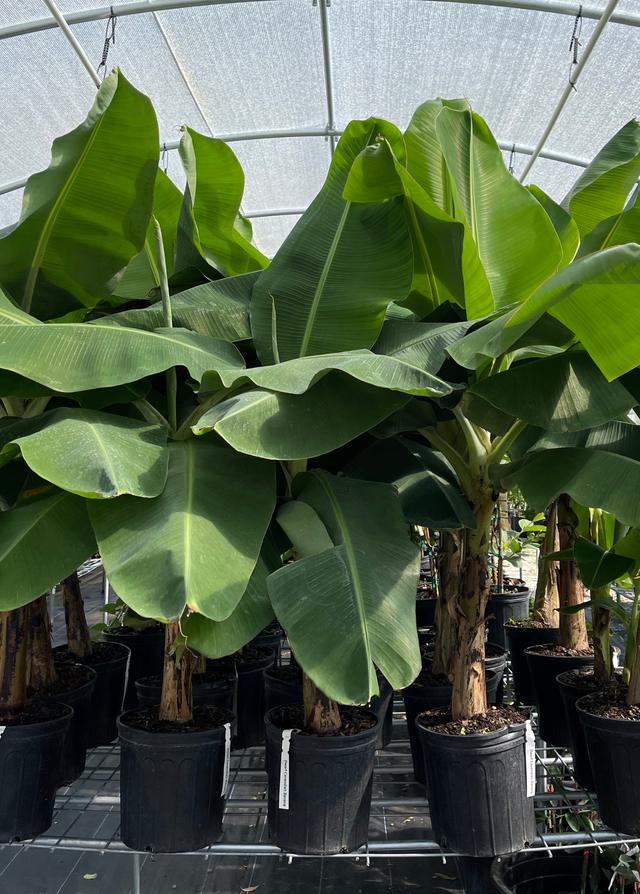
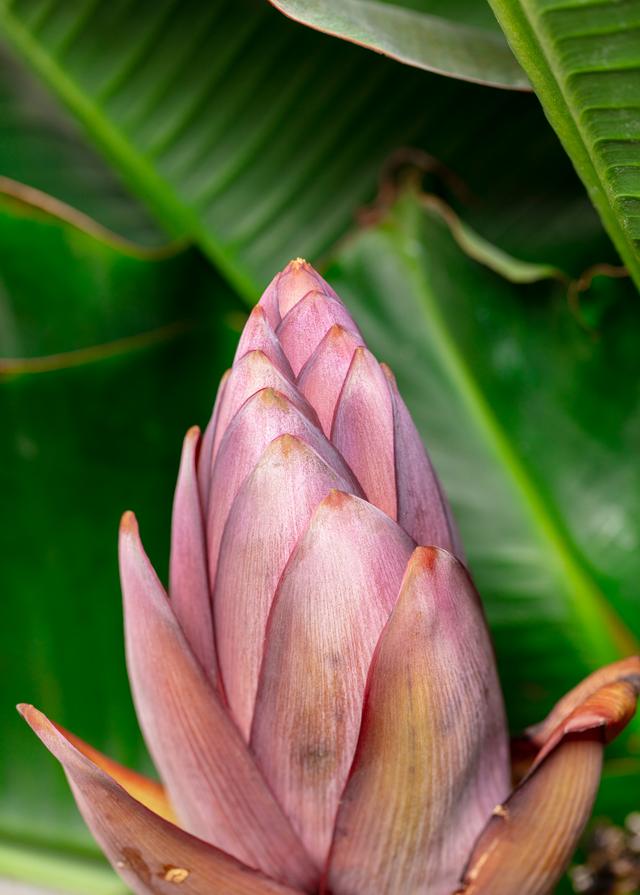
Dwarf Cavendish Banana ( Musa acuminata 'Dwarf Cavendish') is a compact, fast-growing banana variety prized for its sweet, creamy fruit and adaptability to tropical gardens and container growing. Originally developed for commercial production, this dwarf variety reaches just 6–8 ft. tall , making it ideal for small spaces, patios, and greenhouses while still producing full-sized bananas.
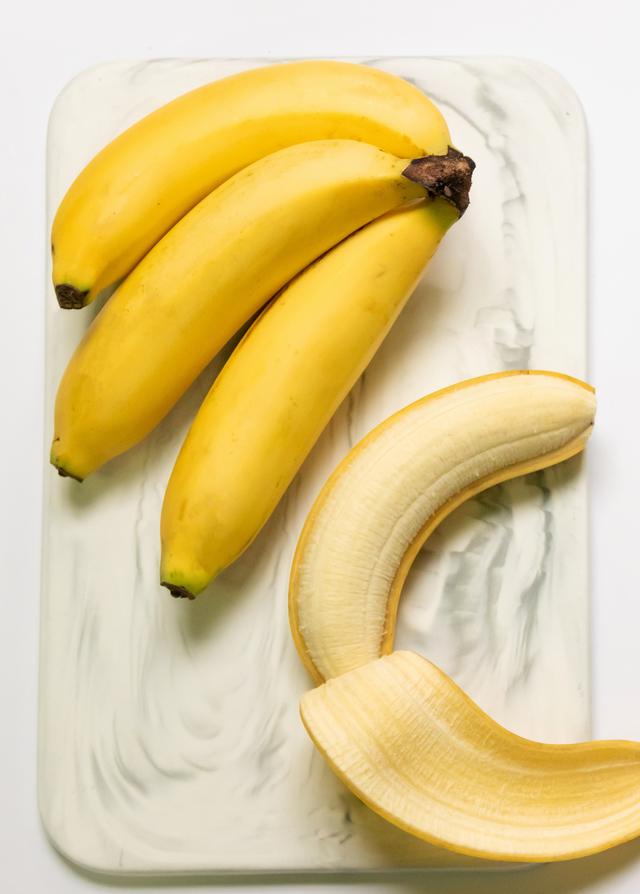
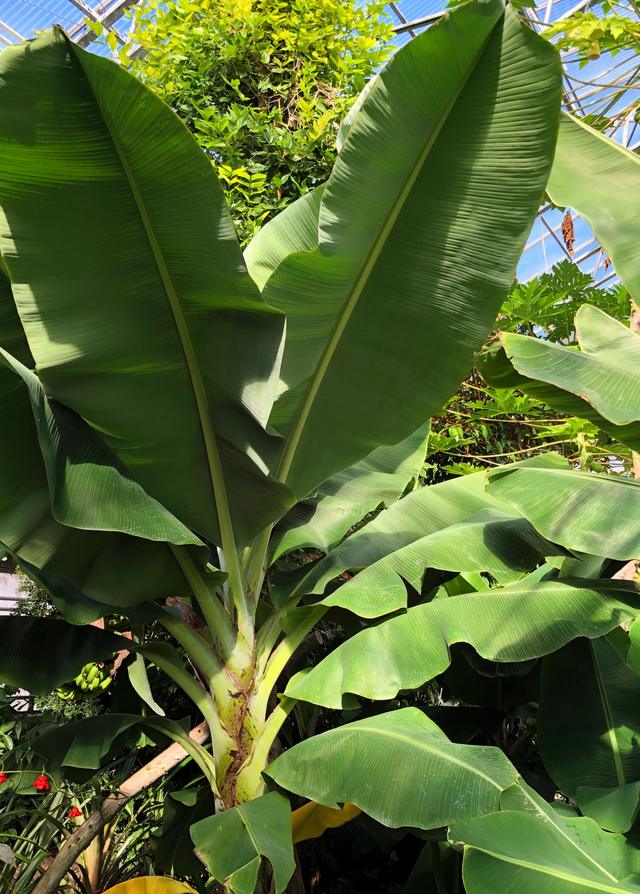
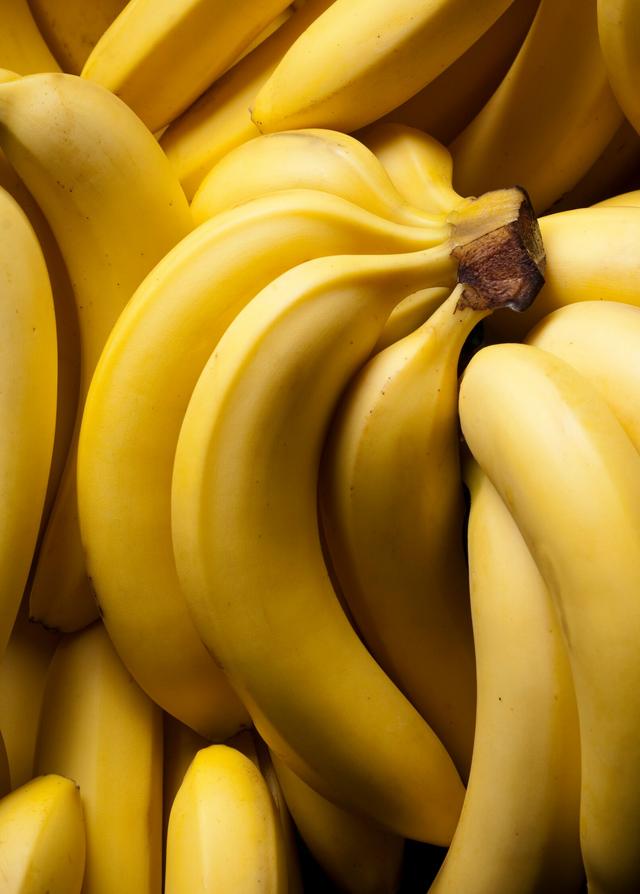
Native to Southeast Asia, Dwarf Cavendish thrives in warm, humid climates and produces lush, large green leaves that make it as ornamental as it is productive. The bananas ripen to a rich yellow with a smooth, sweet flavor, making them perfect for fresh eating, smoothies, and desserts. Its manageable size and reliable production make it a natural fit for home gardens, edible landscapes, and food forests.
Cultural & Culinary Significance
Dwarf Cavendish is valued for its classic sweet banana flavor and full-sized fruit on a compact plant. The ripe bananas are delicious eaten fresh or blended into smoothies and desserts. Its large tropical leaves also provide a striking ornamental element, making it useful as both a fruiting plant and an edible landscape feature.
Why Grow Dwarf Cavendish Banana?
- Harvest full-sized bananas with a smooth, sweet, creamy flavor.
- Grow a compact banana variety that fits beautifully into small gardens and containers.
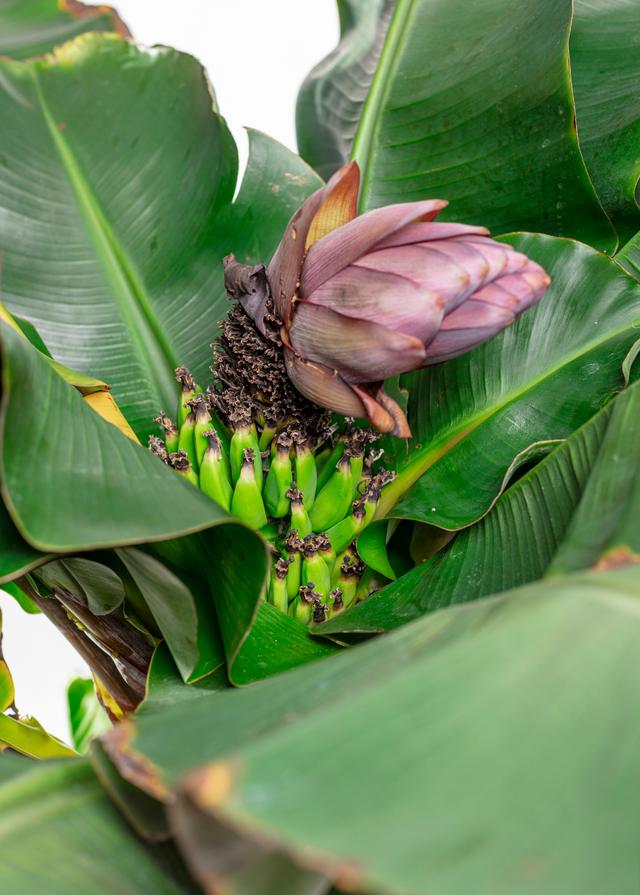
- Enjoy fast growth and fruit production within 12–24 months under optimal conditions.
- Add lush tropical foliage to patios, greenhouses, food forests, and edible landscapes.
- Move container-grown plants indoors during colder weather to protect them from freezing temperatures.