Tropical Superfruit for Jellies, Pickles & Healing Gardens
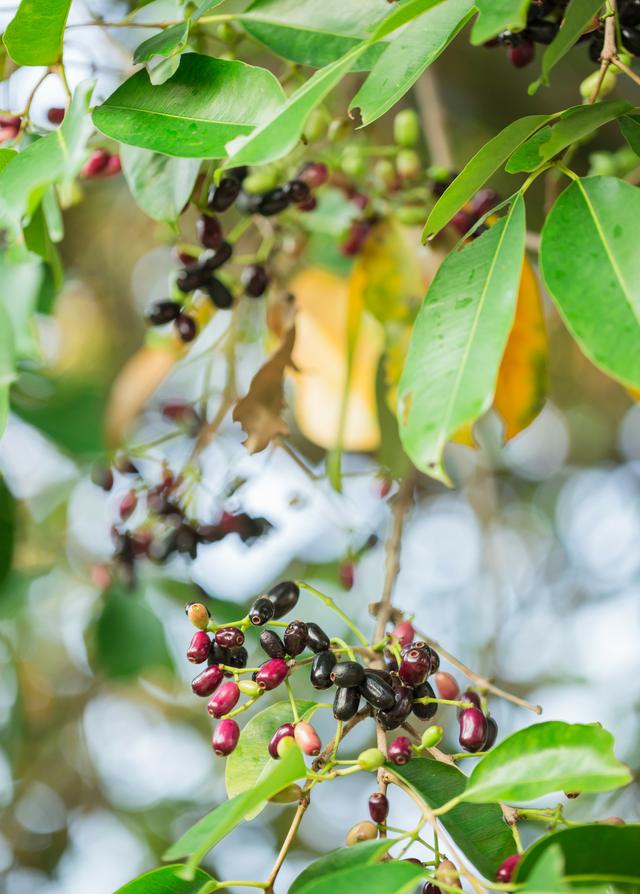
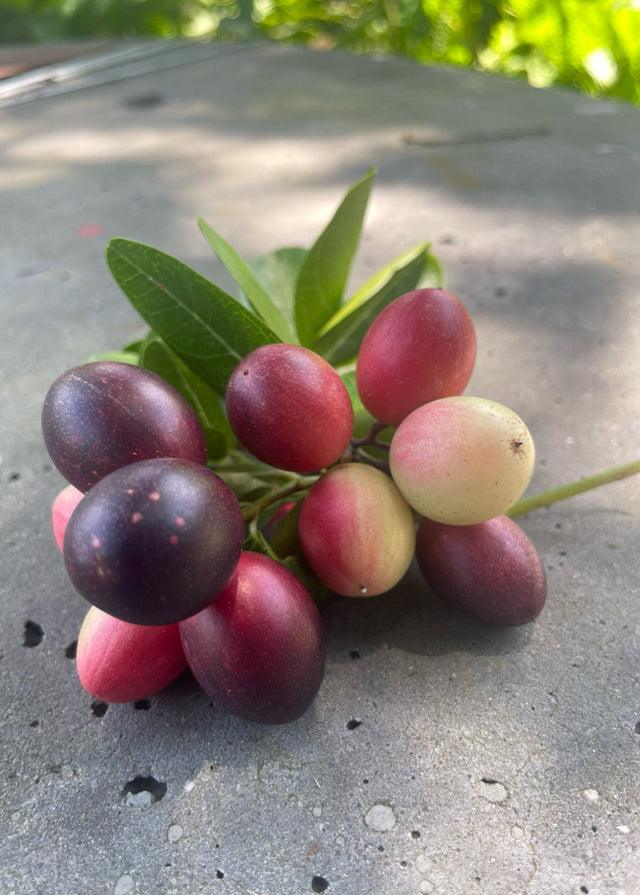
Carissa carandas, also known as Karanda, Bengal Currant, Christ’s Thorn, or Karonda, is a hardy evergreen shrub native to India and Southeast Asia, celebrated for its nutrient-rich, tangy fruits and versatile cultural uses. The small oval berries ripen from green to pink, red, and deep purple-black, offering a complex tart-sweet flavor. Karanda is widely used in pickles, chutneys, curries, jams, and refreshing drinks throughout South Asia. Its glossy foliage, fragrant starry white flowers, and spiny, protective growth also make it ideal as an edible hedge or living fence. With both culinary and medicinal value, this shrub is a true multipurpose powerhouse for tropical and subtropical gardens.
Cultural & Culinary Significance
Karanda is deeply rooted in Indian and Southeast Asian traditions. The fruits are rich in iron, vitamin C, and antioxidants, making them a prized ingredient in Ayurvedic remedies for anemia, digestion, and vitality. In kitchens, they are pickled while green, cooked into chutneys and curries, or eaten fresh when fully ripe. The fruit is also made into traditional jams, syrups, and refreshing summer drinks. Beyond food, its thorny branches are used as natural fencing, and its medicinal roots and leaves have been valued in folk practices for centuries.
Why Grow Carissa carandas?
- Produces clusters of vitamin-rich berries that change color as they ripen
- Versatile fruit: pickled, preserved, juiced, or eaten fresh
- Traditional Ayurvedic uses for digestion, vitality, and cooling
- Spiny growth makes it excellent as a protective edible hedge
- Glossy evergreen foliage with ornamental and ecological value