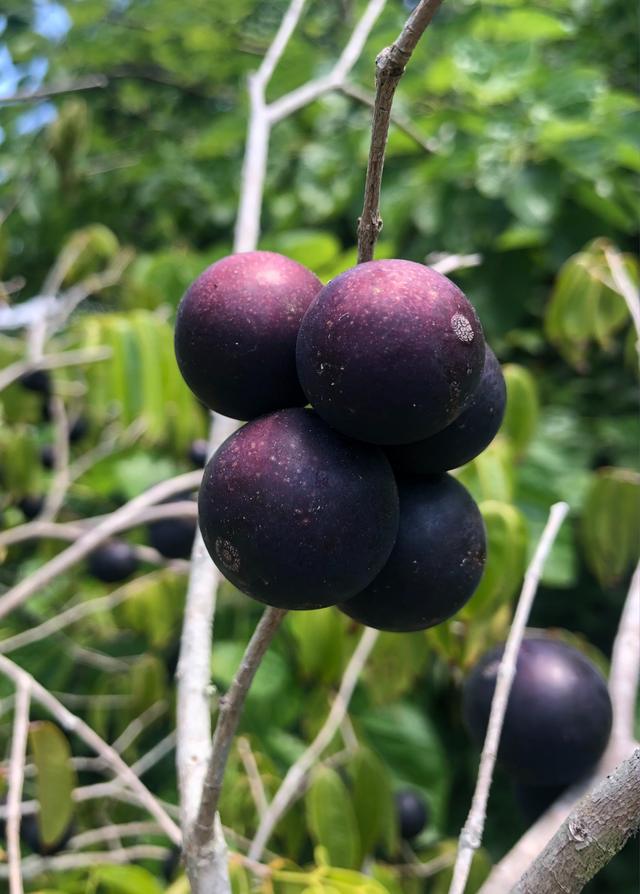
Rare, Sweet Tropical Berry
Common Names: Blue Grape, Vexator, False Jaboticaba Family: Myrtaceae Origin: Central and South America (native to regions like Costa Rica and Panama)
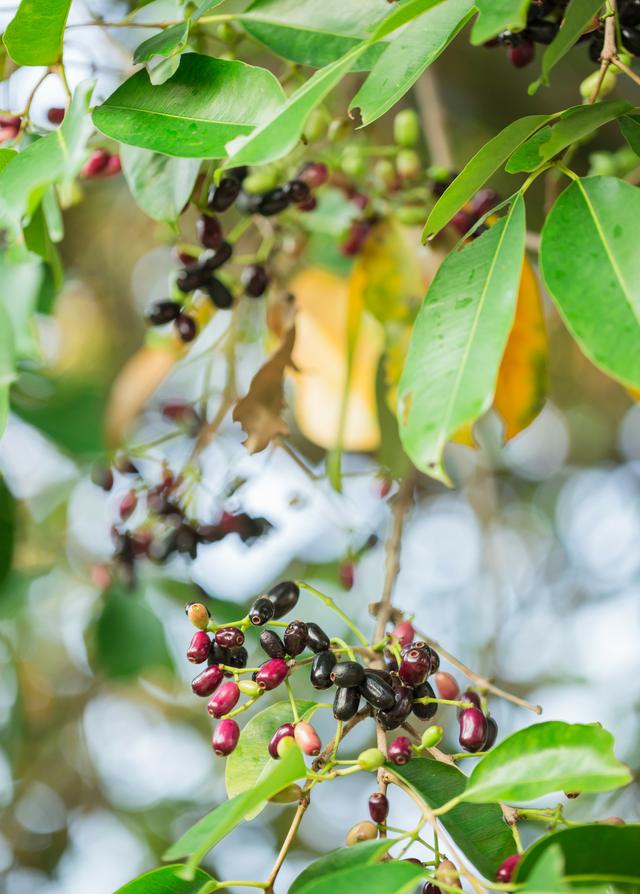
Blue Grape (Myrciaria vexator), also known as False Jaboticaba, is a rare tropical fruit tree that produces dark blue, grape-like berries with a sweet, juicy flavor. The tree is closely related to the Jaboticaba, sharing similarities in appearance and fruit structure. Blue Grape fruits have thick, purple-blue skin and soft, sweet, white pulp that is rich in flavor, making them a delightful treat for fresh eating or juicing. This slow-growing, evergreen tree thrives in warm, humid climates, and its ornamental beauty, combined with its delicious fruit, makes it a prized addition to tropical and subtropical gardens.
Distinctive Features, Uses, and Nutritional Value
Fruits: Blue Grape fruits are small, round, and dark blue to purple, about the size of a grape or small plum. The thick skin surrounds a soft, juicy pulp that is sweet and mildly tangy. The fruit can be eaten fresh or used to make jams, jellies, and juices. Blue Grapes are rich in vitamins C and A, as well as antioxidants, supporting immune health and overall wellness.
Foliage: The tree has dark green, glossy leaves that give it a lush, tropical appearance. The leaves are elliptical and grow densely, creating an attractive canopy.
Growth Habit: Blue Grape is a slow-growing, evergreen tree that can reach heights of 10-25 feet when mature. The tree is well-suited for tropical and subtropical climates and can be grown in containers for those in cooler regions.
Culinary and Ornamental Uses
Blue Grape fruits are delicious when eaten fresh or used to make juices, jams, and jellies. The fruit’s sweet flavor and juicy texture make it a perfect tropical snack. In addition to its edible value, the tree is highly ornamental, with its glossy green leaves and attractive form. Blue Grape is often grown for its beauty as well as its fruit, making it a standout in any garden or landscape.