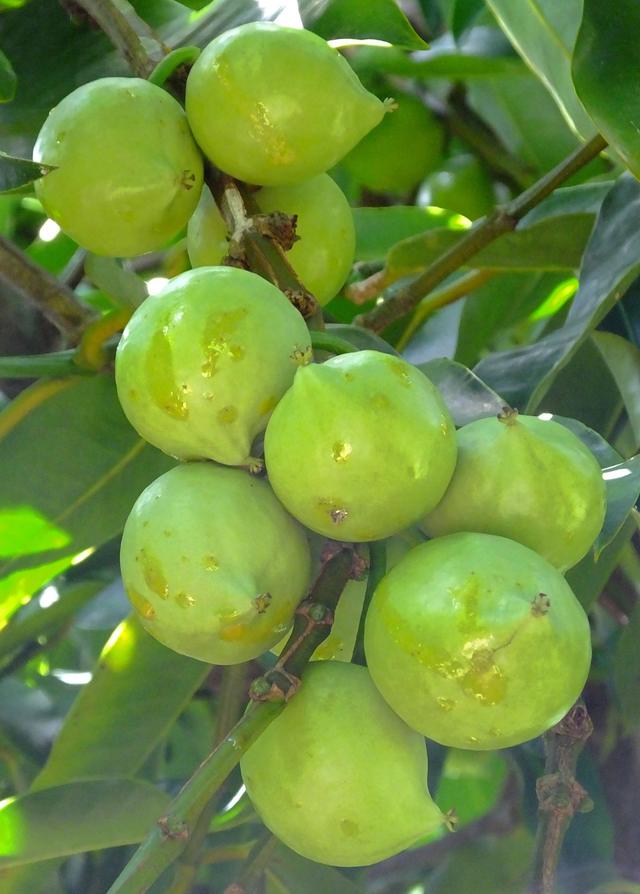
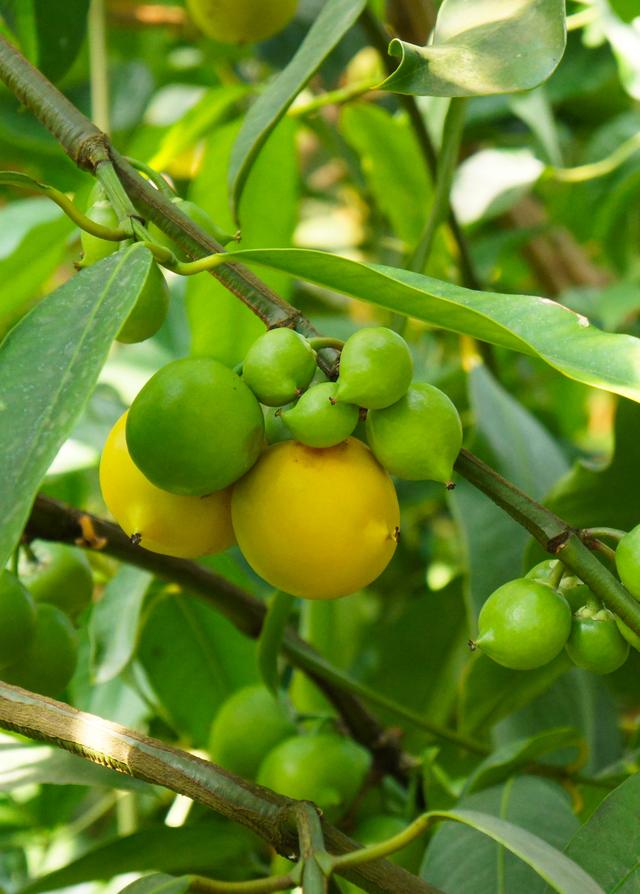
Bright Yellow Fruit with Tangy Flavor
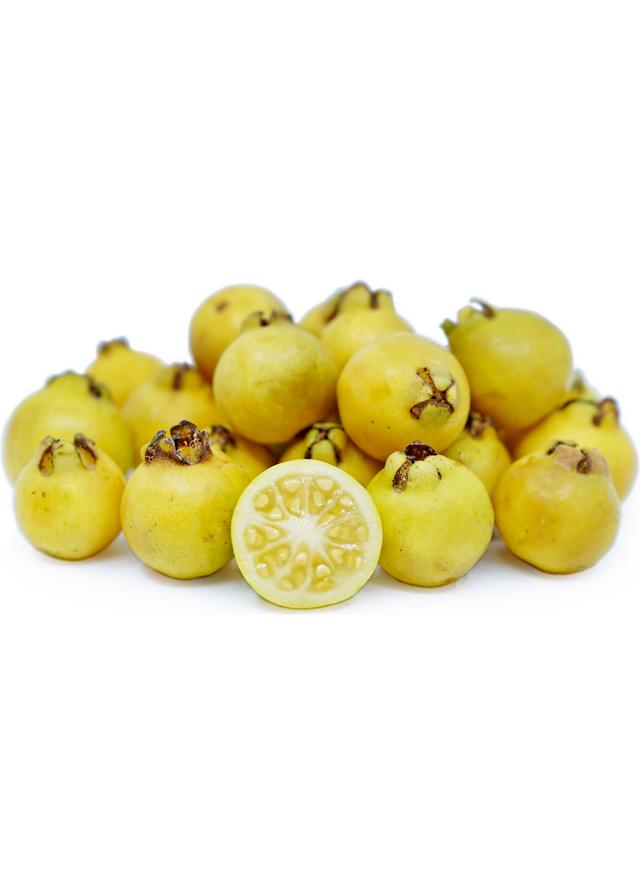
Gamboge ( Garcinia xanthochymus ), also known as Yellow Mangosteen, False Mangosteen, or Sour Garcinia, is a tropical evergreen fruit tree native to Southeast Asia. It produces round to oval, bright yellow fruits with a distinctly sour flavor, making them a valuable ingredient in Southeast Asian cooking. The fruit pulp is used to add tanginess to curries, soups, chutneys, and sauces. Glossy, dark green foliage gives the tree a lush tropical appearance, while its colorful fruits provide ornamental interest as they mature.
Beyond its culinary value, Gamboge has a long history of traditional and practical uses. Its yellow-orange resin has been used as a natural pigment and dye, as well as in traditional remedies. In suitable climates, this evergreen tree can grow into a substantial canopy tree, though pruning can help maintain a more manageable size for home gardens and edible landscapes.
Cultural & Culinary Significance
Gamboge is valued in Southeast Asian culinary traditions for its sour fruit, which adds a bright, tangy flavor to savory dishes, including curries, soups, chutneys, and sauces. Its vividly colored resin has also been used historically as a pigment and dye. The fruit contains vitamin C and other naturally occurring plant compounds, while traditional medicinal uses vary by region. These diverse uses make Gamboge an interesting addition to a tropical food forest.
Why Grow Gamboge?
-
Harvest bright yellow fruits with a bold, sour flavor for cooking.
-
Add a distinctive ingredient to curries, soups, chutneys, and sauces.
-
Enjoy glossy evergreen foliage that brings a lush tropical look to the garden.
-
Grow a versatile tree with a history of culinary, pigment, and traditional uses.
-
Prune the tree to help manage its size in a home garden or edible landscape.