Fragrant Evergreen Herb with Edible Berries and Ancient Appeal
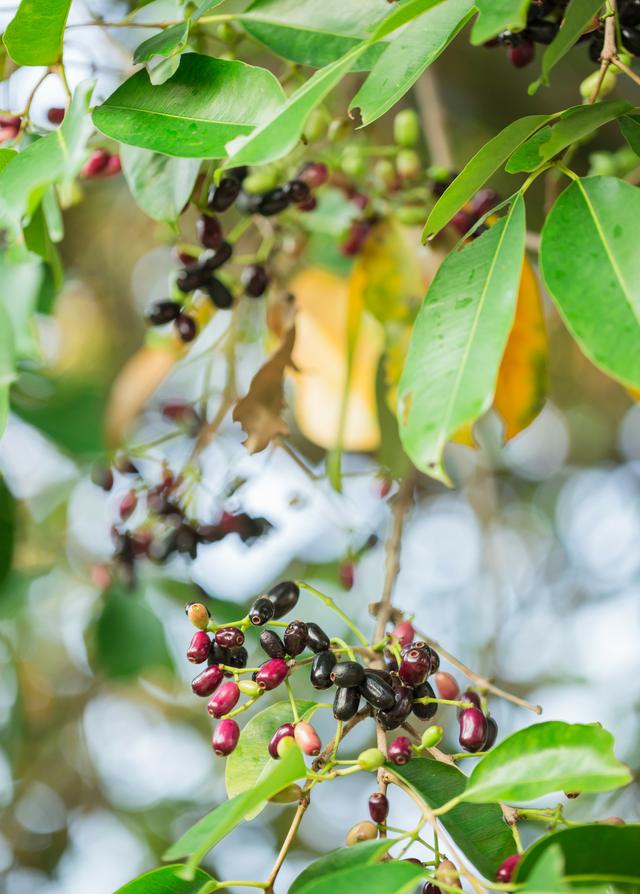
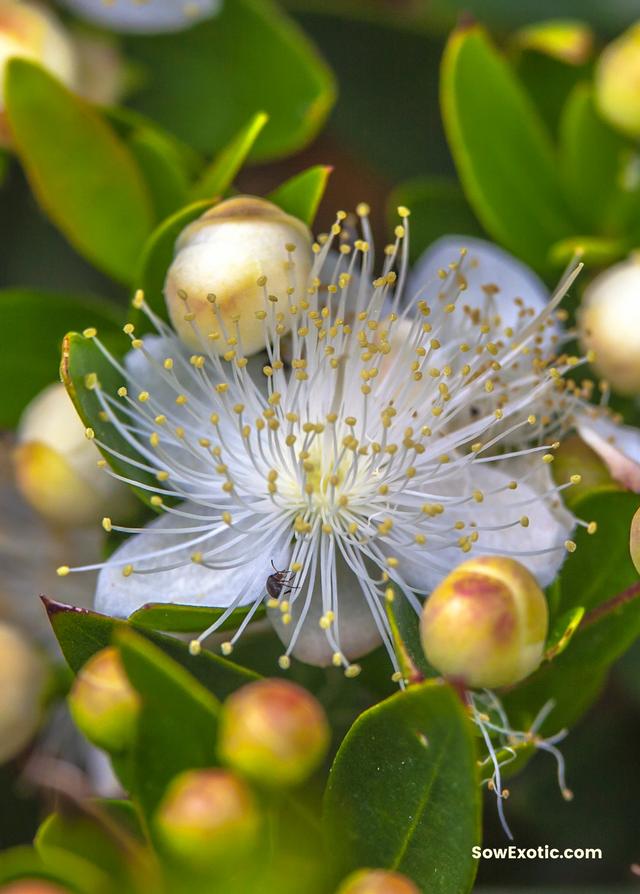
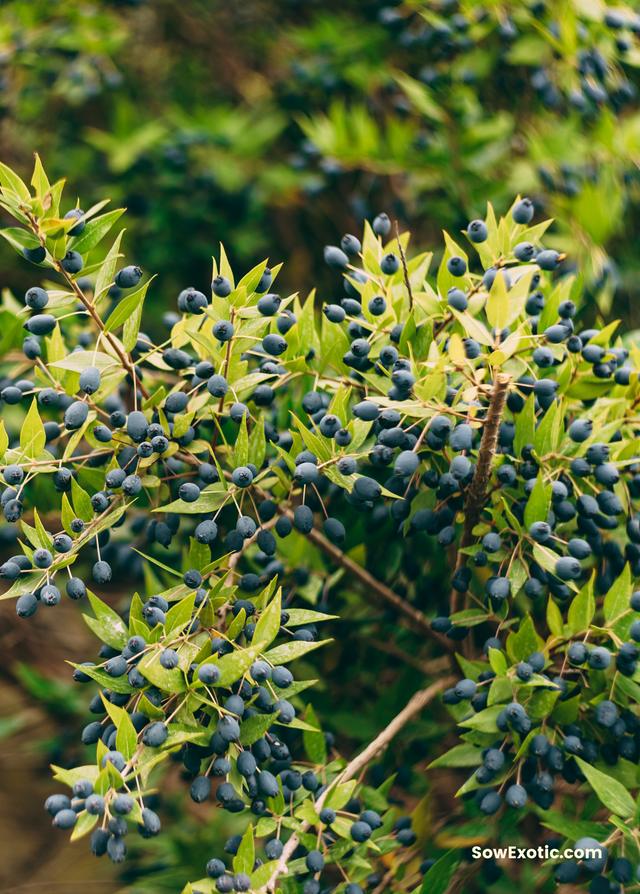
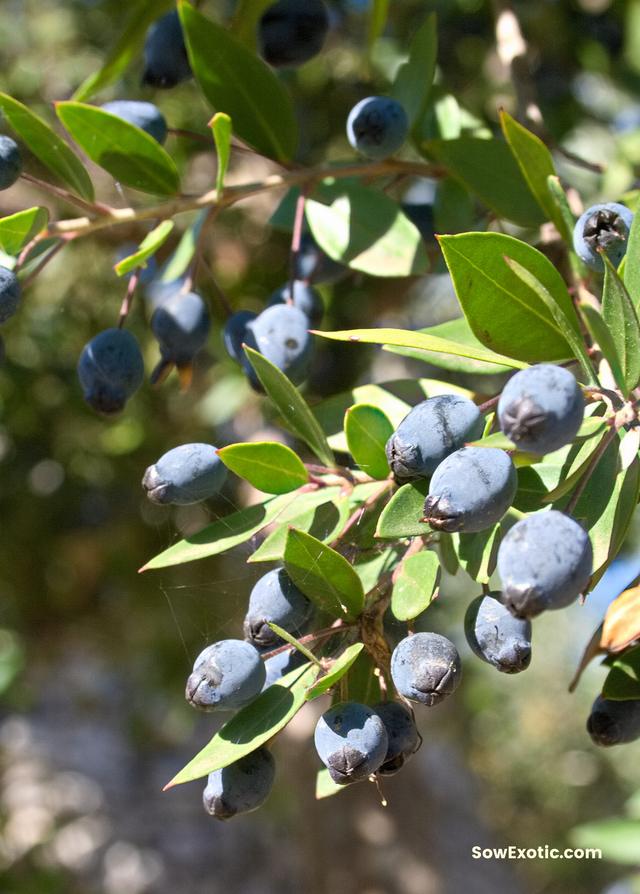
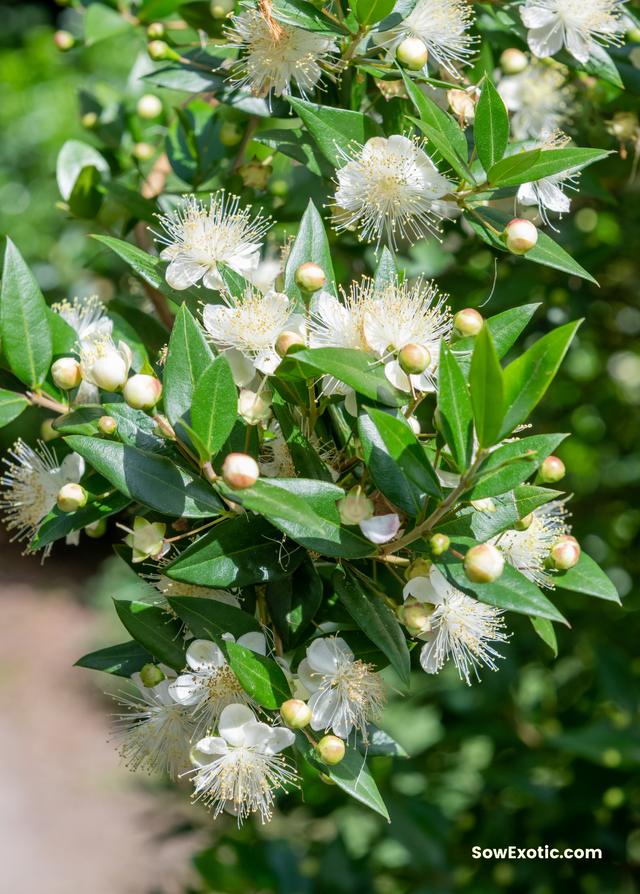
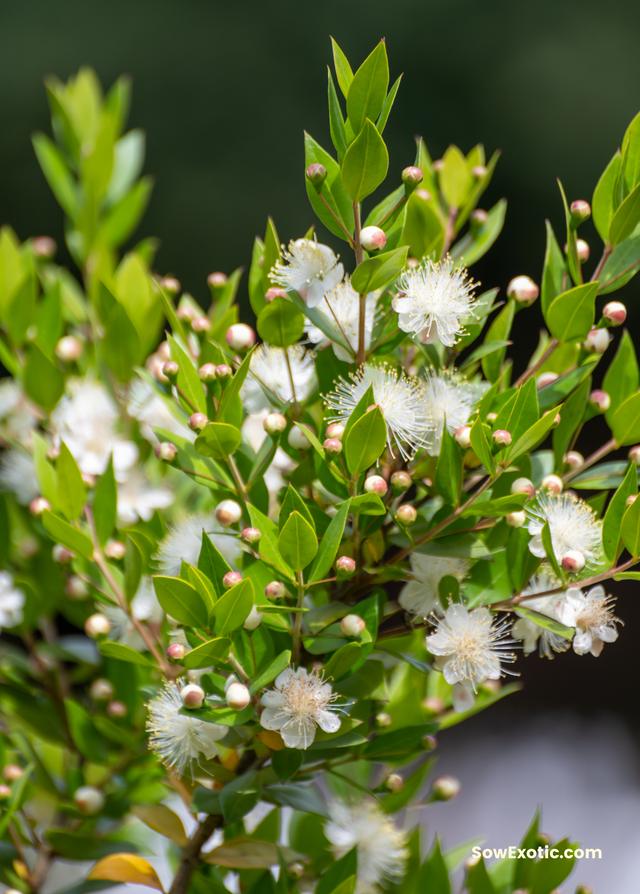
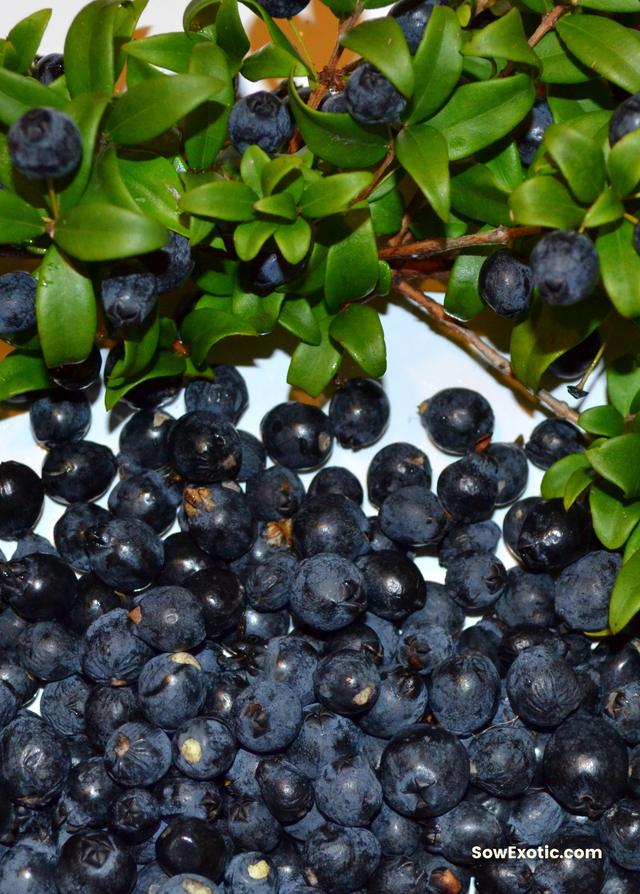
Greek Myrtle, also known as True Myrtle or Mediterranean Myrtle, is a fragrant evergreen shrub native to the Mediterranean and steeped in ancient history and culinary tradition. Once sacred to Aphrodite, this beautiful plant is grown today for its aromatic leaves, ornamental white flowers, and edible blue-black berries—all of which have culinary, medicinal, and spiritual uses.
The leaves are used like bay leaf in savory dishes, stews, and sauces, offering a slightly spiced, herbal flavor. The berries can be dried, ground, or fermented into liqueurs like the Sardinian “mirto.” Even the flowers are edible and fragrant, attracting bees and beneficial pollinators.
Myrtle thrives in sunny, well-drained spots, is drought-tolerant once established, and can be grown as a compact ornamental shrub, fragrant hedge, or container plant. Its glossy green leaves, graceful white blooms, and historical charm make it a standout in edible landscapes, herbal gardens, and Mediterranean-inspired plantings.