Drought-Tolerant, Tropical Fruit Tree
Common Names: Imbe, African Mangosteen, Livingstone's Garcina Family: Clusiaceae Origin: Tropical Africa
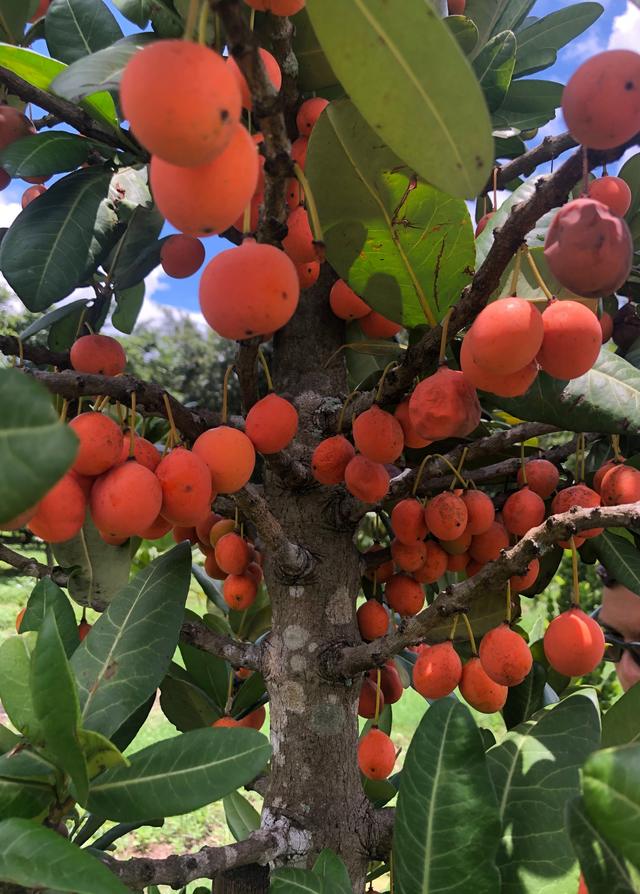
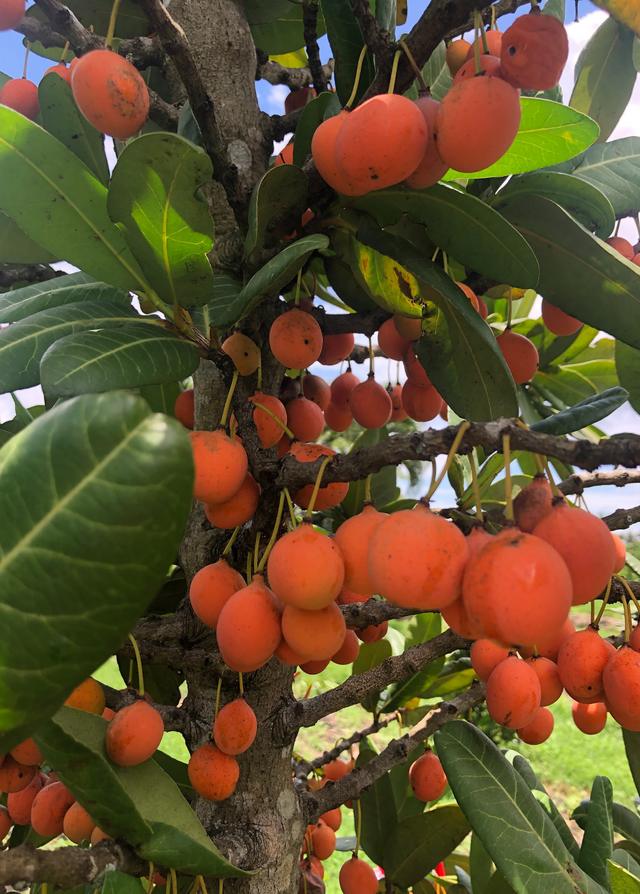
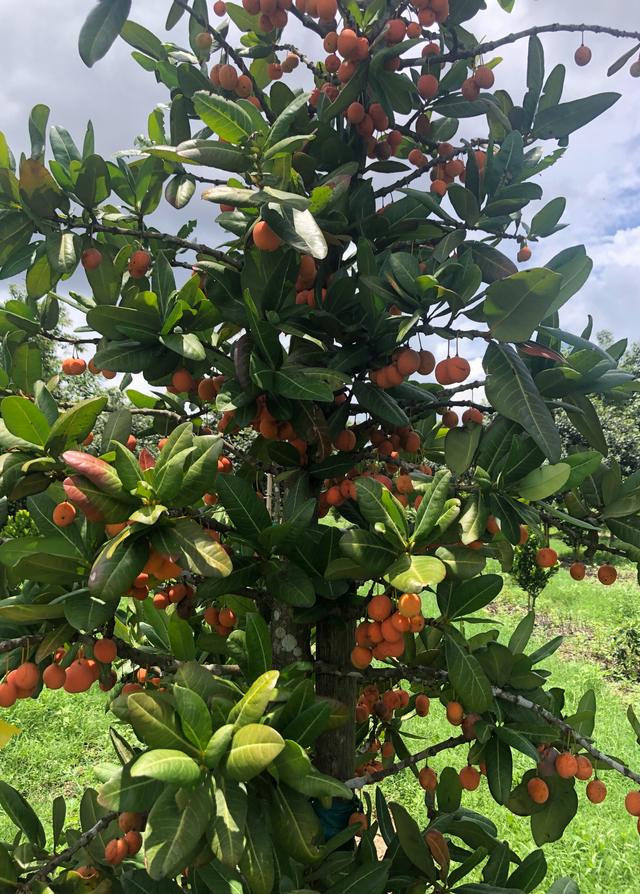
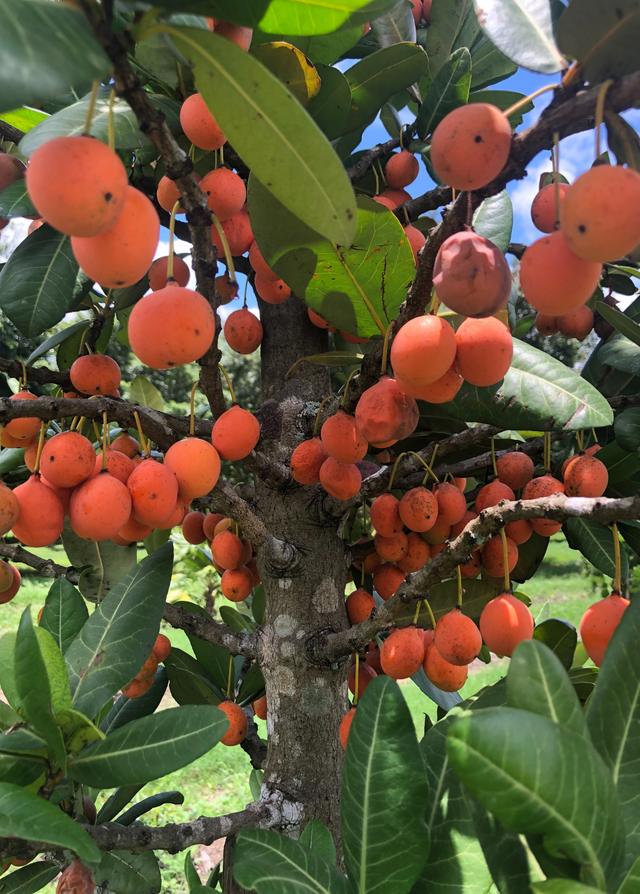
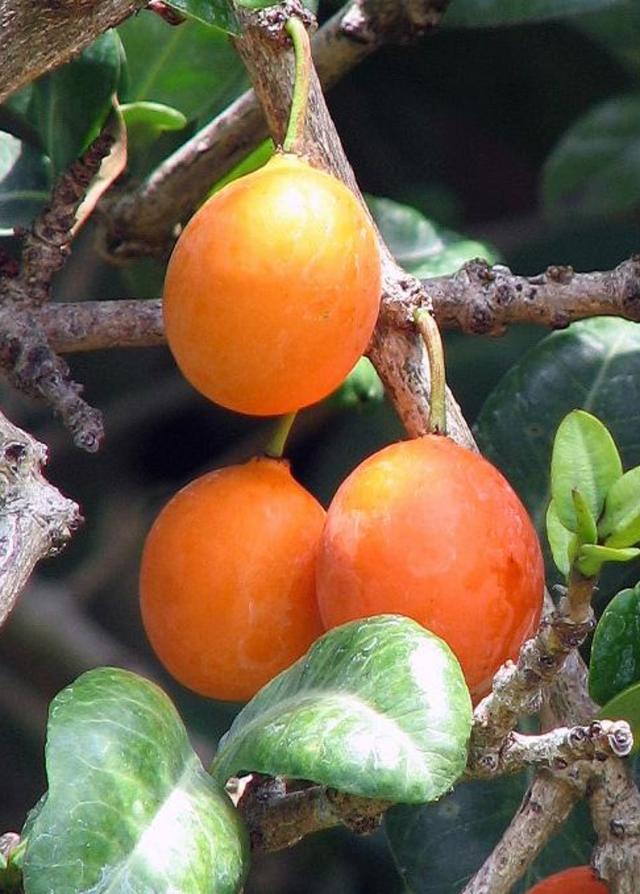
Imbe (Garcinia livingstonei), also known as African Mangosteen, is a small tropical tree or shrub native to the warm regions of Africa. Known for its resilience in dry conditions and its vibrant, tangy fruit, the Imbe tree is both ornamental and productive. The fruit is bright orange to yellow, small, and juicy, with a tart-sweet flavor that makes it a refreshing snack. Imbe is often grown for its fruit but is also appreciated for its attractive, leathery green leaves and bright orange fruits that add a splash of color to the landscape.
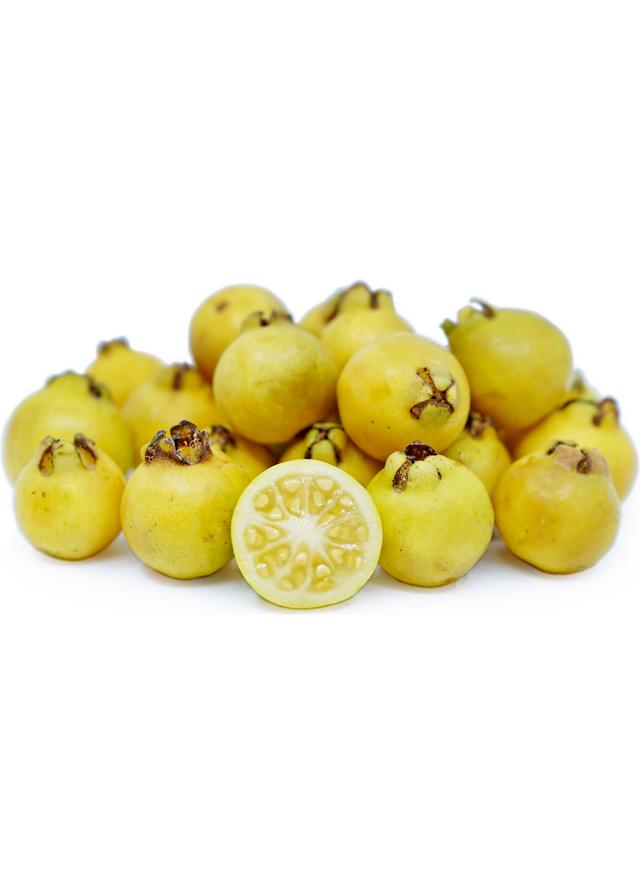
Fruits: Imbe produces small, round fruits, usually about 1-2 inches in diameter, with a thin orange or yellow rind. The fruit has juicy, bright orange flesh that is sweet and tangy, often compared to a cross between a mango and an apricot. Inside, there is one large seed, making it easy to eat around. Imbe is high in vitamin C and antioxidants, providing a nutritious and refreshing treat.
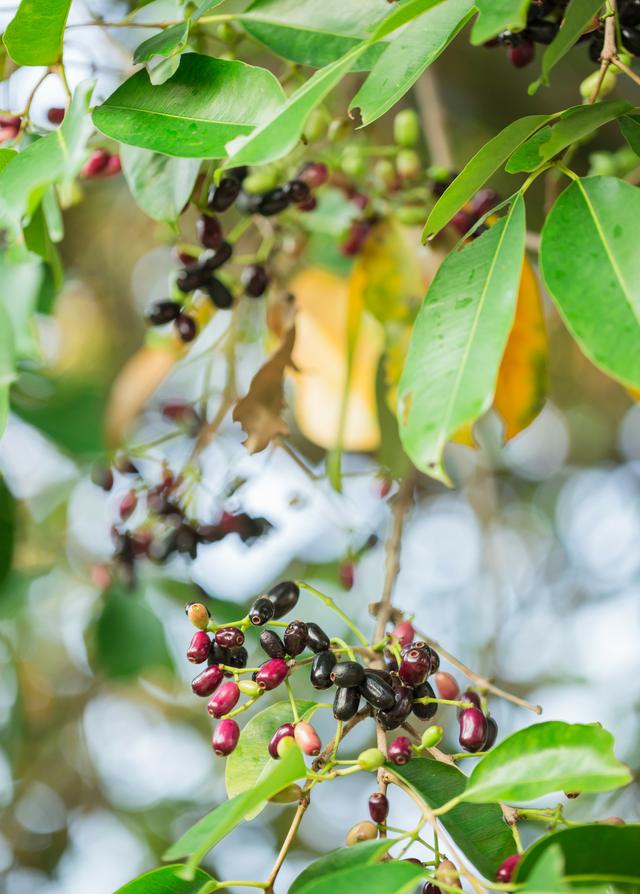
Foliage: The tree features thick, leathery green leaves that add a lush, tropical look to gardens. The leaves are oval-shaped, glossy, and remain evergreen, making Imbe an attractive ornamental plant.
Growth Habit: Imbe is a slow-growing, drought-tolerant tree that can reach up to 10-20 feet tall. It is often grown as a small fruit tree or as part of a hedgerow or screen in tropical landscapes.
Culinary and Ornamental Uses
Imbe fruit can be eaten fresh or used in juices, jams, and desserts. Its tangy, sweet flavor makes it a delightful ingredient in fruit salads and smoothies. The fruit can also be dried and preserved for later use. In some regions, the seeds are roasted and eaten.
Imbe is also valued as an ornamental plant due to its dense, glossy foliage and vibrant fruit, which adds beauty to gardens, especially in dry or drought-prone areas. The tree's tolerance for poor soils and dry conditions makes it an excellent choice for xeriscaping or low-water gardens.