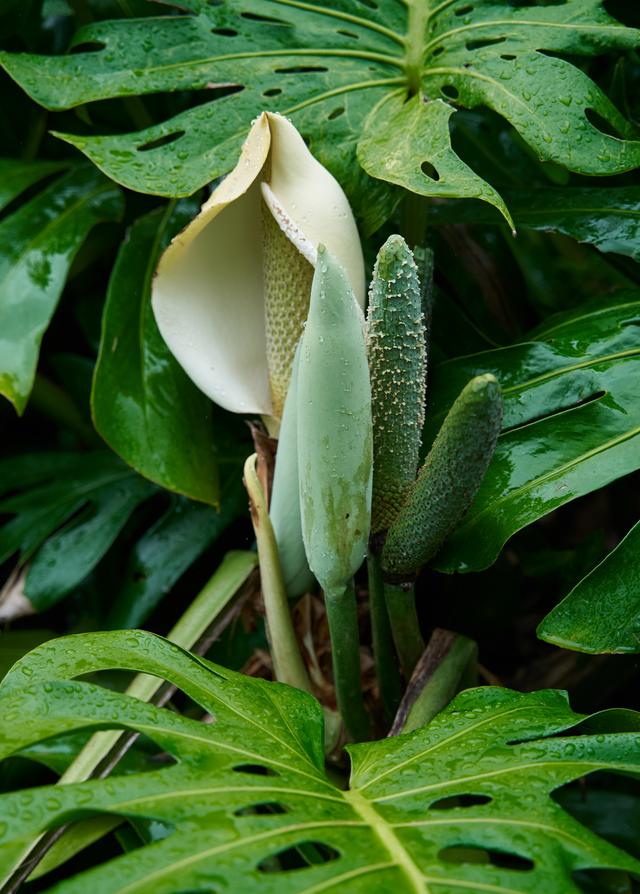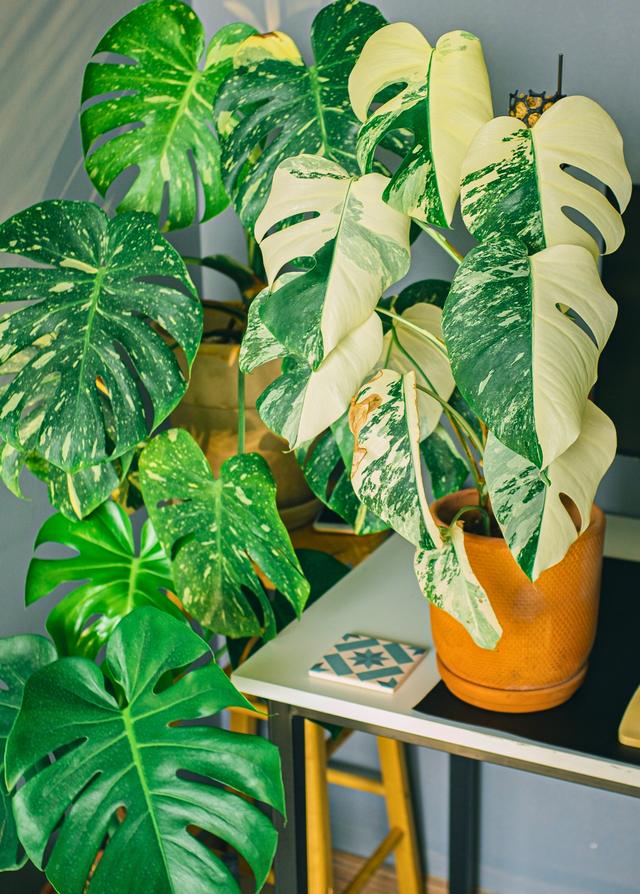
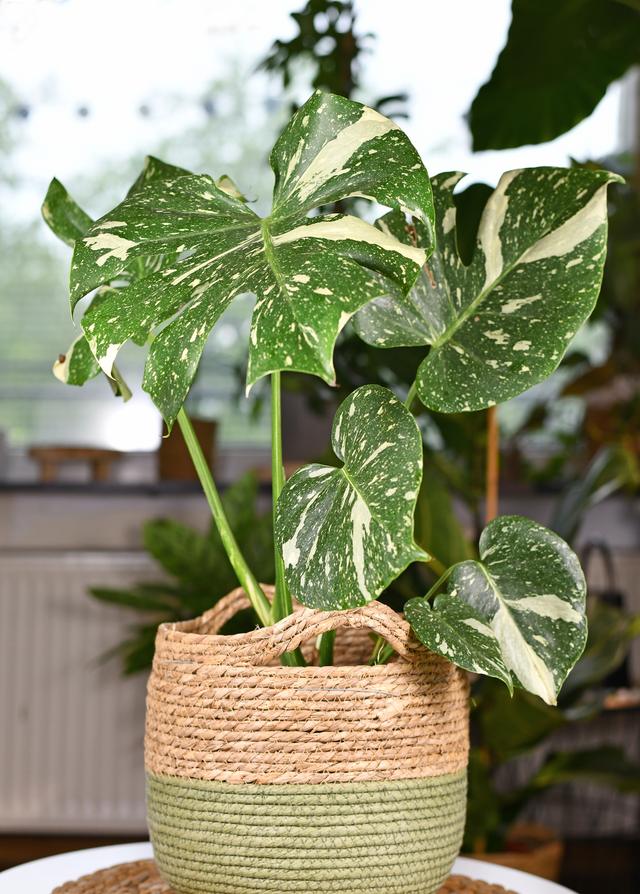
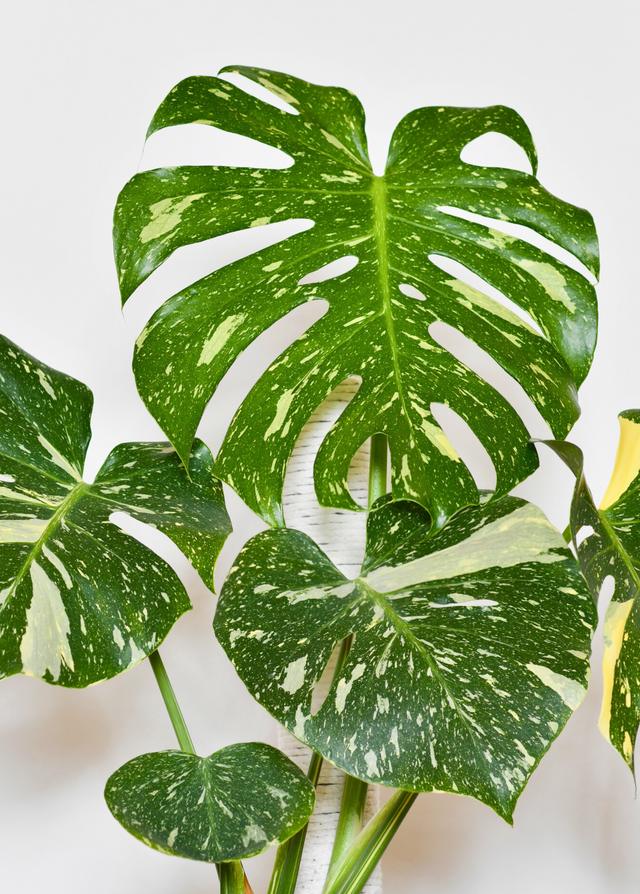
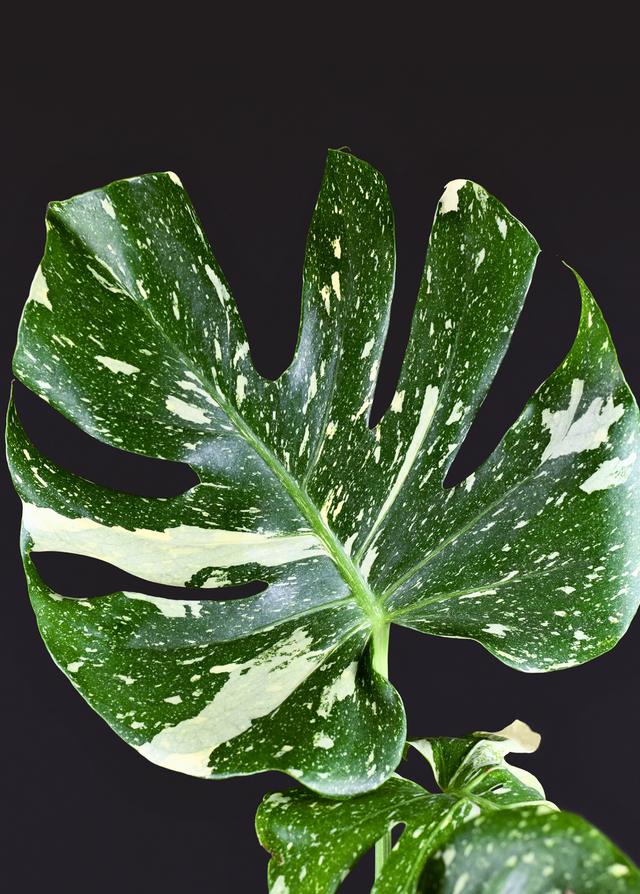
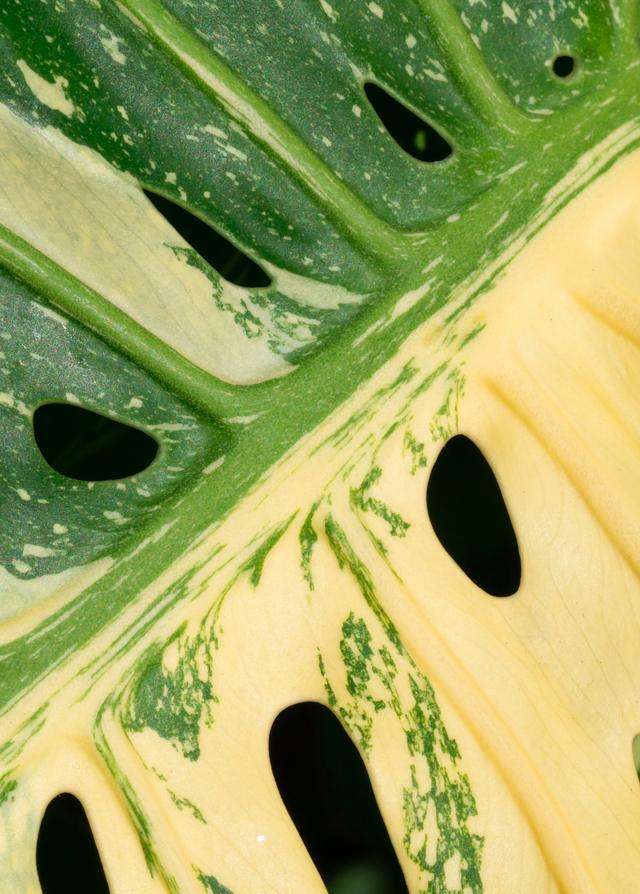
Thai Constellation Monstera (Monstera deliciosa ‘Thai Constellation’) is an extraordinary variegated variety of the classic Monstera , prized for its striking cream and yellow marbled foliage that resembles a starry night sky. Native to tropical rainforests of Central and South America, this highly sought-after plant has been specially cultivated for its stable variegation, making each leaf a unique work of art.
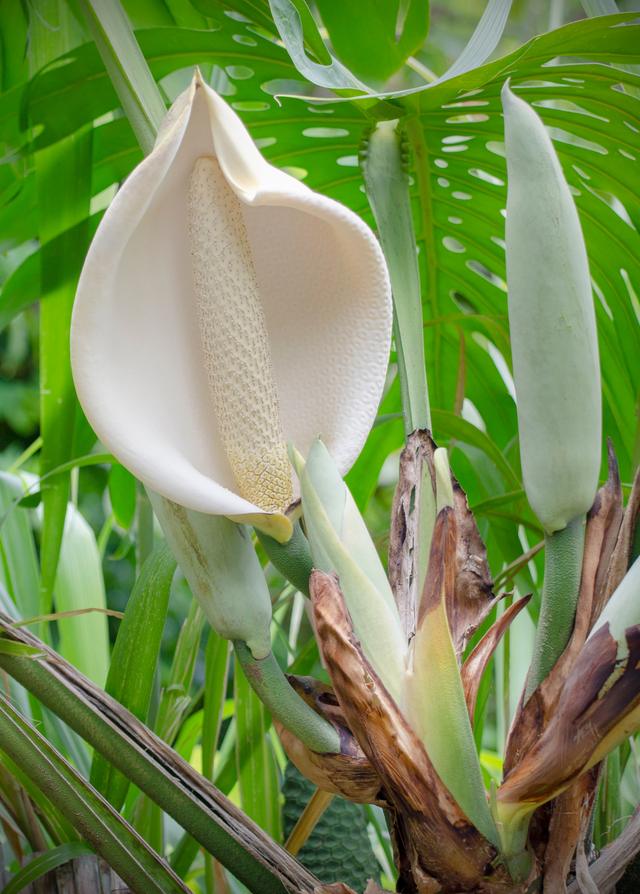
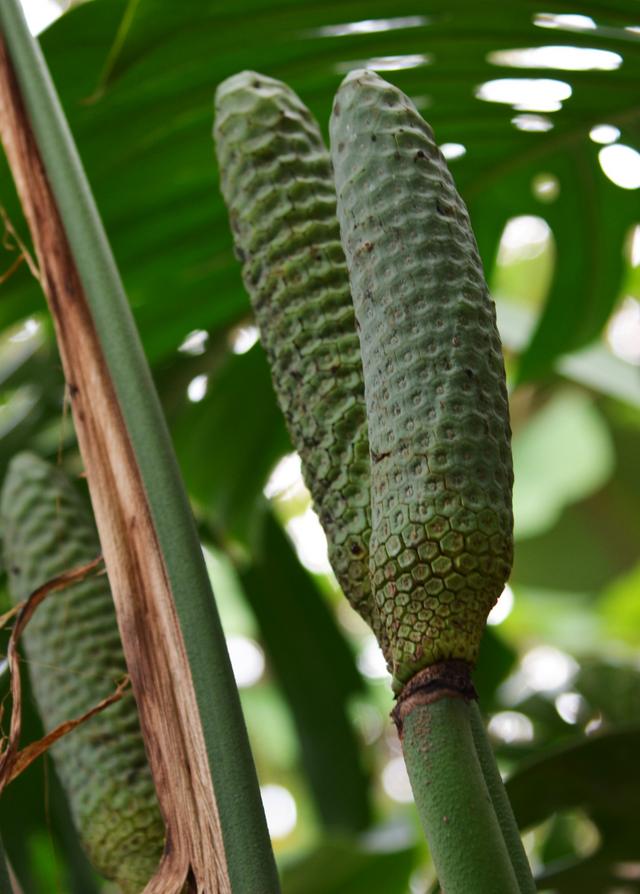
Beyond its breathtaking appearance, Thai Constellation Monstera is also a fruiting plant, producing sweet, tropical-tasting fruit when mature. The fruit, often called Monstera Fruit or Mexican Breadfruit, is packed with flavors reminiscent of banana, pineapple, and mango. It ripens over several months, and only fully mature fruit is safe to eat, as unripe portions contain oxalates that can cause irritation. (More on how to eat below!)
This medium-growing climber thrives in warm, humid environments (Zones 9-11 outdoors) but can also be grown indoors in bright, indirect light with proper humidity. It appreciates well-draining soil, regular watering, and support structures like moss poles to encourage strong, healthy growth. With patience and care, Thai Constellation rewards growers with jaw-dropping variegation and the possibility of rare, delicious homegrown fruit.
A must-have for collectors and tropical plant enthusiasts alike, this Monstera is more than just a houseplant—it’s a living masterpiece.
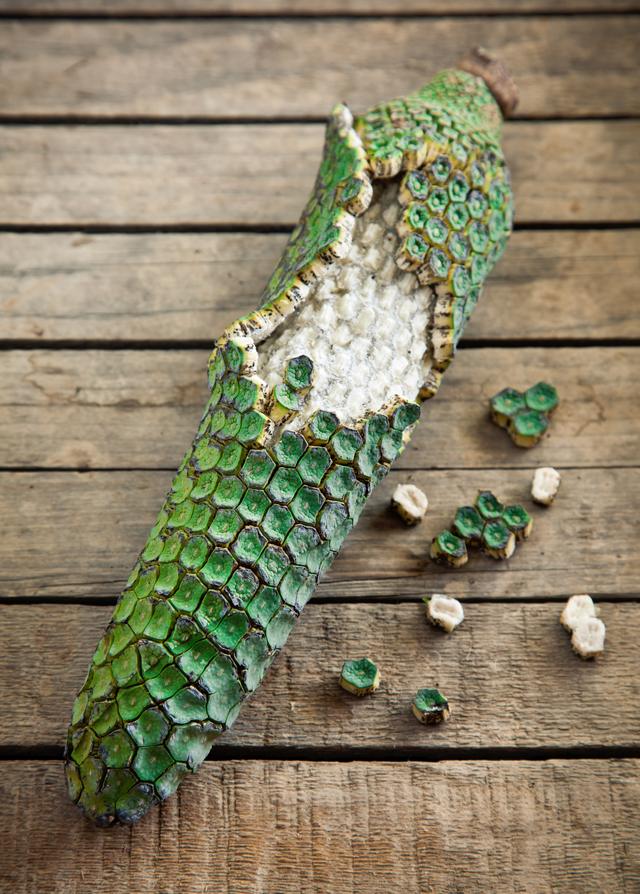
How to Eat Monstera Fruit: Not only does this plant make a statement in your home, it also deserves a worthy spot in your garden, edible landscape or food forest! Monstera produces a rare and delicious fruit that's highly coveted for it's unique tropical flavor. Fruit must be allowed to ripen naturally before eating. Place it upright in a glass for 2-3 days. When ripe, the inedible outer scaly shell will naturally peel away, revealing the soft edible interior flesh.