Cold-Hardy, Sweet-Tart Pomegranate
Common Names: Pomegranate 'Salavatski', Russian Pomegranate Family: Lythraceae Origin: Russia
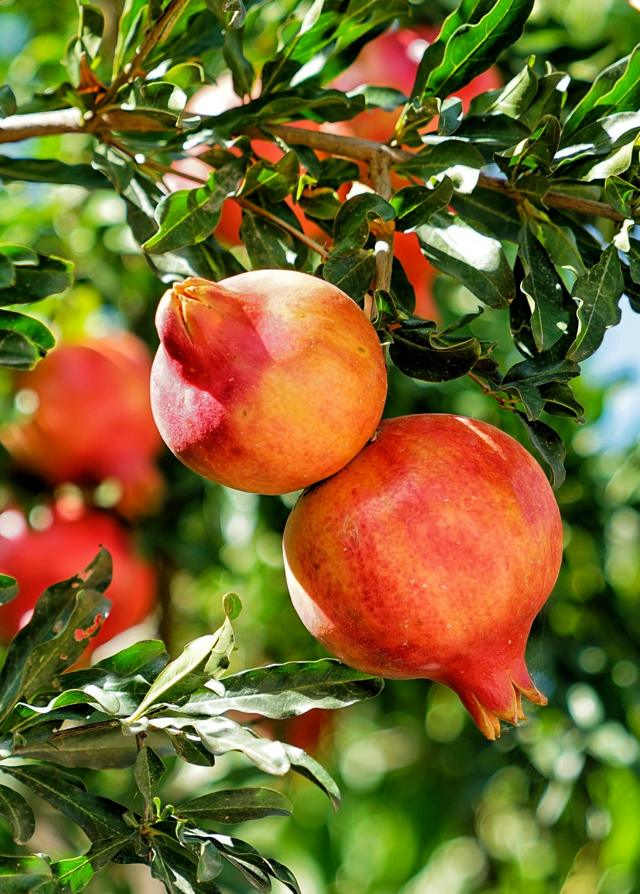
Pomegranate 'Salavatski' (Punica granatum), also known as the Russian Pomegranate, is a cold-hardy variety that produces large, vibrant red fruits with a sweet-tart flavor. Originating from Russia, this variety is known for its ability to withstand cooler temperatures better than most pomegranates, making it an excellent choice for gardeners in USDA zones as low as 6. The 'Salavatski' pomegranate is prized for its large, flavorful arils (seeds) and exceptional resilience in both cold and warm climates. Its fruit is perfect for fresh eating, juicing, or adding to culinary creations, and the tree itself is a beautiful addition to any landscape.
Distinctive Features, Uses, and Nutritional Value
Fruits: The 'Salavatski' pomegranate produces large, red-skinned fruits with bright red arils. The arils have a balanced sweet-tart flavor, making them ideal for both fresh consumption and juicing. Rich in vitamins C and K, antioxidants, and fiber, the fruit is a nutritious addition to a healthy diet.
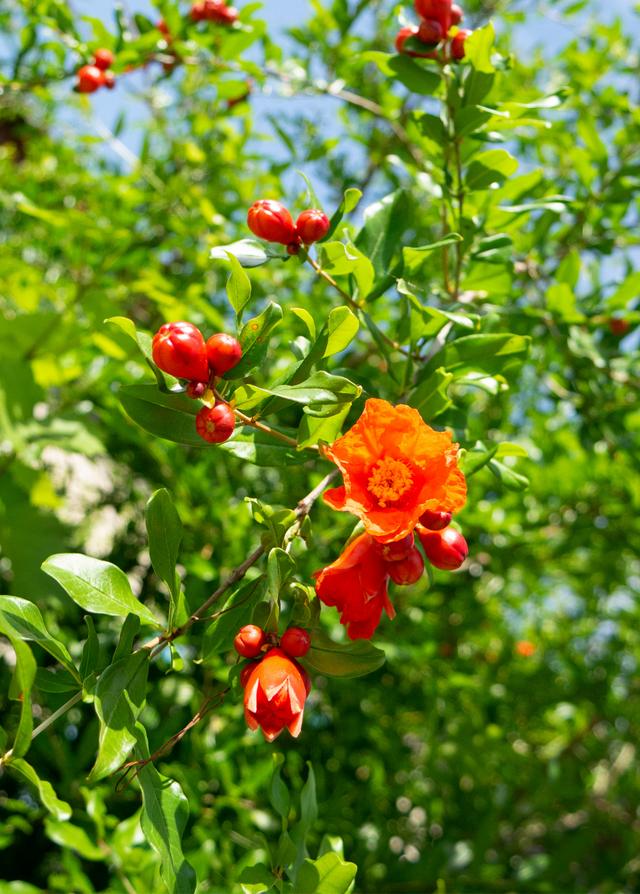
Foliage: The tree has glossy, narrow, lance-shaped green leaves that provide ornamental appeal throughout the growing season. It also produces beautiful red-orange flowers in spring, attracting pollinators and adding vibrant color to the garden.
Growth Habit: 'Salavatski' is a deciduous shrub or small tree that typically grows up to 10-15 feet tall and wide. Its cold-hardiness makes it suitable for a range of climates, from temperate to subtropical regions.
Culinary and Ornamental Uses
The sweet-tart arils of the 'Salavatski' pomegranate are ideal for fresh eating, juicing, or adding to salads, smoothies, and desserts. The juice is often used for making sauces, jams, and even wine. In addition to its culinary uses, the tree is highly ornamental, with its lush green foliage and bright flowers making it a standout in any garden or landscape.